Intro: The Fight Over Citizenship Isn’t New—But This Time Feels Different
We’ve heard a lot of wild promises during election season. Still, this one stands out: President Trump has floated the idea that he wants to explore if he could revoke the citizenship of people who were naturalized—take it away. No court ruling. No due process. Just the stroke of a pen. His supporters have been slowly getting behind the idea.
It’s not the first time someone in power has tried to play fast and loose with the idea of who “deserves” to be an American. But hearing it now, after everything we’ve seen in recent years, it feels like we’ve entered dangerous territory. You must wonder what the reasons are. Loyalty? Patriotism, or just racism with more steps?
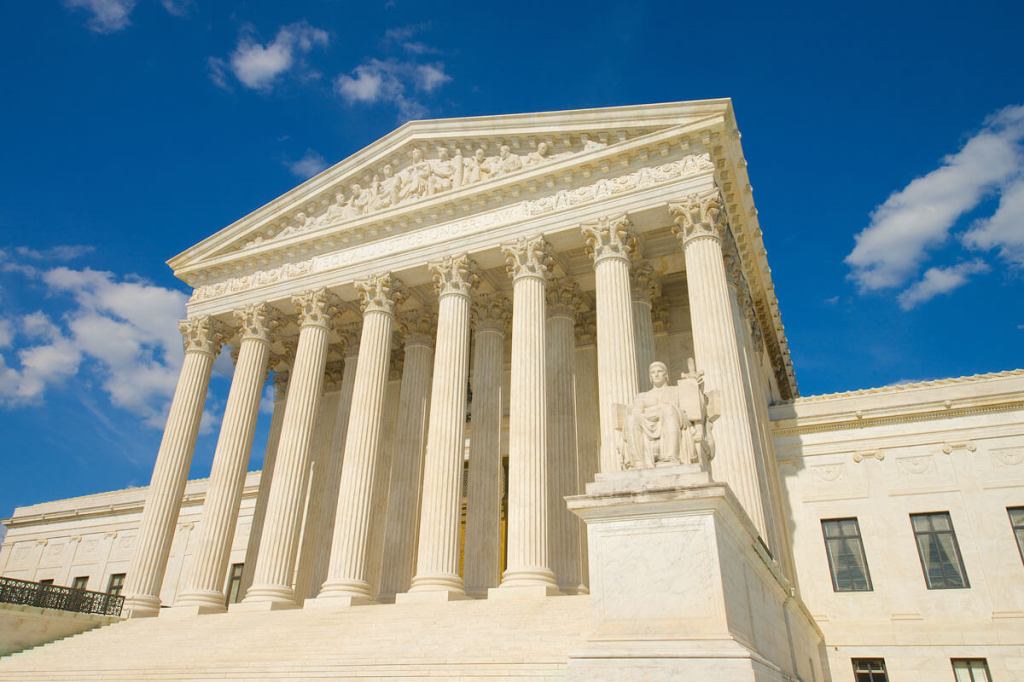
So, let’s take a step back and imagine something different: What would some of the most respected Supreme Court justices—conservative and liberal alike—say about this? How would they respond to a president trying to strip people of their citizenship unilaterally?
Section 1: Even Conservative Justices Knew Authoritarianism When They Saw It
It’s easy to assume that conservative justices would automatically back someone like Trump. But many of them, especially from earlier eras, understood that being “tough” on immigration or crime didn’t mean handing unchecked power to the president.
Take Chief Justice William Rehnquist, for example. No one would ever accuse him of being soft on anything. But even he respected the limits of executive power. He believed in the strength of the Constitution, not just the whims of whoever held office.
Justice Antonin Scalia is another name worth remembering. He was famously conservative and sincerely believed in the power of the presidency—but not when that power ignored the law. Scalia believed in structure, process, and original intent. The idea of a president casually revoking someone’s citizenship would have offended the very legal order he spent his life defending.
Even Justice Sandra Day O’Connor, the first woman on the Court and a true believer in balance and moderation, wouldn’t have stood for this overreach. She once said the Constitution “does not tolerate the abuse of power by government officials.” It’s hard to imagine she’d find anything constitutional in a president revoking someone’s citizenship because they were born elsewhere.
Section 2: The Liberal Justices Would Have Seen the Red Flags a Mile Away
For the Court’s more liberal justices, this would be a constitutional and moral crisis.
Justice Thurgood Marshall, who argued Brown v. Board of Education before joining the Court, spent his life fighting for civil rights. He deeply understood what citizenship meant—especially for people who had to fight to be seen as fully American. To him, citizenship was more than paperwork. It was a promise. In his view, taking that away on a political whim would betray everything the Constitution stands for.
Justice John Paul Stevens, known for his thoughtfulness and independence, might have written one of those carefully worded but devastating dissents, reminding us that “national security” or “law and order” don’t justify ignoring people’s fundamental rights.
Justice David Souter, often quiet and reserved, would’ve seen right through the smokescreen. He believed deeply in protecting individual liberty from government overreach. He’d probably remind us that when someone in power starts talking about who’s “real” and who’s “not,” we’re heading into very dark waters.
These justices didn’t always agree with each other. But when it came to protecting the rights of individuals, especially the most vulnerable, they showed up. They asked tough questions. They didn’t back down.
Section 3: What Would the Current Court Do? It’s Not So Clear-Cut
So, what about the justices sitting on the Court right now?
It’s tempting to assume they’d go along with Trump. After all, it’s a 6–3 conservative majority. But the reality might be more complicated.
Justices Clarence Thomas and Samuel Alito have long histories of siding with strong executive power, especially when national security or immigration is involved. They might support a president’s efforts to tighten naturalization rules—but even they might hesitate at outright stripping someone of their citizenship without due process. That’s a line the Court has generally been careful not to cross.
Chief Justice John Roberts is a bit of a wild card. He’s profoundly conservative but also greatly cares about the Court’s reputation. He doesn’t want it seen as just another political arm of the presidency. In the past, like in the 2019 census case, he’s shown he’s willing to push back when a president goes too far.
Justice Neil Gorsuch has occasionally sided with liberal justices on matters of individual rights. He tends to have a libertarian streak, which means he might not be okay with the government having unchecked power to revoke something as essential as citizenship.
Justices Brett Kavanaugh and Amy Coney Barrett align more closely with traditional conservative legal thinking. They believe in interpreting the law as written—but that could work both ways. If the Constitution doesn’t give the president the power to revoke citizenship, they might not back him either.
Ultimately, a policy like Trump’s would probably split the Court. Some justices might go along with it. But others—Roberts, maybe Gorsuch—might surprise us and say, “No, this isn’t what the Constitution allows.”
Conclusion: We’ve Seen This Movie Before—and the Court Usually Knows How It Ends
This isn’t the first time fear and power have threatened the promise of American citizenship.
During World War II, we locked up Japanese Americans because we let fear win. During McCarthyism, we ruined lives over accusations with no proof. And every time, the Supreme Court has had a chance to stand up or stay silent.
The best justices—on both sides of the political spectrum—have always understood that citizenship isn’t a tool for control. It’s a status rooted in law, earned through commitment, and protected by the Constitution.
If Trump tries to go down this road again, it’s not just a legal question. It’s a moral one. And the Court—if it remembers its best self—will know what to do.



 Throughtful Reader
Leave a comment