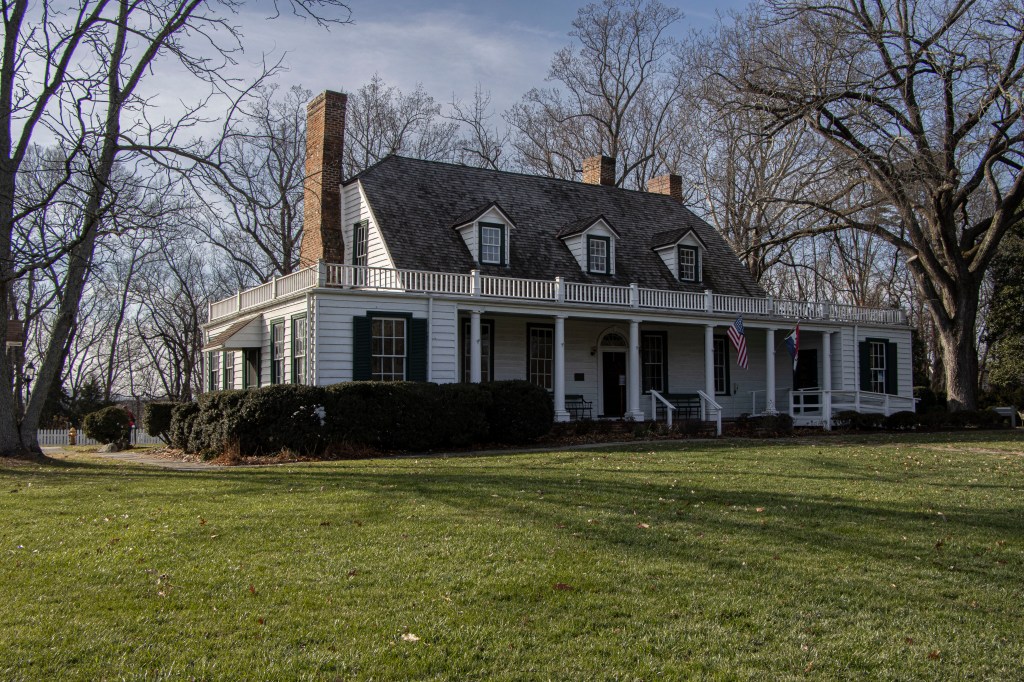
The Rich History of Rippon Historic Lodge
Nestled in the charming landscapes of Prince William County, Virginia, Rippon Lodge stands as a testament to centuries of history, heritage, and architecture. As one of the oldest houses in the county, this historic gem has witnessed the evolution of a nation, the shifting tides of social and economic change, and countless stories of the families who called it home.
The Early Years
Rippon Lodge traces its origins back to 1725, when Richard Blackburn, an English immigrant, constructed the home. Blackburn, a prosperous tobacco planter and merchant, strategically positioned the lodge near the Potomac River, ensuring easy access to water routes for trading his goods. The house, built with a blend of stone and timber, showcased the colonial architectural style of the time and stood as a symbol of wealth and influence in the growing region.
The property originally spanned over 21,000 acres and was a bustling hub of agricultural activity, primarily focused on tobacco. The name “Rippon” is believed to have been inspired by Ripon, a cathedral city in North Yorkshire, England, reflecting Blackburn’s English heritage.
The Blackburn Family Legacy
The Blackburn family was instrumental in shaping the early history of Prince William County. Richard Blackburn’s son, Colonel Thomas Blackburn, inherited Rippon Lodge after his father’s death. Thomas was an ardent supporter of the American Revolution, serving as a colonel in the Virginia militia and forging close ties with George Washington. His leadership during the Revolutionary War further cemented the Blackburn family’s legacy in the region.
Thomas Blackburn expanded the lodge and maintained its prominence as a working plantation. However, like many plantations of the era, its prosperity was tied to the labor of enslaved individuals. The history of Rippon Lodge is incomplete without acknowledging the contributions and sacrifices of those who were forced to work the land under unjust conditions.
A Century of Change
Rippon Lodge changed hands multiple times throughout the 19th and early 20th centuries. During this period, the estate’s fortunes waxed and waned, reflecting the broader economic and social changes in Virginia and the United States. As tobacco farming declined and industrialization reshaped the economy, Rippon Lodge gradually transitioned from an agricultural estate to a residential property.
In the early 1900s, the lodge was purchased by Wade Ellis, a wealthy attorney, and later by Judge Wade H. Ellis, a prominent political figure. Ellis renovated the house extensively, preserving its historical charm while modernizing it to suit contemporary living standards.
Preservation and Public Access
In 2000, Prince William County acquired Rippon Lodge, ensuring its preservation for future generations. The county embarked on a meticulous restoration project, uncovering original architectural features and piecing together the lodge’s layered history. Today, Rippon Lodge stands as a historic site open to the public, offering guided tours, educational programs, and community events.
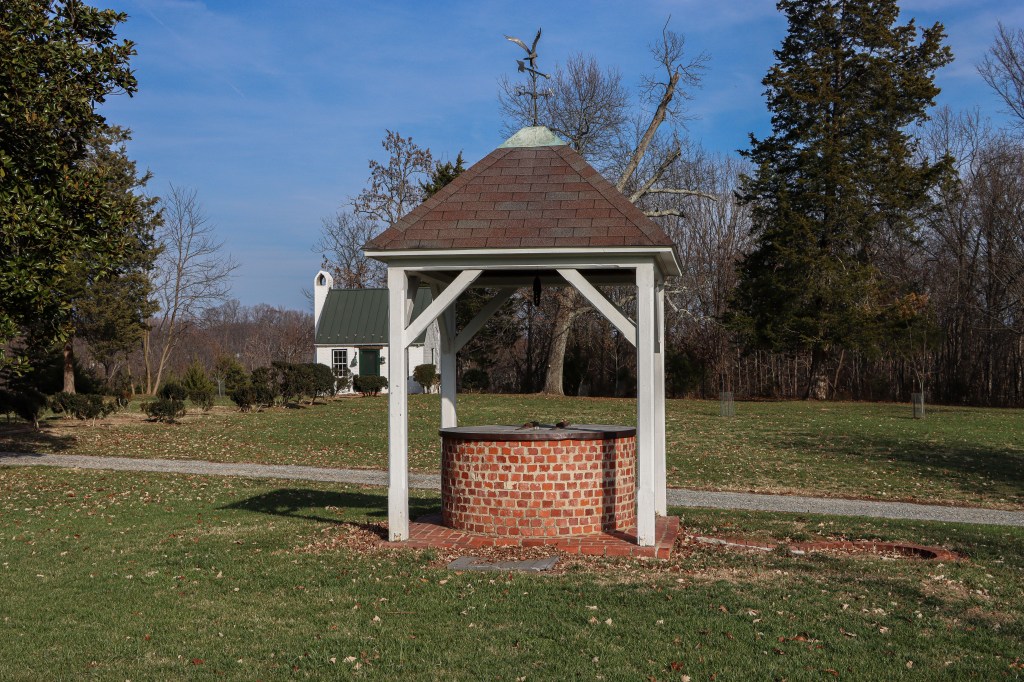
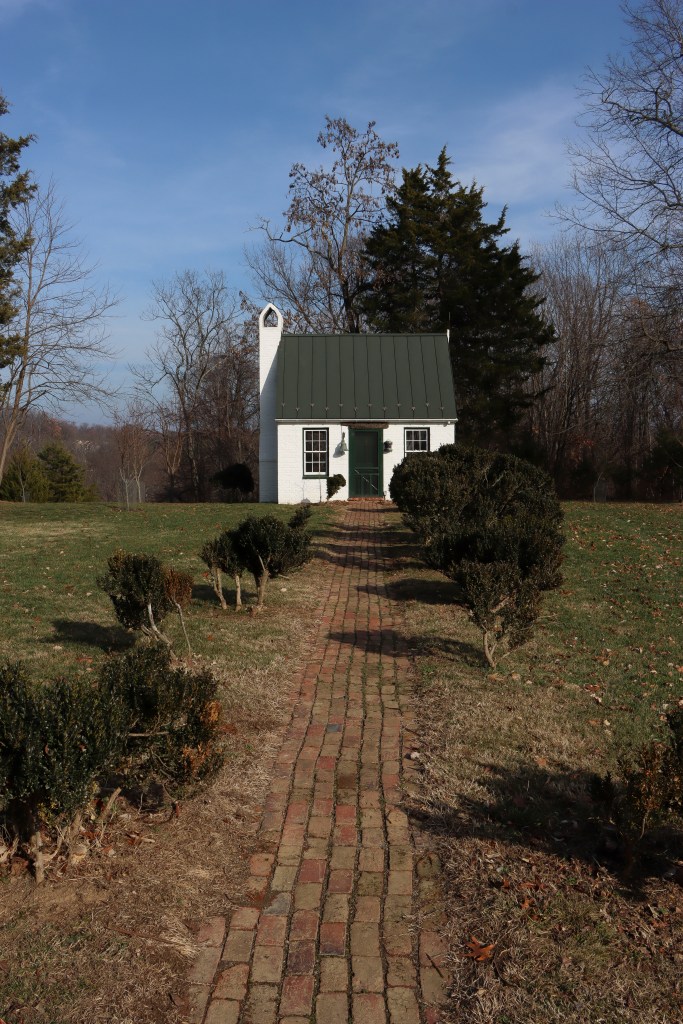
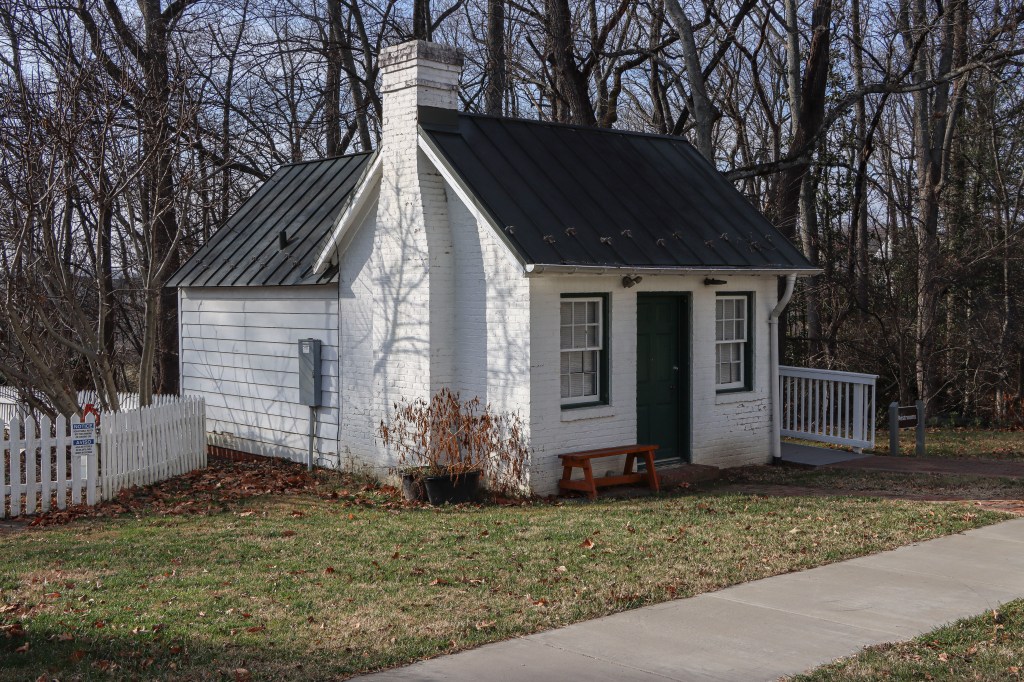
Visitors can explore the beautifully restored house, wander through the lush gardens, and enjoy breathtaking views of the Potomac River. The surrounding grounds, which include a cemetery, walking trails, and interpretive signage, provide a glimpse into the lives of those who lived and worked at Rippon Lodge over the centuries.
Rippon Historic Lodge is more than just a building; it is a living history book that tells the story of Virginia’s colonial past, its role in the American Revolution, and its transformation over time. Whether you’re a history enthusiast, an architecture admirer, or simply someone seeking a peaceful retreat steeped in heritage, Rippon Lodge offers an unforgettable journey into the past.
Plan your visit to Rippon Lodge today and step into a world where history comes alive!



 Throughtful Reader
Leave a comment