Inflation is defined as the decline in the purchasing power of a given currency over time. A quantitative estimate of the rate at which the decline in purchasing power occurs can be reflected in the increase period. The rise in the general level of prices, often expressed as a percentage, means that a unit of currency effectively buys less than it did in prior periods.” The source’s link is at the bottom
Inflation is covered by 5 takeaways that determine what is the cause
- Inflation is the rate at which the value of a currency is falling and, consequently, the general level of prices for goods and services is rising.
- Inflation is sometimes classified into three types: Demand-Pull inflation, Cost-Push inflation, and Built-In inflation.
- The most commonly used inflation indexes are the Consumer Price Index (CPI) and the Wholesale Price Index (WPI).
- Inflation can be viewed positively or negatively depending on the individual viewpoint and rate of change.
- Those with tangible assets, such as property or commodities, may prefer some inflation, as it raises the value of their assets.
We have been lucky up to this point in not having to deal with it. That doesn’t mean it hasn’t been free-riding the entire time. One particular time when Inflation was an issue was in the 70s, and it is something that I suggest people study up on. It can help educate on what is going on today because there are some parallels I feel.
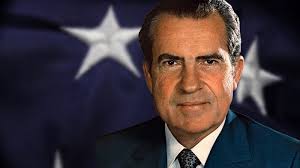
When Pres. Nixon came into office in 1969, and one issue that was beginning to grab attention was inflation. At the time, the country was in Vietnam, and there was the expansion of Lyndon Johnson’s “The Great Society” policies. These two pivotal issues contributed to the early signs of inflation. Additionally, another factor was the Fed’s attempt at monetary tightening (raising interest rates), which has, most times, caused economic recessions and, in fact, did cause a brief recession in 1969-1970.
Nixon attempted to address Inflation around 1971 when it rose to 5.84%. His first policy to address the issue was in 197, actually, when he signed Executive Order 11615,5, which would impose a 90-day freeze on wages and prices to counter inflation. It was the first time since World War II that such a measure had been taken.
These 3 items are what I mentioned that were executed by Nixon on Aug 13th, 1971
- Nixon directed Treasury Secretary Connally to suspend, with certain exceptions, the convertibility of the dollar into gold or other reserve assets, ordering the gold window to be closed such that foreign governments could no longer exchange their dollars for gold.
- Nixon issued Executive Order 11615 (pursuant to the Economic Stabilization Act of 1970), imposing a 90-day freeze on wages and prices in order to counter inflation. This was the first time the U.S. government had enacted wage and price controls since World War II.
- An import surcharge of 10 percent was set to ensure that American products would not be at a disadvantage because of the expected fluctuation in exchange rates
As for the Gold standard and Bretton Woods system, I will address this in much greater detail at a later date. Currently, I would like to explain inflation.
Below is Nixon’s speech on the items above in his address to the nation in 1971
Initially, it seemed like Nixon had succeeded. The stock market made a 33-point jump the following days, and the New York Times editorial even credited the President with, “We unhesitatingly applaud the boldness with which the President has moved.”
However, it would be short-lived, as inflation would continue to rise, and by 1973, it had reached 6.22% and would skyrocket to 11.4% by 1974%. It would also create a period known as “Stagflation.”. Meaning low economic growth, and high unemployment. Other factors would hamper Nixon: budget tightening, the energy crisis, and, of course, Watergate, which would sink his Presidency.
Skipping Ford’s administration, since his only notable action was a pin that said “WHIP” (Whip Inflation Now), it would be inherited by Jimmy Carter.
Carter would not be able to do much either as he or his administration realized that it would only be fixed at the Fed Chair. To do that, Carter would need to find a person to be able to address it. Arthur Burns, who was Nixon’s pick, would retire in shame. Burns showed a mass of incompetence and unpreparedness for this situation. His successor fared no better. Carter would pick Paul Volker. Volker had been in Washington for several years and had worked with the Nixon Administration during what was later called the “Nixon Shock”. I forgot to mention that earlier. My apologies.
Volker was approved by Congress and would assume the head chairman position. He realized that the best way to address this high inflation would be to raise the interest rates. Rates had been raised before, but not even high enough to address the inflation that it would reach. By 1980 it would reach 13.5%.
To counter it, Volker would raise the interest rate to 11% in 1979 and 20% in 1980. While it would drive inflation down, it would also trigger a brief recession for the incoming Reagan administration. Inflation would drop to 10% in 1981, and then even lower to 3.21% by 1983
This brings us to today. While the country and the world are suffering a somewhat supply chain issue. We are also suffering from the need to continue printing money, which can contribute to inflation. Our massive government spending and ending of the stimuluses are also main contributing factors to our dilemma.
While Fed Chairman Jerome Powell is planning on raising the interest rates, which is basically 0 at this point. While it may seem great, the levels he wants to raise it to may have no effect on the inflation number at all. The fear is that if he raises it very high, it will cause a recession. That may be true, but it may also help in the long term for Americans who are going to suffer more during this inflation issue. The question still remains. Will the Fed chairman actually do what is necessary, or just puss out?
Below, I have links and additional sources if you care to read. Any feedback is welcome. Nothing like learning something new every day.
Sources
https://www.federalreservehistory.org/essays/gold-convertibility-ends
https://www.pbs.org/wgbh/commandingheights/shared/minitextlo/ess_nixongold.html
https://www.wsj.com/articles/SB10001424053111904007304576494073418802358
https://www.cato.org/commentary/remembering-nixons-wage-price-controls
https://www.cnbc.com/select/where-to-put-your-money-during-inflation-surge/



 Throughtful Reader
Leave a comment