• The Federal Reserve was created to provide oversight for an economic system that has been long neglected. I still stand by that but will elaborate why the system in place works out.

     The Federal Reserve system is a “Central Banking system of the US”. (Chen) The FED was created to serve 5 pivotal functions. They are there to conduct, (monetary policy, regulate the banks, monitor, and protect the credit rights of the consumer, maintain stability of the financial system, and provide financial services to the US Government.) (Chen) It also has serves 3 primary purposes, (Maximum employment, stable prices, and longtime interest rates) (Chen) It is the overseer of the US economy.  The Panel that provides oversight is a Central board appointed by the President (an example is Jerome Powell who was appointed by Pres. Trump and then reappointed by Pres. Biden). The Chairman oversees the central board that consists of 12 regional banks. (Foner)

     Before this system was brought in, the US had formed centralized national banks that were controlled by eastern banking powers. (Chen2) The banks were unreliable and took over, by issuing their own currency backed by gold. (Chen2)

     The US attempted to remedy this by passing the “National Banking Act” in 1863. It would allow charted banks nationally to provide a standardized currency backed the United States. (Chen2) However, despite these attempts, oversight was still lacking in the overall financial institutions.

      With the crashes of 1893 and 1907 accompanied by the bailout provided by JP Morgan, it was apparent that new replacement would be much needed. In 1912 Pres. Wilson asked the House committee on Banking and Finance to offer a new solution to the banking issues. (Chen2) Committee laid the groundwork with what we have now today. It would also add theFederal Trade Commission in 1914. This would also aid the FED in its situations. (Foner) The FTC was created to target, investigate, and prohibit business activities, such as “Price gouging”, and monopolistic practices”. (Foner)

      These two important processes gave the country the ability to control its own market while protecting the best interests of the consumers. It was a historical moment as for that, there was really no true oversight on how the economy, or banks were operating.

    With that said there some moments where the FED failed to do what was created to do and I will cover those.

    When the Stock Market crashed in 1929 it would the trigger that set moments into motion that would later become the “Great Depression. “The FED in this case could have stepped in and perhaps committed more to stopping this. When the banking system began to collapse, the money supply fell and began to deflate. (FRH) The deflation would cause debts to increase and make it harder to pay. (FRH) What the Fed could have done was to an expansion of the monetary base, but it failed to do so for several reasons. (FRH) It was an unprecedented event, but it wasn’t entirely based off of ignorance. The FED was still growing and evolving in its role, and perhaps didn’t have the necessary tools that they do today to have acted sooner. However, some in the Fed felt that defending the “Gold Standard” was the most important thing and opted to raise interest rates and reduce the supply of money instead of helping the banks. (FRH) When did attempt to expand the money supply by 1931 the expansion was minute and unable to counter the depression. (FRH) I think the FED’s inactiveness was a bigger factor than anything Hoover could have done.

    Another moment that the FED failed was during the 1970’s during what was referred to as “Stagflation“. The actual period of this inflation I am discussing actually was much longer period (1965 to 1982). (FRH2) During this time President Johnson’s Great Society program brought about major spending programs across a broad array of social initiatives at a time when the US fiscal situation was already being strained by the Vietnam War. (FRH2) The FED would attempt what was called an “even keel” approach this the monetary imbalance it was encountering by not changing policy and maintaining low interest rate. (FRH2) To make matters worse as the 70s began the economy would be hammered by the energy crises in Oct 1973 and the second one in 1979. (FRH2) While the Fed couldn’t control the oil market, the rise in the unemployment was something that the FED could control. The Fed attempted to do this by accommodating large and rising fiscal imbalances and leaned against the headwinds produced by energy costs. These policies accelerated the expansion of the money supply and raised overall prices without reducing unemployment. (FRH2) The FED sadly wouldn’t be able to address this until 1981.

    By the Summer of 1980 Inflation had reached 14.5% and unemployment had reached 7.5%. (FRH2) New FED Chairman Paul Volcker attempted a Hail Mary to pull the country out of its inflation issue. What Volcker would do was to raise the interest rate in an attempt to slow spending and the economy essentially to force inflation downward. He wouldn’t be the first to do it, but his rises exceeded where his predecessors had gone. He would raise the interest rates 20% which would trigger the recession that lasted from 1981-82. Inflation would begin to drop and would reach 5% by the end of the recession. (FRH). While it was successful, it still raised questions as to why his predecessors were unable to accomplish this sooner. Unfortunately, there were several reasons, and it became clear that political influence was the biggest one.

    FRH2 The Great Inflation | Federal Reserve History

    FRH The Great Depression | Federal Reserve History

    Foner Foner, E., DuVal, K., & McGirr, L. (2023a). Give me liberty! An American history (7th ed., Vol. 2). W.W. Norton and Company.

     Justin Chen https://www.investopedia.com/terms/f/federalreservesystem.asp
     Justin Chen2   https://www.investopedia.com/terms/f/1913-federal-reserve-act.asp#:~:text=What%20Is%20the%201913%20Federal,bank%20to%20oversee%20monetary%20policy

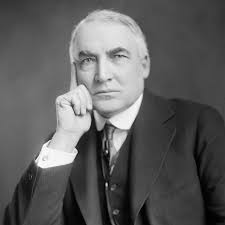
  • History doesn’t discuss his administration much. He was the 29th President of the United States (1921-23) and died of a heart attack while office. With that said there has been debate over what kind of President was he. To be fair it was a mix of some good, but horrendously bad. In Blog I will go over some of it.

    Picture of Harding while in Office

    Harding came into office during the Post World War I period. The country was demobilizing and were also going through a period of economic depression. “The “Forgotten Depression” as it was called resulted in a 31% decrease in industrial production, and joblessness rose between 2 and 6 million out of a 35 million work force at this time. (1) To combat this the Interest rates were raised, and the budget was reduced to a balanced one. It would last 18 months the economy would bounce back into an expansion for the decade. (1)

    The administration would then sign off on the first budget system for the federal government. This would be significant as it for the first time gave the Congress and President a clearer view on where the money was going on. (2) The president also freed Eugene V. Debs from prison. Debs, a Socialist was charged with a violating the Espionage Act for giving antiwar speech and was left in prison by the Wilson Administration. (4) This was one of the first steps that the Government began to reverse from its World War I policies of suppressing speech and other civil liberties. (4) Despite these few accomplishments the Administration began to show major internal problems. A clear lack of overtight hampered the Harding Administration, but to understand how we need to go over those scandals and with Harding himself. I will offer some insights into his administration and into his personal life.

    To understand the administration, you need to understand the time that they were living in. The 1920’s was the start of a business and economic boom. The country had grown tired of the Progressivism from the Wilson years and wanted things to return some kind of normalcy. Cue Harding’s campaign in 1920.

    Harding came into office on the promise of a “Return to Normalcy”. (4) His two years in office were anything but. To start his cabinet was highly corrupt. Except for two of his cabinet picks, (Charles Evan Hughes for Secretary of State, and Herbert Hoover for Secretary of Commerce). (4) Harding’s cabinet picks were all outside businessmen and “cronies.” (4) They were also known as the “Ohio Gang” to dure their connections to Harding. (Klein) To start his Attorney General Harry Daugherty was caught accepting payments not to prosecute bootleggers who were in trouble for “trading in illegal alcohol.” (4) His then Secretary of the Interior Albert Fall accepted $500K from private businessmen and was referred to as the “Teapot Dome”. (4) Following that one his head of the Veteran’s Bureau Charles Forbes received kickbacks from the sale of government supplies. (4) A Senate investigation later discovered that Forbes stole nearly $200 mil from the Bureau. (3) While there is little to no evidence that Harding was involved or if he himself benefitted from this. It is rather clear that while he didn’t break the law directly, his complicity in hiring them and not showing any kind of management/executive responsibilities on his part shows a lack of ethics.

     While Harding’s management of his cabinet showed a massive lack of oversight. His own moral compass was also spinning like a magnet was broken. His personal life was anything but quiet. It seems the President had a very active libido.

    Harding came into office on the promise of a “Return to Normalcy”. (4) His two years in office were anything but. To start his cabinet was highly corrupt. Except for two of his cabinet picks, (Charles Evan Hughes for Secretary of State, and Herbert Hoover for Secretary of Commerce). (4) Harding’s cabinet picks were all outside businessmen and “cronies.” (4) They were also known as the “Ohio Gang” to dure their connections to Harding. (3) To start his Attorney General Harry Daugherty was caught accepting payments not to prosecute bootleggers who were in trouble for “trading in illegal alcohol.” (4) His then Secretary of the Interior Albert Fall accepted $500K from private businessmen and was referred to as the “Teapot Dome”. (4) Following that one his head of the Veteran’s Bureau Charles Forbes received kickbacks from the sale of government supplies. (4) A Senate investigation later discovered that Forbes stole nearly $200 mil from the Bureau. (3) While there is little to no evidence that Harding was involved or if he himself benefitted from this. It is rather clear that while he didn’t break the law directly, his complicity in hiring them and not showing any kind of management/executive responsibilities on his part shows a lack of ethics.

     While Harding’s management of his cabinet showed a massive lack of oversight. His own moral compass was also spinning like a magnet was broken. His personal life was anything but quiet. It seems the President had a very active libido. (3) So active that it would also create potential scandals if exposed. According to historians Harding had 7 mistresses throughout his political life. (3) In fact, Harding even justified it to one of his mistresses in a 1913 letter telling them his marriage was “It is merely existence, necessary for appearance’s sake.” (3) In 1927 a book written by Ban Britton called “The President’s Daughter” that she had secretly had his child names Elizabeth while he was a Senator in Ohio. (3) While Harding never met his daughter apparently, he did acknowledge the child’s existence. He would have monthly child support payments hand delivered by Secret Service Agents. (3DNA test through Elizabeth’s grandchildren and Harding’s remaining descendants would prove that Harding was the father. (3)

     As I stated before. I don’t think that Harding was a criminal, but I do feel that he was corrupted in every human aspect that we could present. He was a product of that time. The awareness of his actions and lack of shame about doing really show how corrupted his moral compass was.

    So active that it would also create potential scandals if exposed. According to historians Harding had 7 mistresses throughout his political life. (3) In fact, Harding even justified it to one of his mistresses in a 1913 letter telling them his marriage was “It is merely existence, necessary for appearance’s sake.” (3) In 1927 a book written by Ban Britton called “The President’s Daughter” that she had secretly had his child names Elizabeth while he was a Senator in Ohio. (3) While Harding never met his daughter apparently, he did acknowledge the child’s existence. He would have monthly child support payments hand delivered by Secret Service Agents. (3DNA test through Elizabeth’s grandchildren and Harding’s remaining descendants would prove that Harding was the father. (3)

     As I stated before. I don’t think that Harding was a criminal, but I do feel that he was corrupted in every human aspect that we could present. He was a product of that time. The awareness of his actions and lack of shame about doing really show how corrupted his moral compass was.

    1 The Forgotten Depression 1921: The Crash That Cured Itself | Manhattan Institute

    2 Warren G. Harding | Facts, Accomplishments, & Biography | Britannica

    3 The Multiple Scandals of President Warren G. Harding (history.com)

    4 Foner, Eric, et al. Give Me Liberty. 7th ed., vol. 2, W. W. Norton and Company, 2022

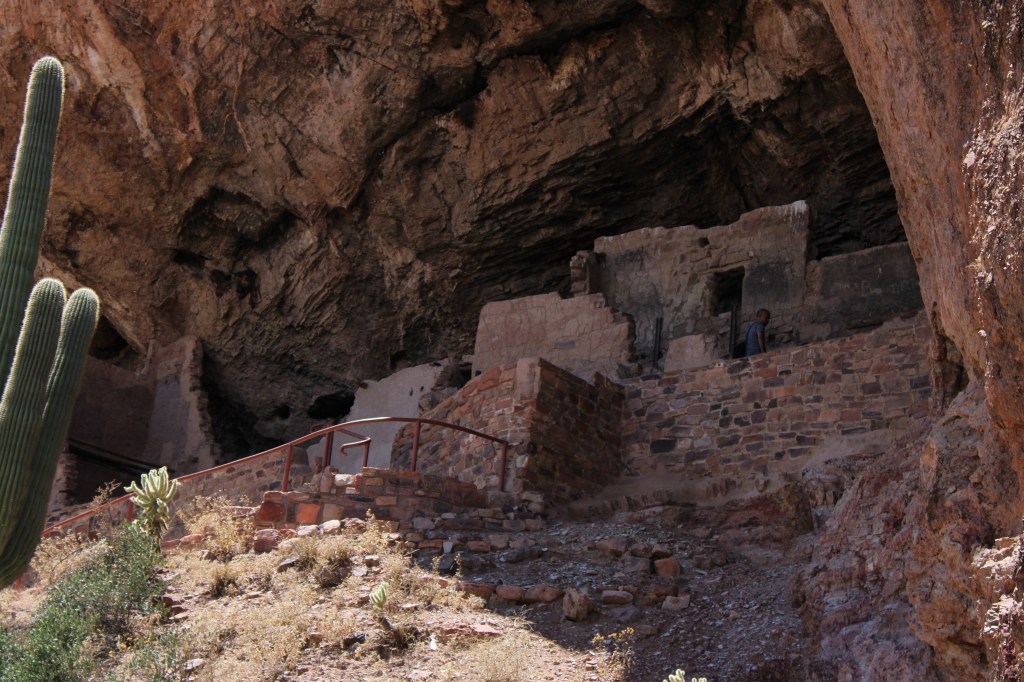
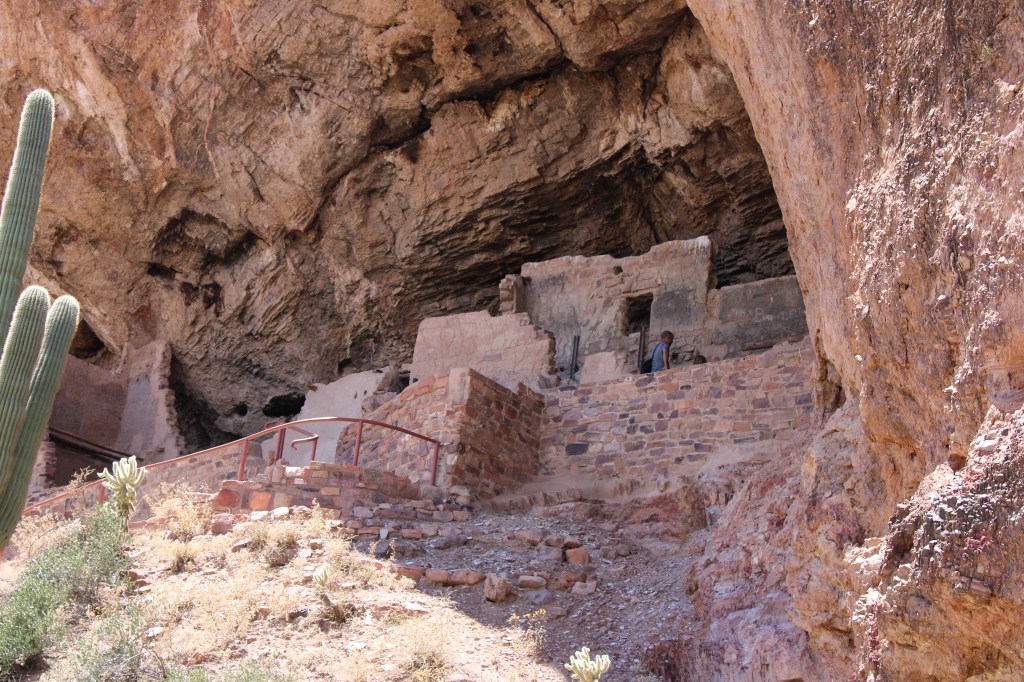
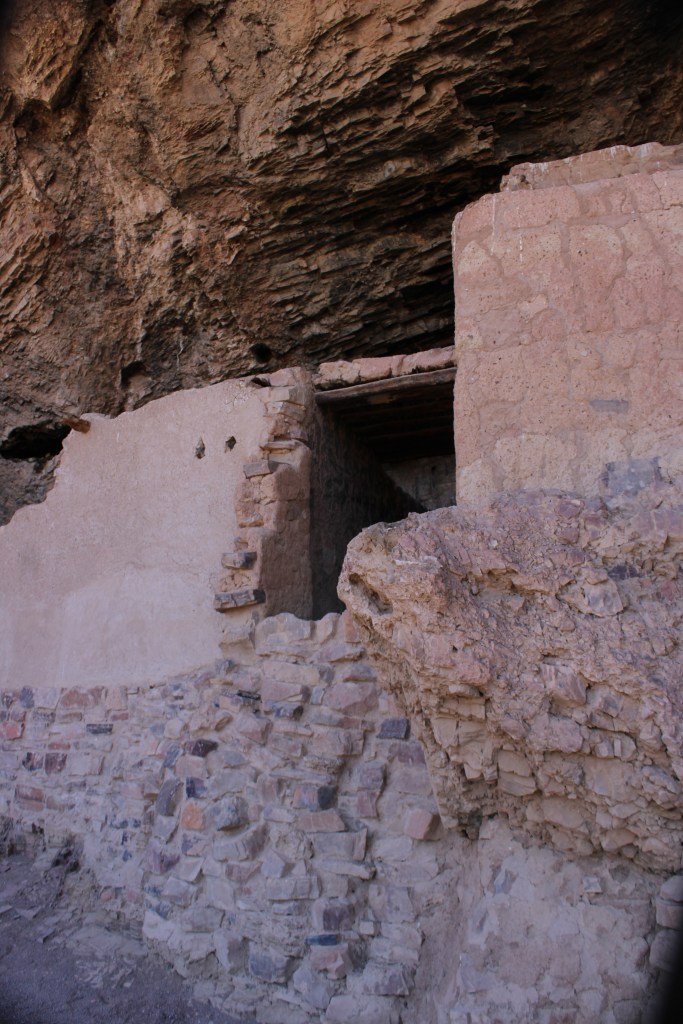
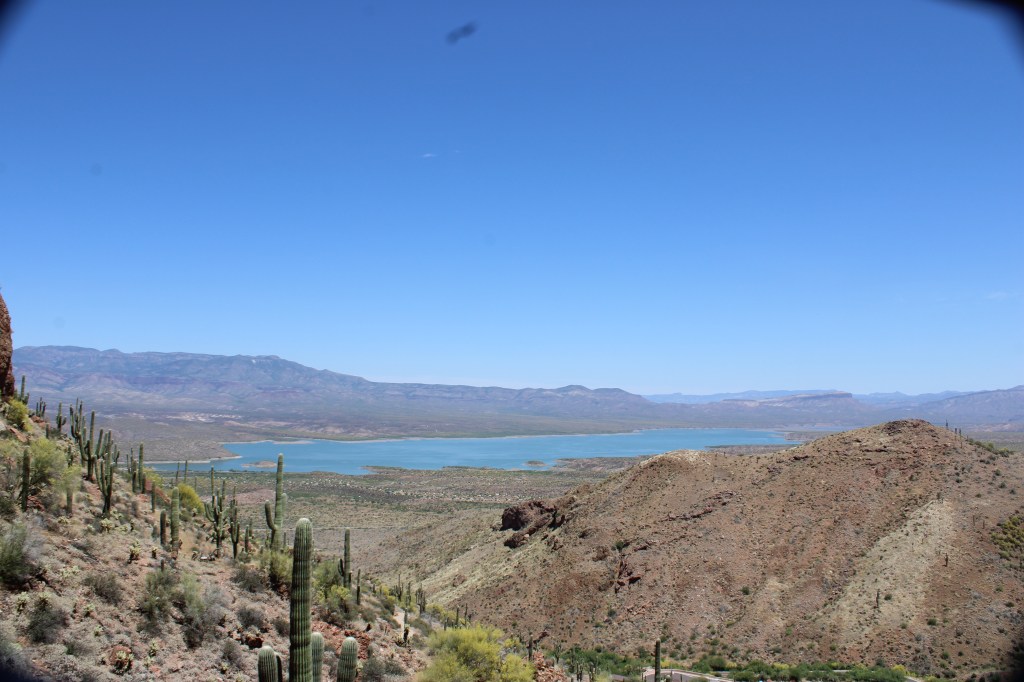
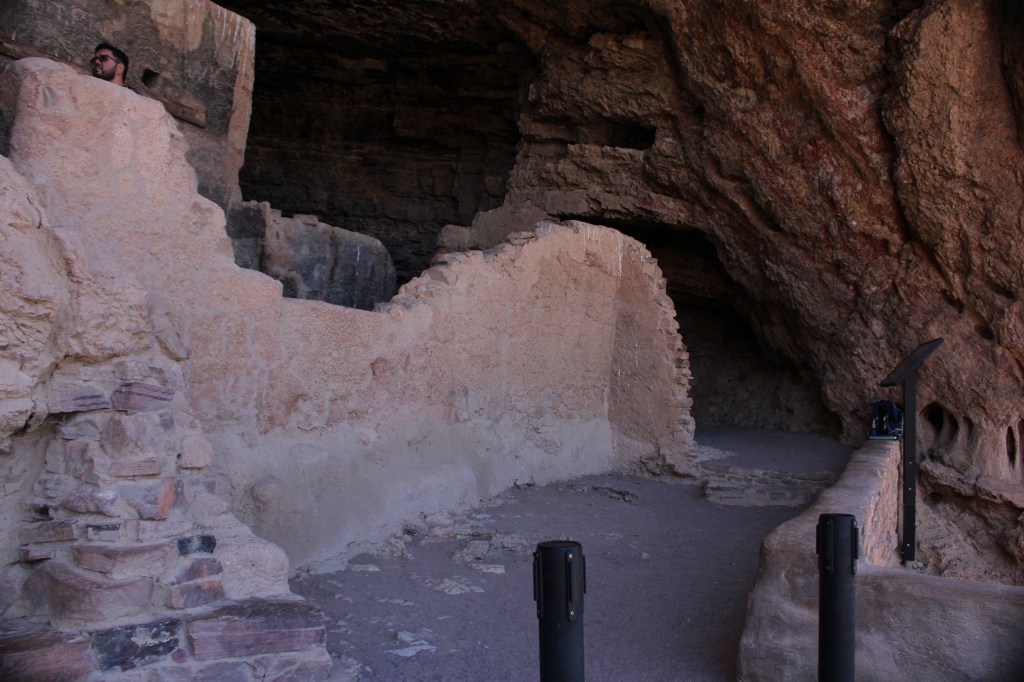
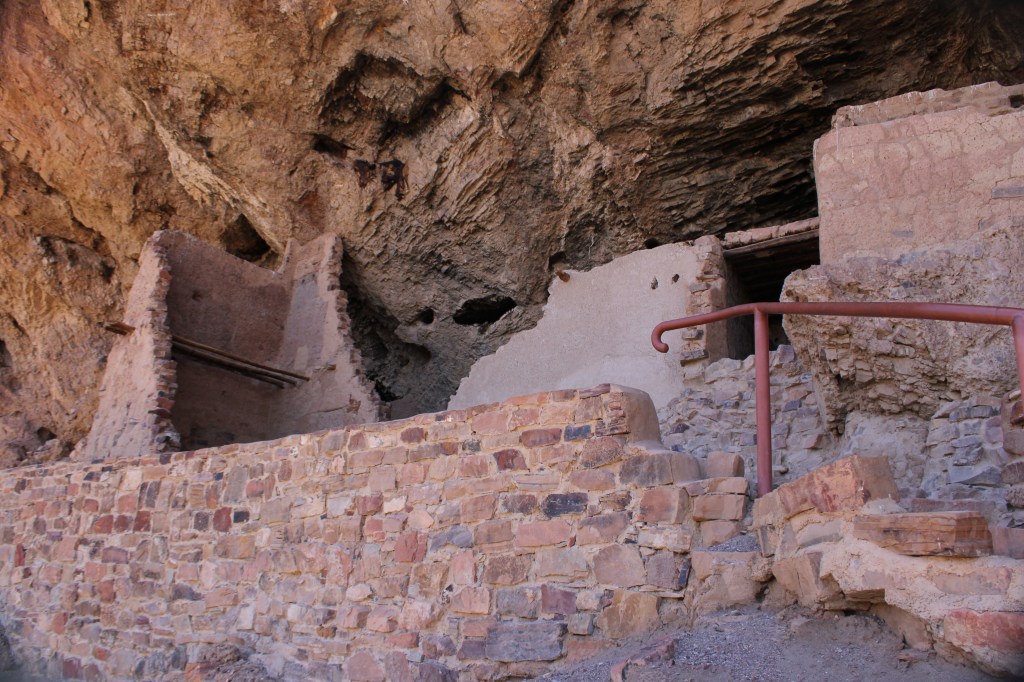
  • Tonto National Monument

    Tonto National Monument Is located in the Superstition Mountains, in Gila County, Arizona.

    During the 13th and 14th Centuries, the Salado cultures farmed out there in the San River Valley. The Salado were excellent craftsman and gardeners

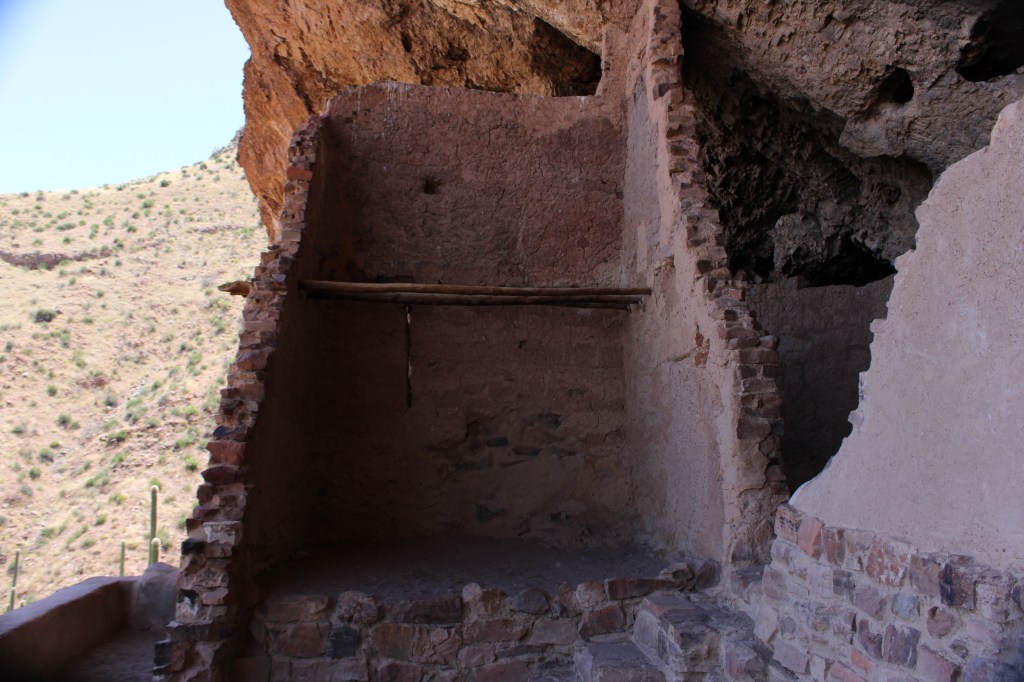
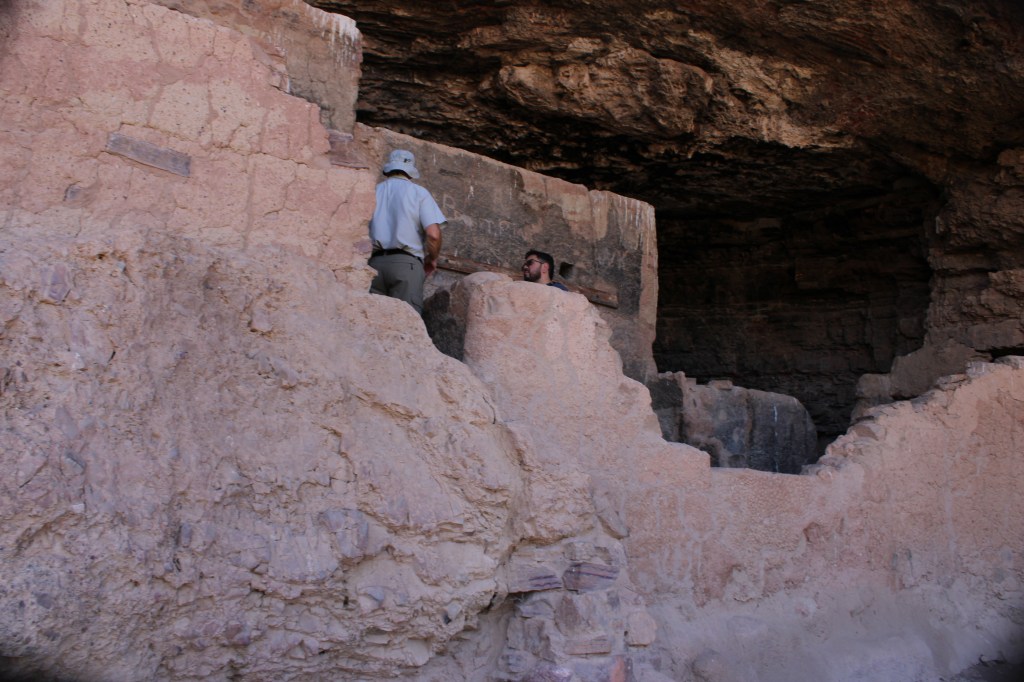
    Like the Montezuma castle built in Sedona by the Sinegua people, Tonto was built on the side of the mountain. A definite piece of archedicture that is still impressive after all these years. However, unlike Montezuma where you can’t enter or walk around. The park here allows full access to this once home to the Salados.

    The park became official on December 19, 1907 and it’s currently governed by the National Park Service. Tonto was also listed in the National Register of Historical Places on October 15, 1966

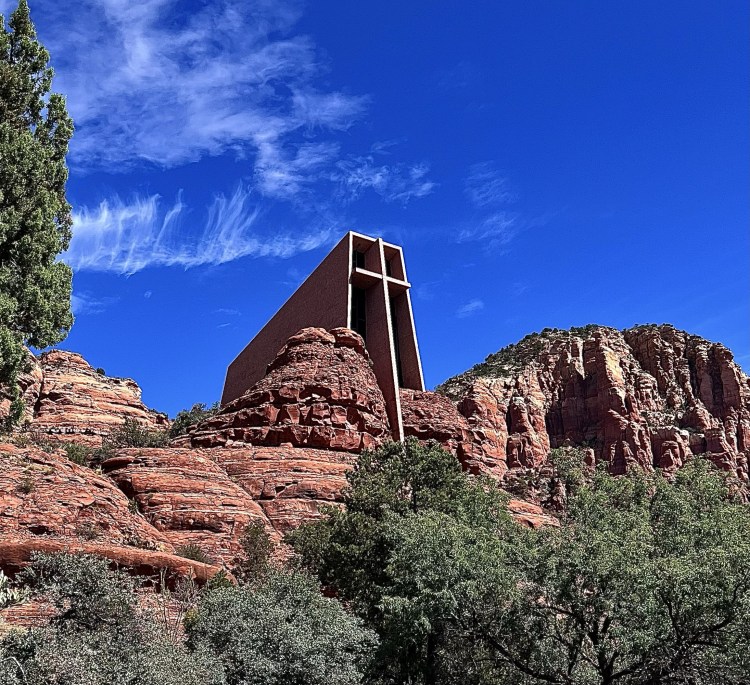
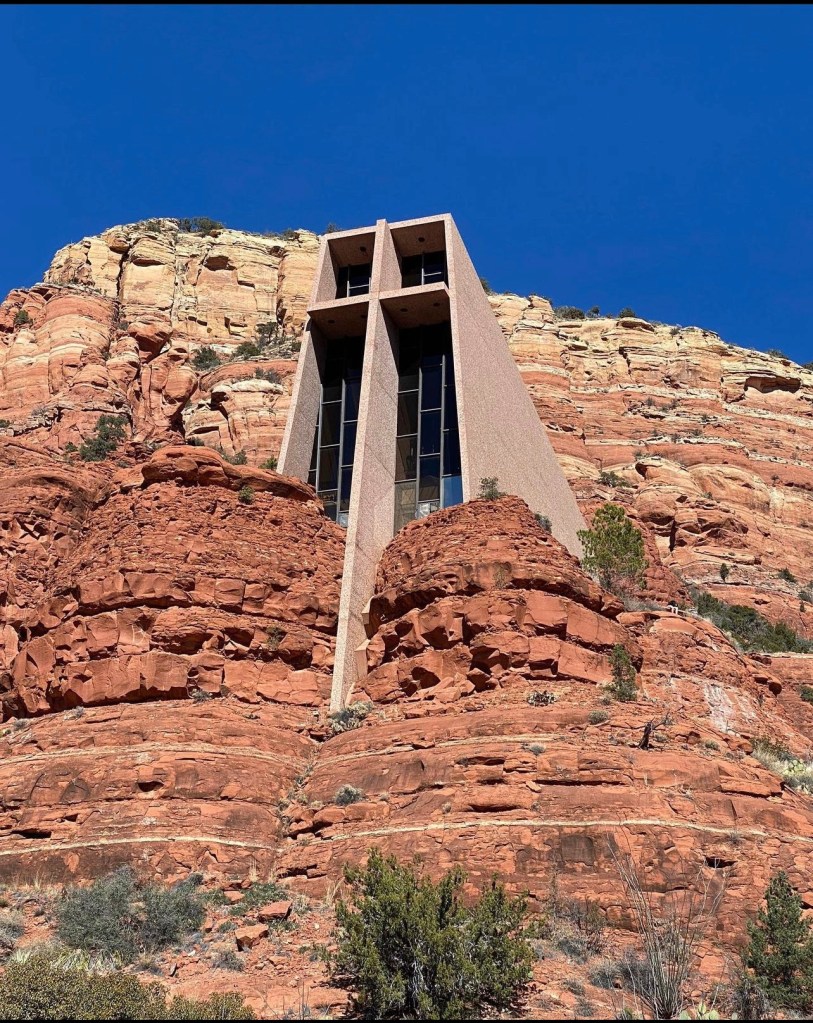
  • Chapel of the Holy Cross was built between 1954-1956. It was inspired and commissioned by a local Sculptor and Rancher named Marguerite Brunswig Staude.

    Staude was inspired to build the church after seeing the newly constructed Empire State Building in New York. When their attempt to have one built in Budapest, Hungary went south due the outbreak of the second World War, it was decided that it would be best to build it in her native state of Arizona.

    The chief designer was August K. Strotz and the project architect was Richard Hein. Both personnel were from the Anshen and Allen Firm. To obtain a permit, they were able to get one through assistance of Senator Barry Goldwater. Construction by the William Simpson Construction Company would take 18 months and at a cost of about $300,000. The chapel was finished in 1956.

    Awarded by the American institute of Architects awarded the Chapel it’s honor in 1957.

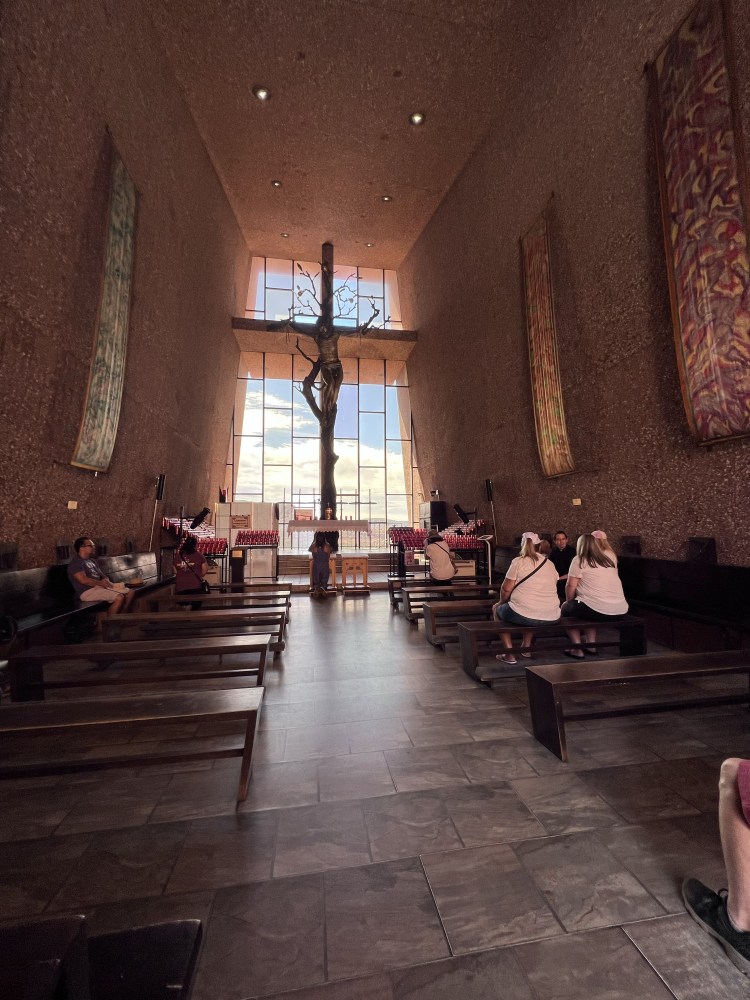
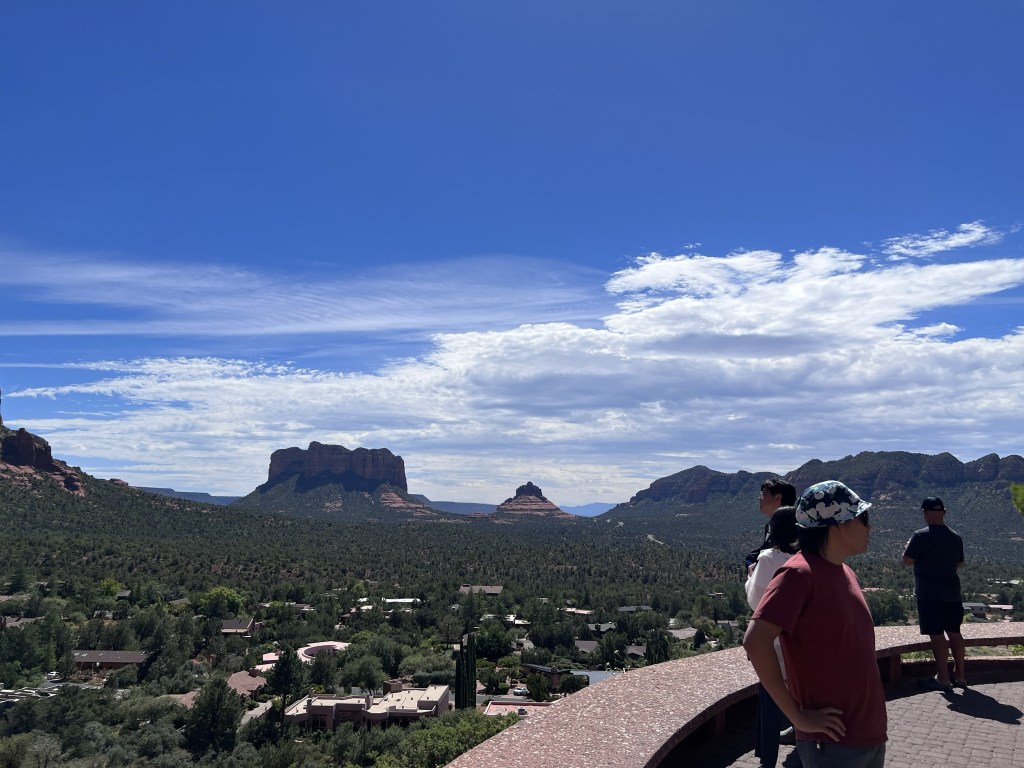
    A beautiful place to see and visit should you ever come to Sedona, Arizona. The views of the valley are amazing, and Church still does services a various time of the week should anyone be interested. The Chapel itself can seat 150 people. The walls of it are constructed with reinforced coarse-aggregate concrete. A thickness of 1 Ft.

    The Chapel of the Holy Cross was added to the National Register of Historic Places in 2011

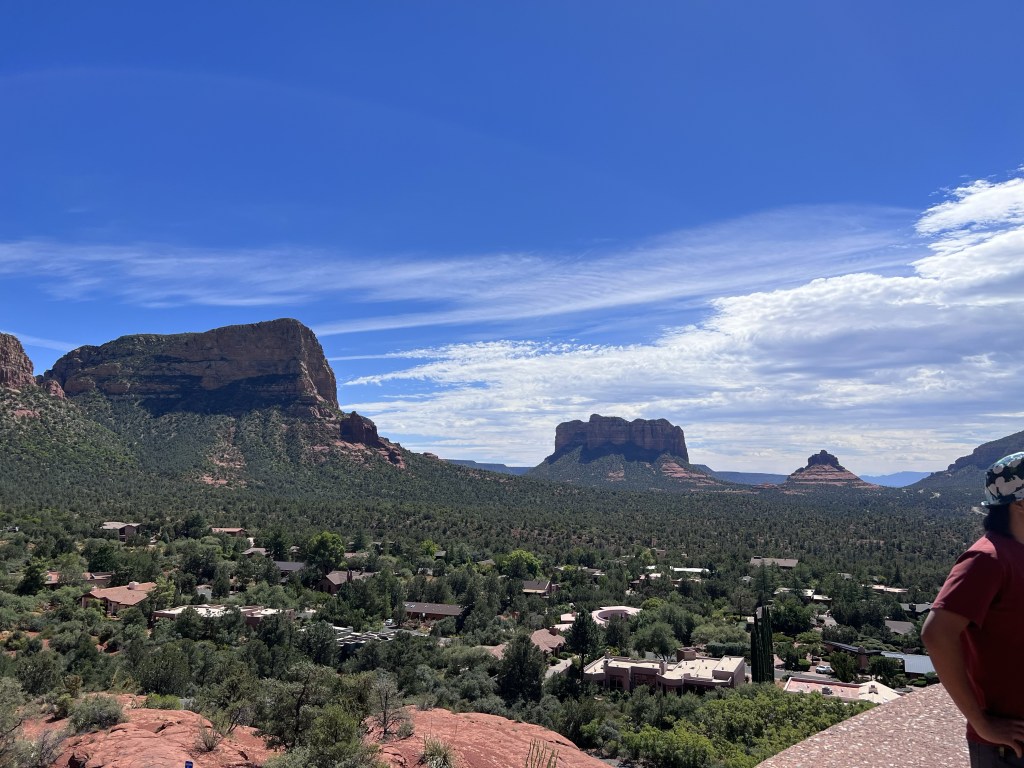
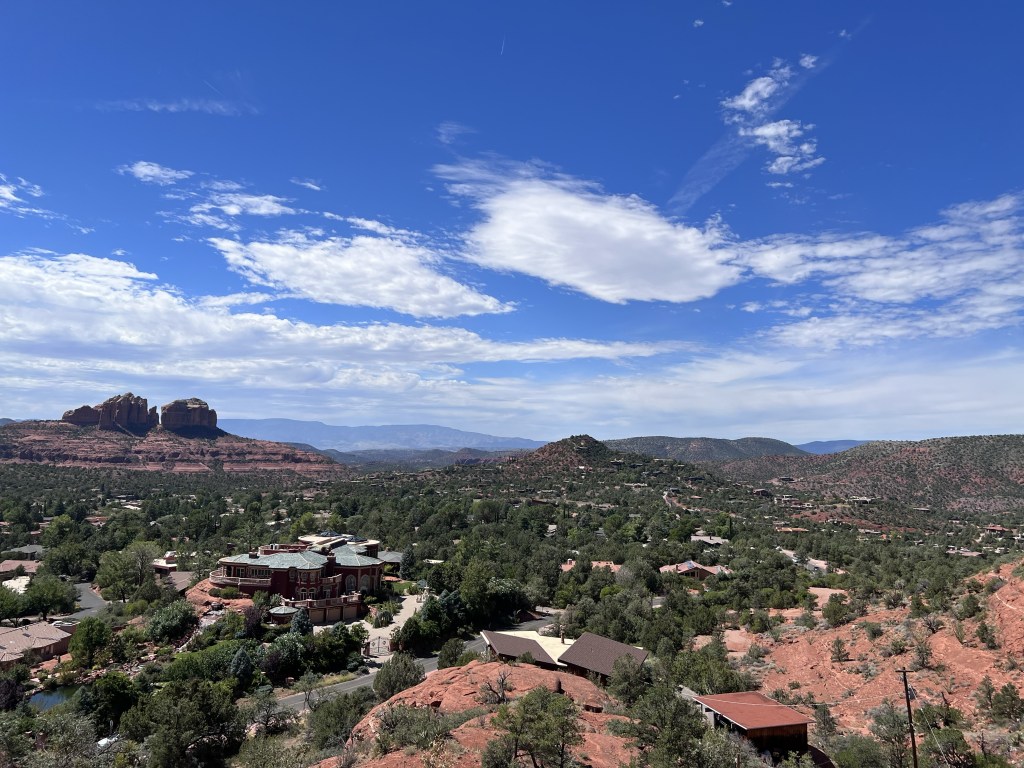
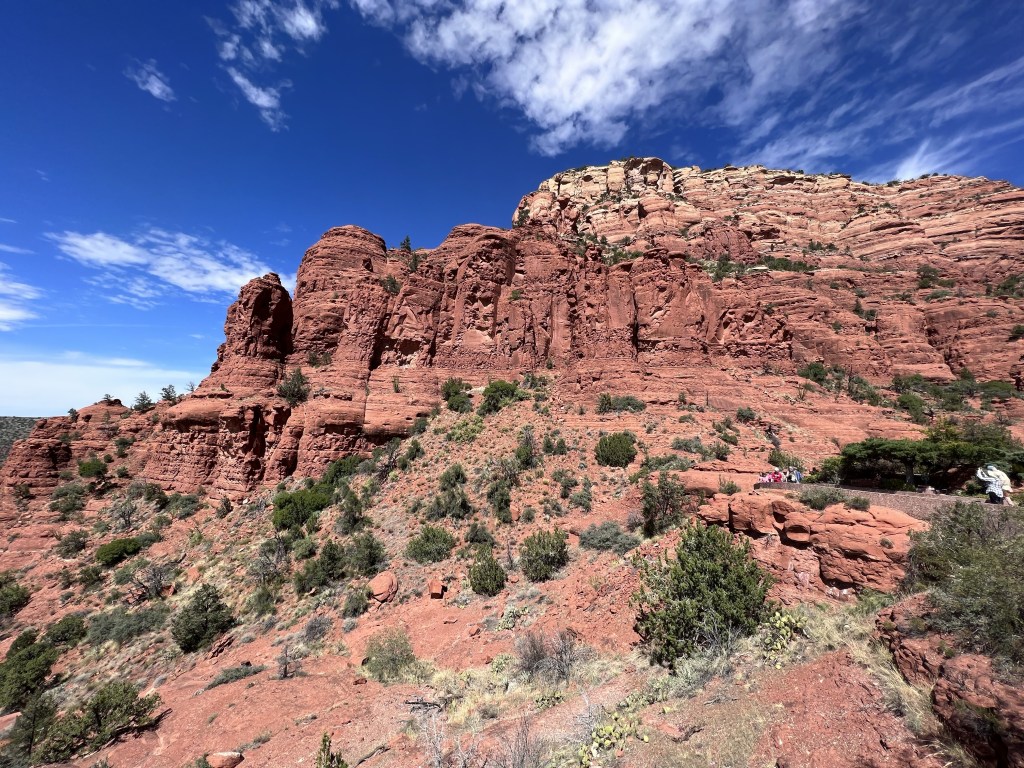
    Some more photos of the area.

  • (By Walter Mosley 288 page)

    Legendary author Walter Mosley brings to us a new character and new mysteries. Mosley who authored several famous books like “Devil in a Blue Dress (which was made into a movie starring Denzel Washington), and the Emily Rawlins book series.

    In this story we are introduced to former NYPD detective Joe King Oliver. Oliver was once a highly decorated detective until, he was called in to arrest a car thief. He would be framed for an assault, and sentenced to the infamous Rikers Island Prision.

    Nearly a decade later, King is released and is attempting to rebuild his life as a private investigator. With the assistance of his daughter Aja-Denise as his secretary, King works his way back to normalcy.

    One day King receives a card in the mail from a woman who admits that she was paid by someone in the NYPD to frame him for a crime he didn’t commit those many years ago. King realizes that this maybe his only chance to clear his name and takes his own case. At the same time that this is going on. King is investigating a case about a black radical journalist named Leonard Compton. He was accused of killing two on-duty police officers who been abusing their badges to help traffic drugs and women into the poorest neighborhoods.

    King’s hands are tied and two lives will be in the balance. Compton’s, and his own.

    The story is short but keeps interested to the very end. We follow King maneuvering around the dark sides of NY while trying to figure out why Compton was framed and handling the day-to-day life as a father trying to rebuild his relationship with his young daughter.

    Moseley keeps the story simple, and to the point. There isn’t much deviation. The transitions between the cases and scenes are smooth. The reader will not be bored reading this book. In fact, they will blow through it real fast and enjoy its sequel, “Every Man a King”, which I will review later.

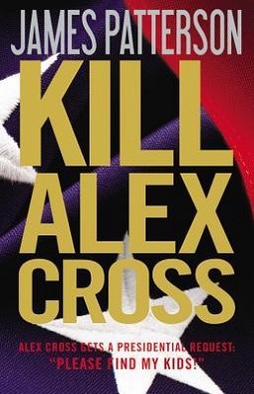
  • By James Patterson (375 Pages)

    James Patterson’d 18th entry into the Alex Cross reminds us that even great authors can get lazy, of that the ideas well can run a little dry.

    The story revolves around Alex Cross being brought in to investigate the kidnapping of the President’s two children (ring any bells?). Cross must figure who, how, and why? Let me give you some clues. The suspect had to be cousin of Gary Soneji, or maybe the suspect had read Patterson’s first Alex Cross book “Along came a Spider”. It even gets acknowledged by Alex himself when he realizes he has been in this exact situation before. Talk about a character going full circle. There issubplot that I feel was a complete waste and was possibly drummed during the time that Americans were still in the post 9/11 fear. It involved a contagion being put in the Washington D.C water supply.

    However, Cross and his long time partner and best friend John Sampson are able to keep the reader around to somewhat enjoy the book. Their interactions are always good, and of course Alex’s Nana continuest to keep our hero in line when needs it. The ending is another story and I will leave it at that.

    James Patterson has written some brilliant Cross novels. “Kiss the Girls’”, “Jack and Jill”, “4 Blind Mice”, and “Big Bad Wolf” are just some examples. Unfortunetly, Patterson misses the mark and really disappointed me with how lazy this story was. It reminded me the sequels to John Grisham’s “A time to kill”. “Sycamore Tree”. and “A time for mercy” we written a decade after and completely deviated off the story and abandoned the continuity. Grisham even acknowledges this at the end of “A time for mercy” apologizing to the reader and admitting he never revisted his first book for continuity purposes.

    I will read the next set of Cross novels, but I sincerely hope that Patterson is able to get back on the right track. I hope that he doesnt fall into complacancy just write books just to have one to release like Grisham. Time will tell

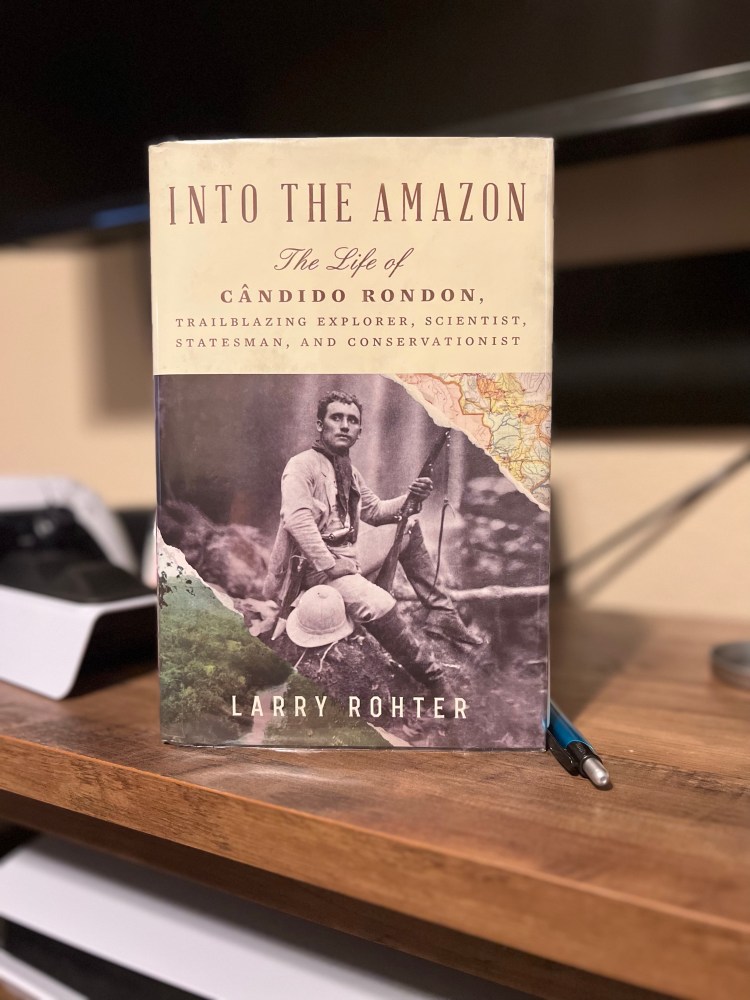
  • By Larry Rother (480 Pages)

    A great novel about a guy I had no idea about.

    This is a story about a man named Candido Rondon. Candido was a Brazilian Military officer, a pacifist, explorer, and a strong advocate for Indigenous Brazilians.

    Born in 1865 in Mimoso, Condon would be raised by his grandparents after his father died of Smallpox in 1864, and his mother dying 2 years after he was born.

    He finished high school at 16 and taught elementary school for 2 years after. He would join the military in and enrolled in the 3rd Regiment of the Horse Artillery. Among his studies while serving was mathematics, Physical and Natural Sciences at the Superior School of War. He would be commissioned as an officer in 1888 as a Second Lieutenant. He was involved in the Coup that would overthrow Pedro II, the Emperor of Brazil.

    In 1890 he would work with the Army engineers there and help create the first telegraph line across the state of Mato Grosso. He would also help in the construction of the road between Rio De Janeiro and Cuiaba, which is the capital of Mato Grosso. He would spend the next 6 years after laying down telegraph lines between Brazil, Peru, and Bolivia.

    In 1914 he asked to help Theodore Roosevelt complete and expedition down the Rio Da Duvida (River of doubt). The trip was successful but came with many hazards and problems. Roosevelt nearly died, the group not even remotely prepared for the humidity, and cases of Malaria that hit the group.

    After his trip with Roosevelt, Condon would complete another expedition mapping the state of Mato Grosso. This time around he would discover more rivers and made contact with several indigenous tribes.

    Between 1924-25 he led Army Forces against rebellions in the state of Sao Paulo. He was in charge of the diplomatic mission to mediate a dispute between Colombia and Peru over the town of Leticia.

    Needless to say his life was productive, and with purpose. He would pass away on 5 May 1955. He was awarded the title of Marshal of the Brazilian Army. Nominated for a Nobel Peace Prize (on the recommendation of Albert Einstein)

    A fascinating book about an incredible man. I highly recommend that if you are interested in South American History, that this is a good book to read and learn a little about it.

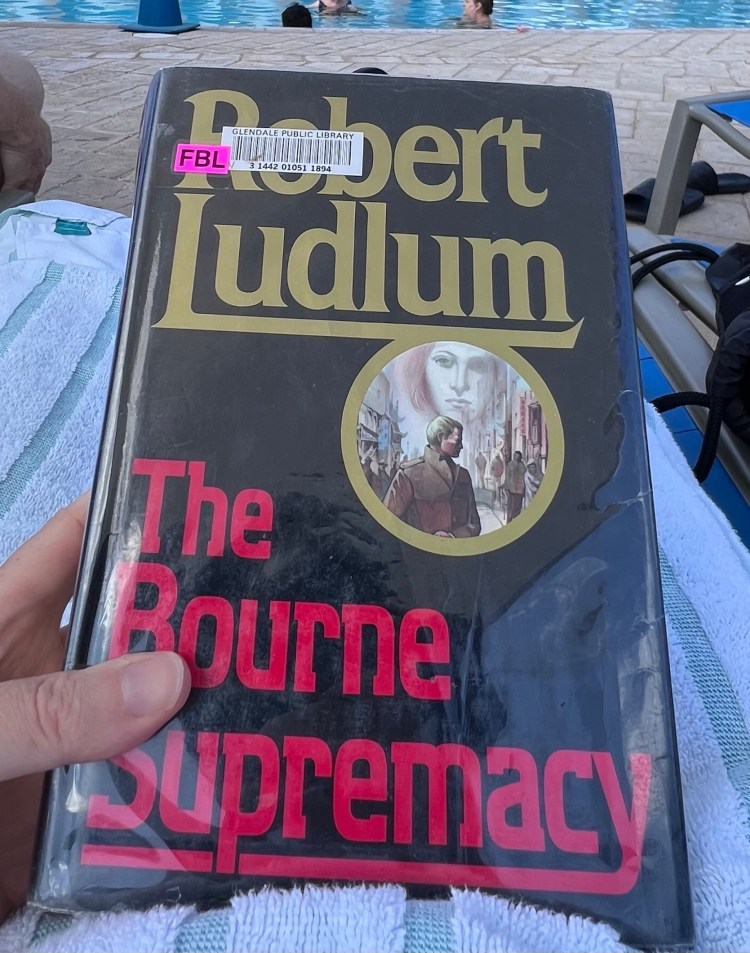
  • By Robert Ludlum (597 Pages)

    Ludlum’s sequel to “The Bourne Identity” is nice follow up but slow moving and requires patience of the reader.

    Jason Bourne or David Webb which is his real name attempts to move on with his life and attempt to recover the memories he lost in his past life. He is married to Marie from the first novel, attends therapy under Morris Panov’s care. Webb is also a teacher of Asian studies at a University in Maine.

    Bourne is dragged back into his past life when someone begins framing him for assassinations Chinese officials and helping to boost a Communist official named Sheng Chou Yang.

    With his life in potential danger and memories of losing his first wife and kids in Vietnam, Bourne must navigate around the violent world he had hope that he had left behind. Will Bourne be able to succeed and walk away for good?

    Ludlum is a brilliant writer but like Tom Clancy he sometimes puts too much information into his novels. To the a deep or active reader it may not be a bad thing, but to a new reader it can really drain your energy. Some chapters are short and others are a little longer than they should be. Also, if you are hoping for any parallels to the movie, I assure you it won’t be found. It seems Hollywood likes taking titles but forgetting the plots that accompany it.

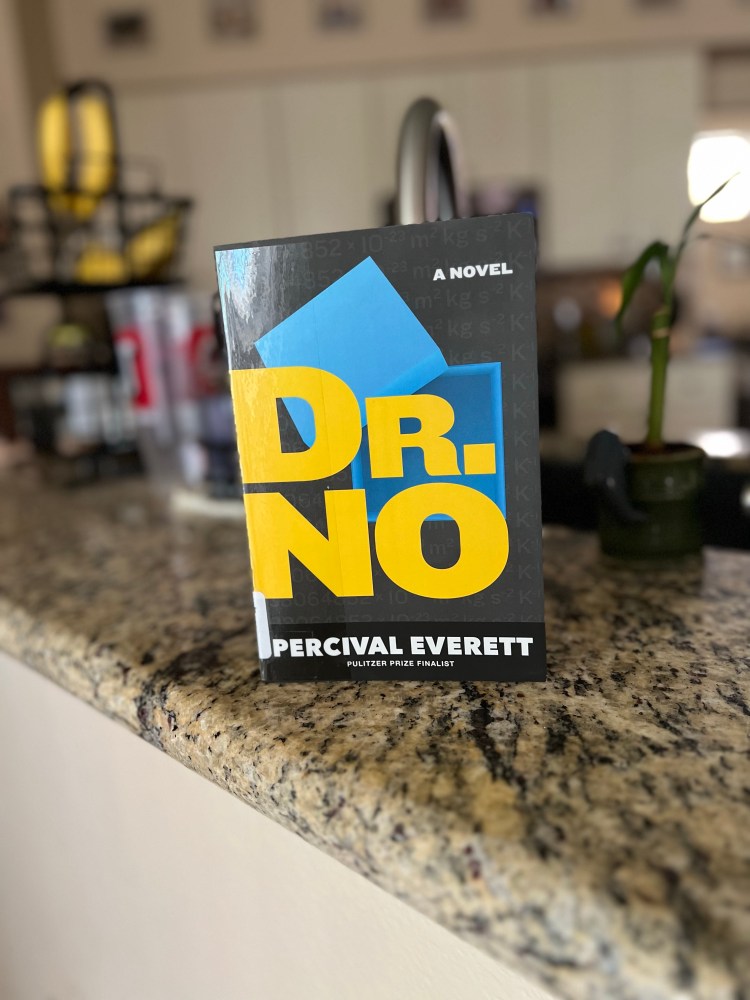
  • By Percival Everett (262 pages)

    A story about rich man named, John Sill who wants to be a bond villain. He wants to break into Fort Knox and steal not gold, but a shoebox containing nothing. However, has one problem. He has no sidekick or henchmen to help him.

    Sill meets a brilliant Mathematics professor named Wala Kitu (Yeah, weird. I know). Kitu is actually Swahili for “nothing”. His first name in Tagalog is also “nothing. Suffice it to say that he is an expert in nothing and doesn’t care to do anything about it. These traits alone make him the perfect partner for the aspiring bond villain Sill.

    Once Sill is able to succeed at Fort Knox and control the box of nothing. Sill wants to take over Massachusetts and turn it into nothing or that’s what he believes.

    With the help of brainwashed and new recruit/henchmen Eigen Vector, our professor attempts to become the foil Mr. Sill’s attempt to become a literal Bond villain.

    Will the Professor succeed or with Sill find himself in the league of Blofeld and Spectre.

    This is by far one of the most bizarre books and I have read this year. However, it does have its laughs and keeps the reader interested up the end of the story. The eccentric Professor, and the aspiring villain Mr. Sill make the story quite interesting.

    I haven’t read any books my Everett, but I must confess. As silly as I found this story. I very entertained for the 256 pages it offered. I won’t divulge anymore, but if you see this at your library. Give a check out. You will finish the book and be entertained.

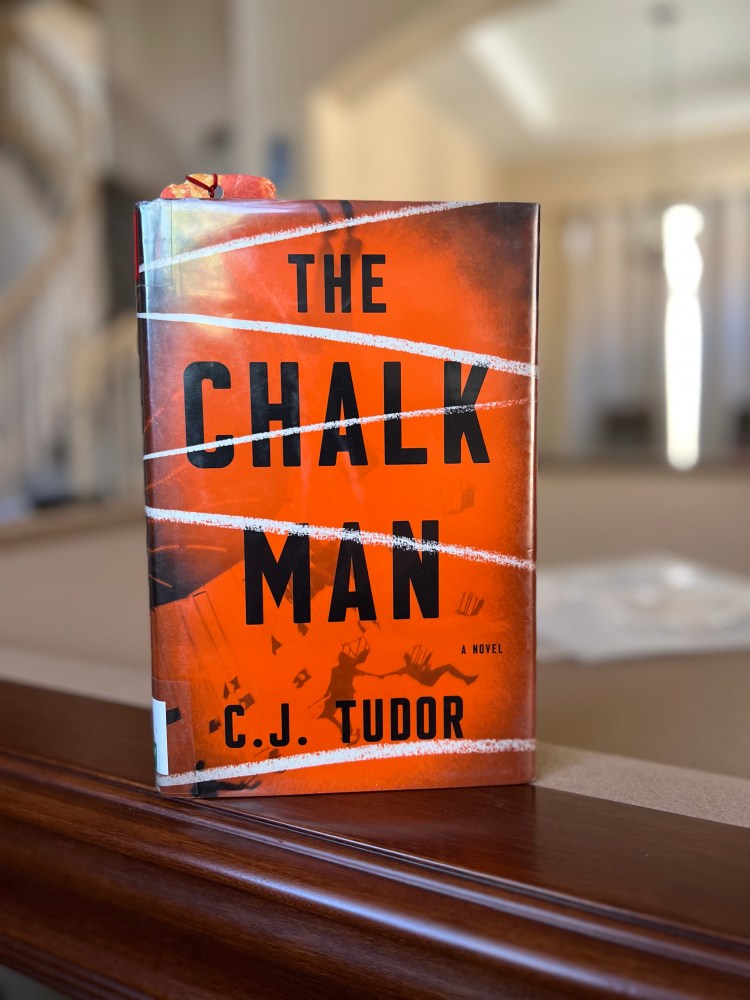
  • C.J Tudor’s debut had me wondering if I was going to read an exciting thriller, or a Stephen King retread.

    The Chalk Man is the debut of its author, and for a new writer I was expecting some hiccups or mistakes.

    To be honest I didn’t find either and was impressed with the story Ms. Tudor’s presents.

    The story bounces back and forth between 1986 and 2016. It involves 5 kids on the verge of adolescence who find a body. The main protagonist is Eddie Adams. He is the narrator of the story and also is the leader of this rag tag group of kids.

    The kids spend their time hanging out, bike riding, and looking for any kind of adventure in their small, sleepy English village. To toss a little excitement in there the kids also use “Chalk Man” drawing as their code for messages that only they can understand. However, it becomes apparent that someone is also using the code for their sinister means. The kids choose to follow this “Chalk Man” code from the stranger and discover the body of a young girl mutilated in the woods. Their lives would never be the same. Flashforward to 2016 and Eddie and his now adult friends discover that the past is still with them.

    Eddie receives a letter in the mail with a stick figure in it. His friends would also get the same message, but they each chose to ignore it thinking that it was just a childish prank. That is until one of them ends up dead. Eddie realizes that in order for this to stop and to save himself. He and his friends much venture back to that small village from their childhood, confront their past, solve murdered girl’s mystery., and avenge their friend.

    While the author was clearly influenced by Stephen King’s “IT”, and “Stand by Me”. I had to confess that I kept wondering if one of the characters were going to ask, “You want to see a dead body?”

    Ms. Tudor is still able to weave a very simple story with the material she is working with. While I admit I don’t know if I will read any future works by her. I will say that this is a very good novel if you are a King fan, or just like the good thriller/horror story. If you meet those items I listed, then this will be a good book to read.