I have been a photographer for years, but now I am actually studying it while I am pursuing my degree in history. I must say it has been fun and challenging.
Along the way I have been using this tool that we are learning in class called “adobe bridge”. Its software connected to photoshop that allows you to edit and, in some ways, manipulate your photos to the style that you want.
While it can’t fix everything, and you are still having to make the proper adjustments on your camera such as, apertures, shutter speeds, and ISOs. It can bring out the beauty of your photos and enhance them to the casual viewers.
The Bridge will allow you to adjust the light of your photos, the shadows. It will also allow you to add texture, and sharpness to make the photos smoother and more appealing.
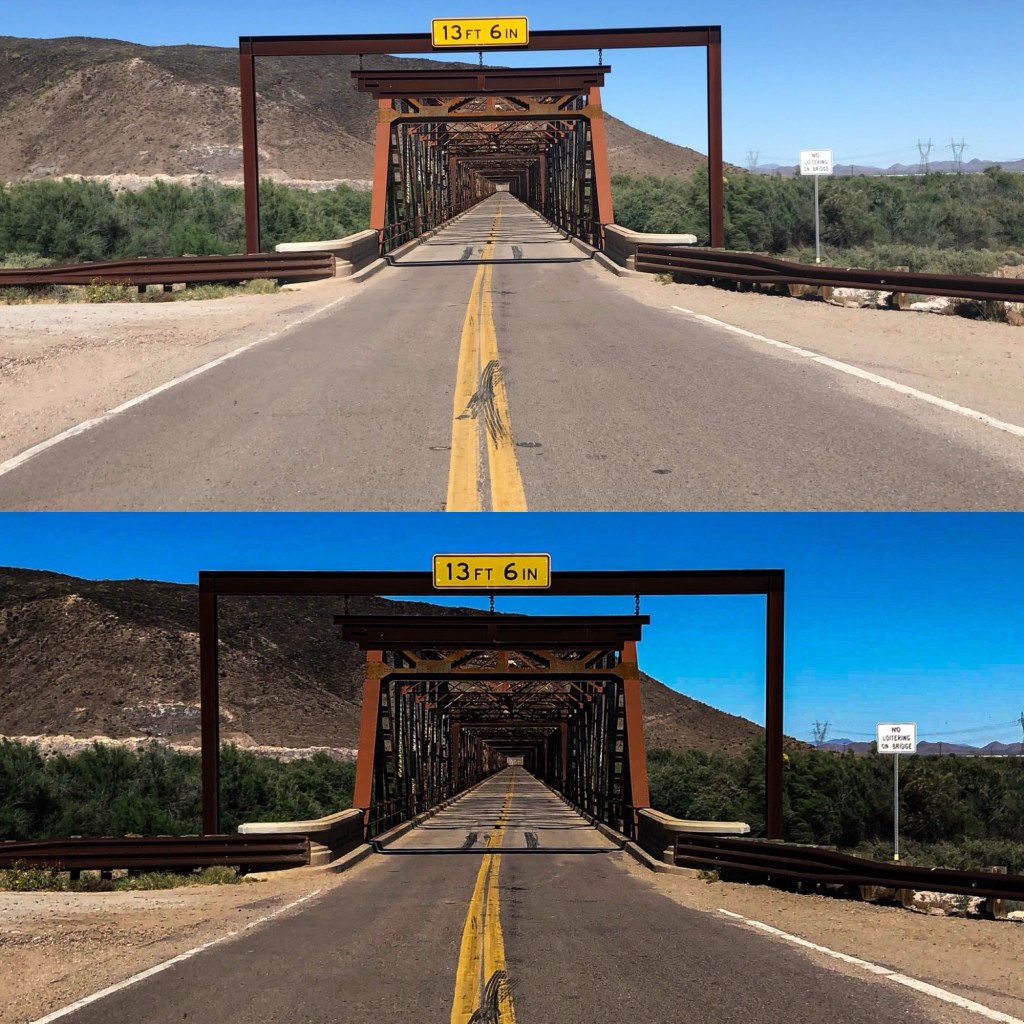
Below, I did a before and after photo with Bridge
The photo is of Gillespie Bridge in Arizona. I took the photo and in 2019. While I felt the photo was good, I also felt that it could be better. At the time I didn’t now how to correctly work Photoshop, or even knew that Bridge even existed.
When I took this class, I discovered that I needed to learn this program in order to pass the class. I would find time to go through my 15000 photos and began to edit and redefine some of the photos. I figured that this would be a good start, and what do you know. It really brough out the colors, and the photo came out smoother and without noise. I got the settings on the camera right, but I needed this tool to project what my vision of this bridge really looked like. Before I took this class, I took photography from a scientific view. Trying to perfect the right settings on the camera. I would apply some edits on the phone, but it is limited and doesn’t help the photo reach its potential.
As I have been learning more about bridge and photography, I have been wanting to pursue a more artistic direction with my work.
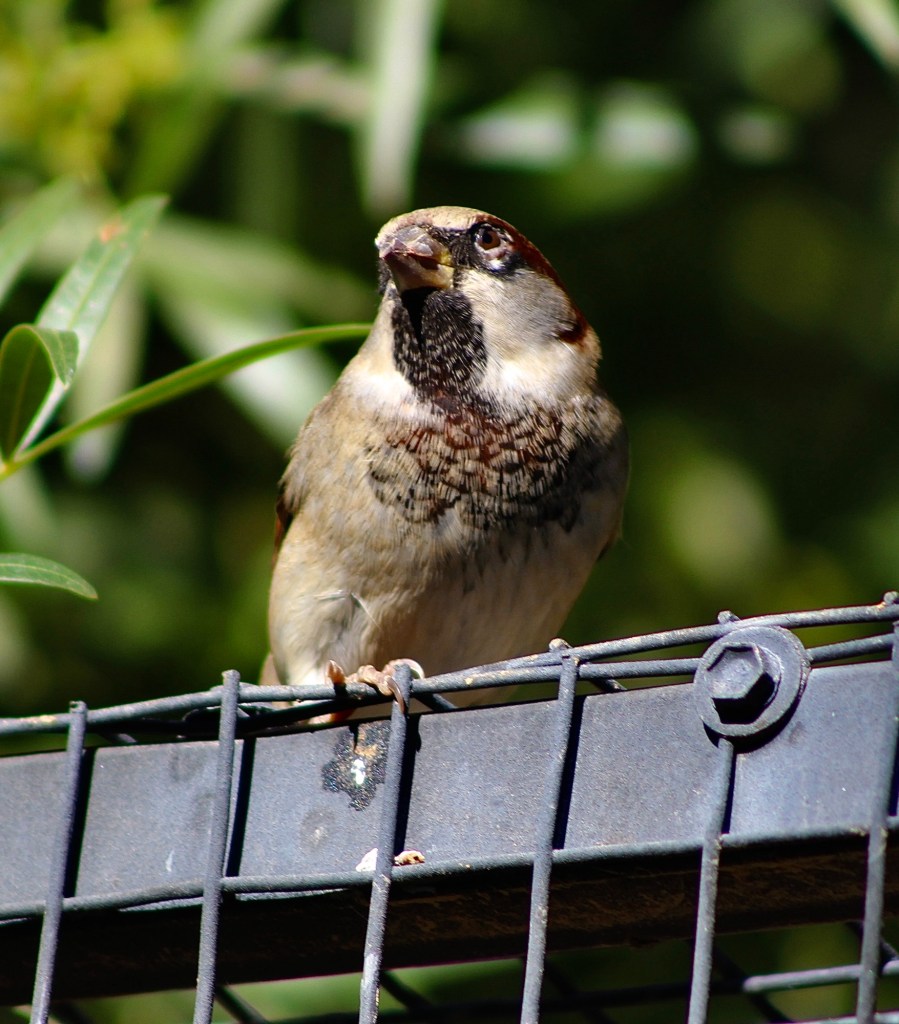
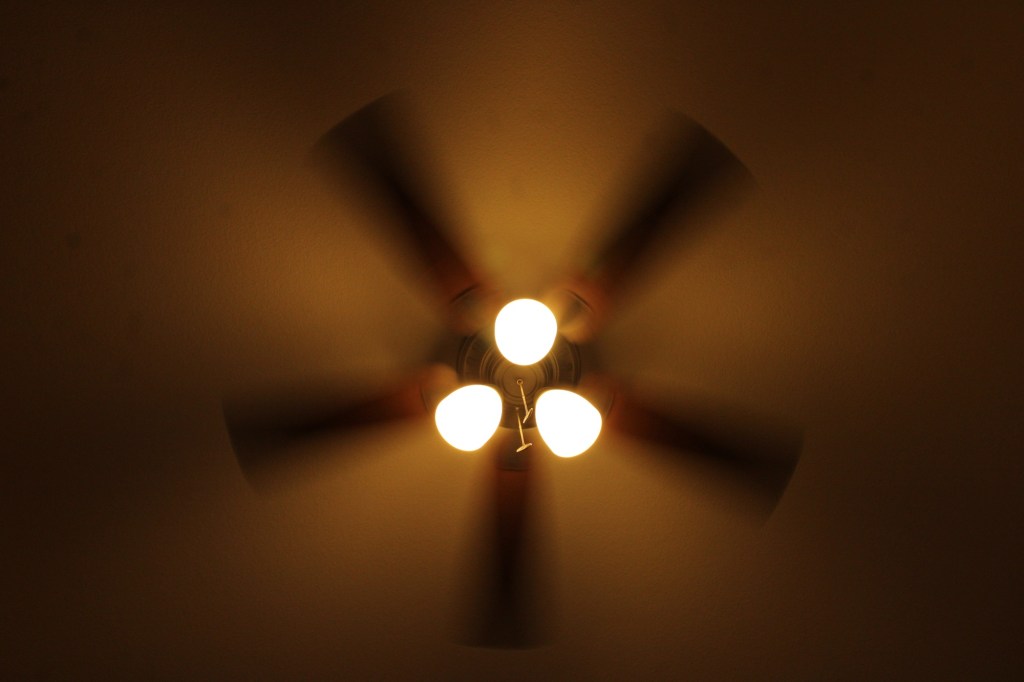
Below, I posted some of my recent updates on Bridge with photos I have taken over time. Feel free view and offer feedback as needed
Some more below that I enjoyed taking.
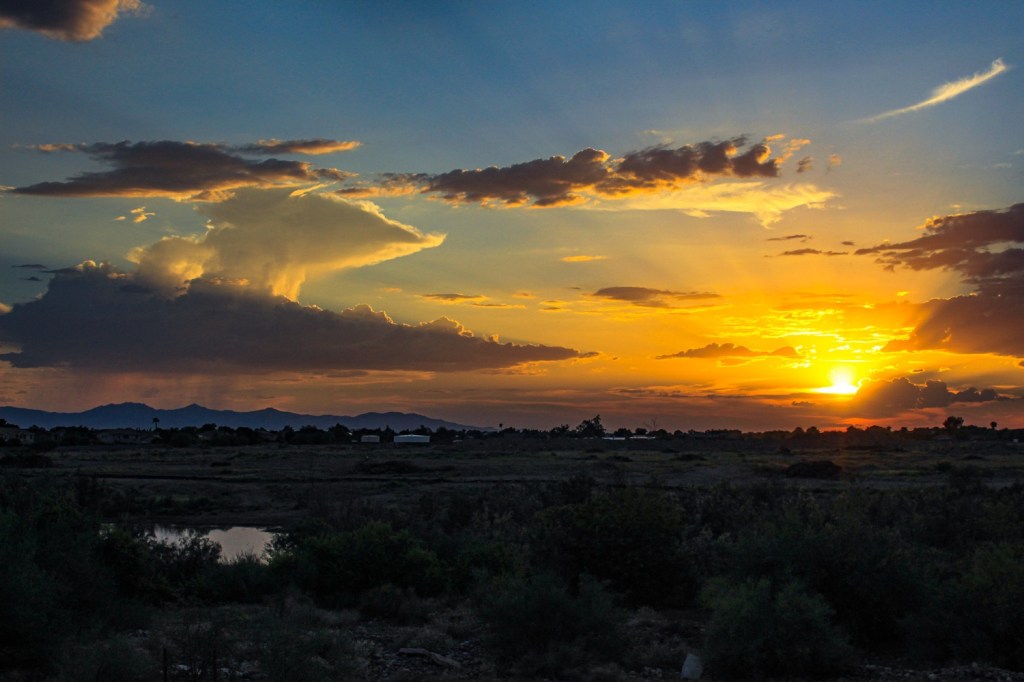
This one photo below was a Sunset I did take recently. I love how Bridge allowed me to enhance its beauty
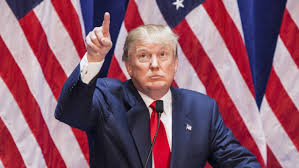
President Trump has been peddling some misinformation with how FEMA aid and assistance works. I figured I would offer some context into how it works.
The $750 referenced is for items such as, food, clothes, formula and other accessories. It isn’t just some small check the government hands off and sends you on your way.
FEMA offers a program called (Individual and Household Development). This helps cover expenses and serious needs that aren’t covered by the insurance companies, or other means after a federally declared a disaster.
Other FEMA offers are:
Housing Assistance:
Temporary Housing (such as Rental assistance). Repairing or replacing damaged homes
Other Needs Assistance:
Medical, Dental, and Funiture)
Transportation and moving/storage expenses
Child Care or other essential expenses related to the disaster
While FEMA does do what it can to assist families in need, it sadly won’t cover all loses. It is used a supplementary form of relief alongside insurance and other assistance. However, individuals must apply and be found eligible to receive this aid.
Below, I have posted some links to assist or information
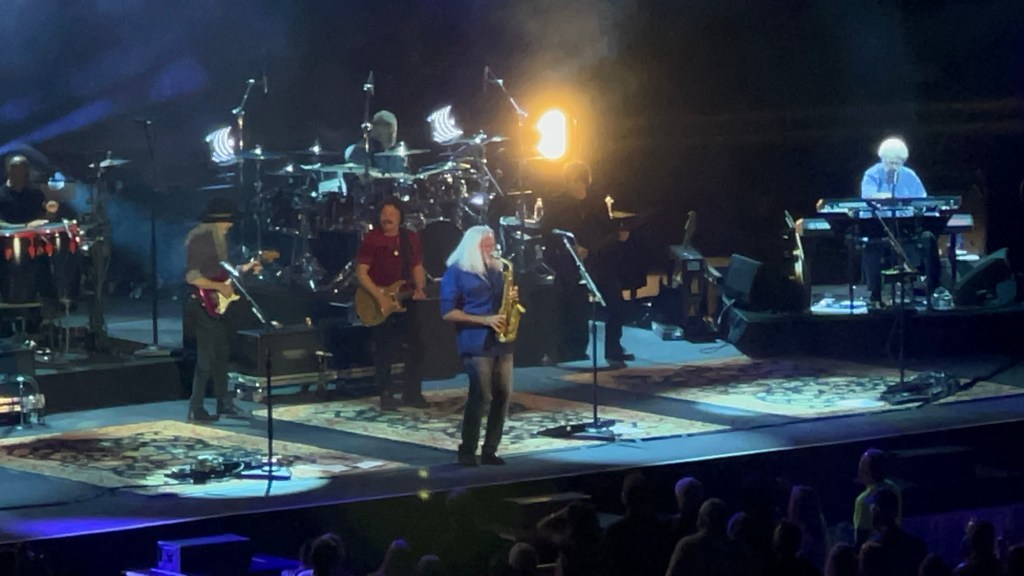
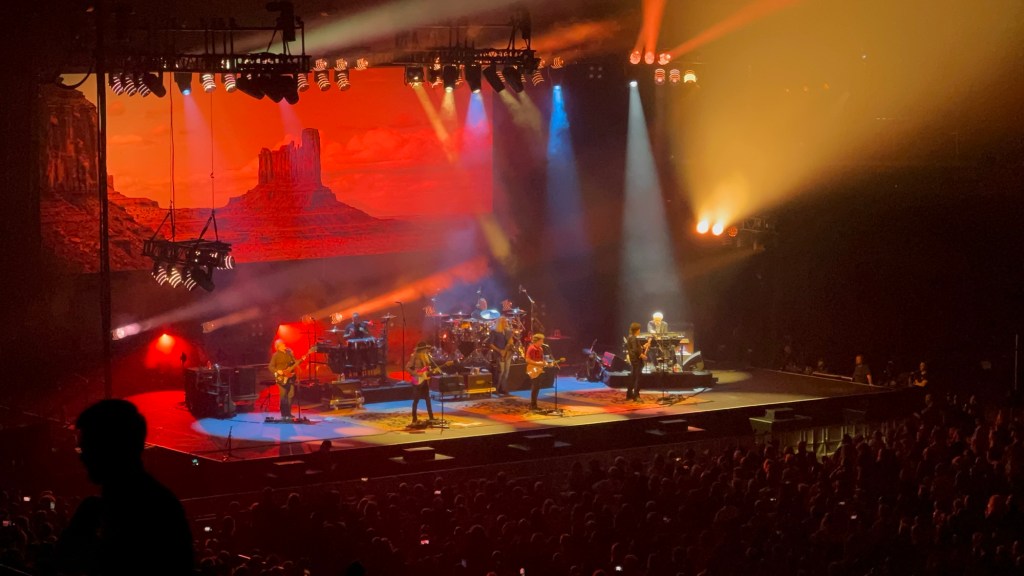
Last week The Doobie Brothers with Michael McDonald performed together at the Footprint Center in Phoenix.
The concert was great. A live packed audience of about 7K-8K and a lot of memories of some of their past hits.
They also had a very good opening band from “The Robert Cray Band”. I had never heard of them, but I must admit that they did leave a good impression on me. I made sure to add them to my Spotify lists.
The Doobie Brothers performed 13 songs and did 3 encore numbers. I was impressed at how fast they would blow past each song. Most acts I have seen would perform and interact for long periods with the audience. The band did some interaction but were able to balance it with their songs and ensure the concert would move a fast pace.
The sets were very simple and the lights weren’t as out of control as you would see from more current performers.
While some may are familiar with this band, I figured I would provide some history those who are reading this and aren’t familiar with who they are.
The Band hails from San Diego California. Their style ranges from rock, pop, blue-eyed soul. They formed in 1970 consisting of Tom Johnston (guitars, keyboards, harmonica, vocals) and Patrick Simmons (guitars, banjo, recorder, vocals), alongside Michael McDonald (keyboards, synthesizers, vocals) and John McFee (guitars, pedal steel guitar, mandolin, banjo, violin, cello, harmonica, vocals), and touring musicians including John Cowan (bass, vocals), Marc Russo (saxophones), Ed Toth (drums), and Marc Quiñones (percussion, backing vocals). Solo Musician Michael Mcdonald joined in 1975 to help offer relief to Tom Johnston’s heatlh problems at the time. The band broke up in 1982 and reunited in 1987.
Below are some of the tracks I was able to record. You will recognize some of them. I really enjoyed the show and would recommend it to anyone who has a love for past rock music. This band won’t disappoint.
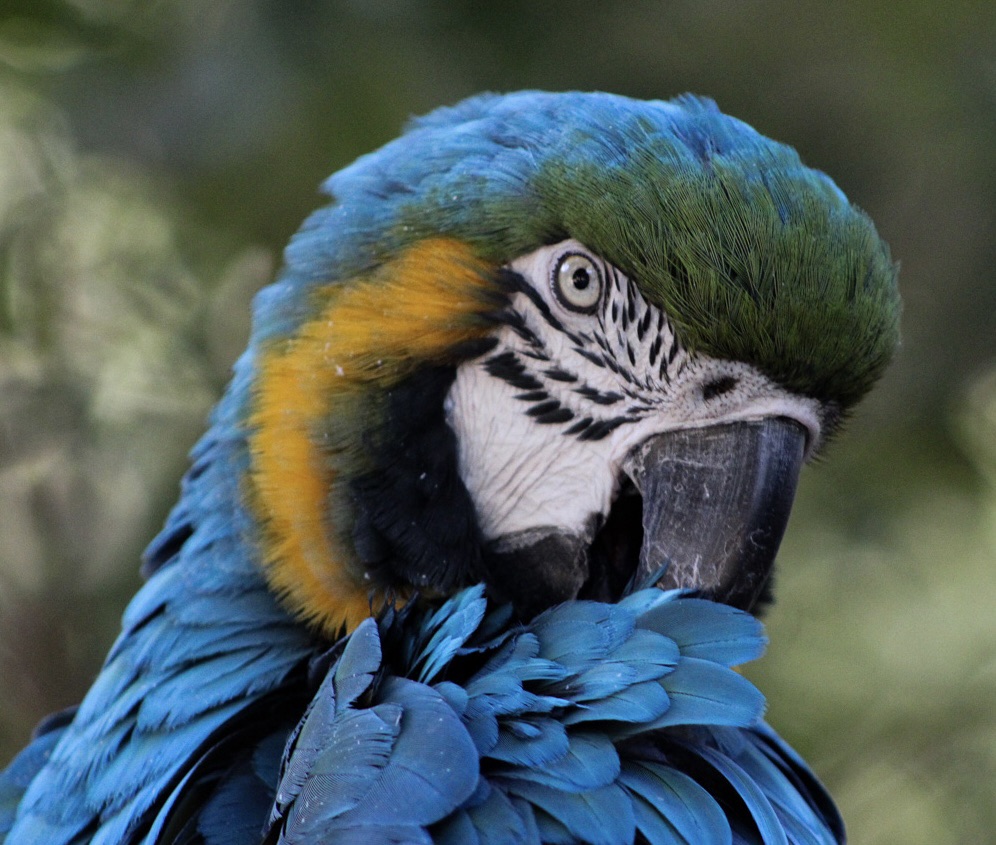
As a photographer, one of my favorite things to do is “birdwatching”. I really enjoy it and the different types of birds that I have seen was more than I thought existed.
I figured since I am capturing them all on film that I would do a little research and learn about them. So, here we go.
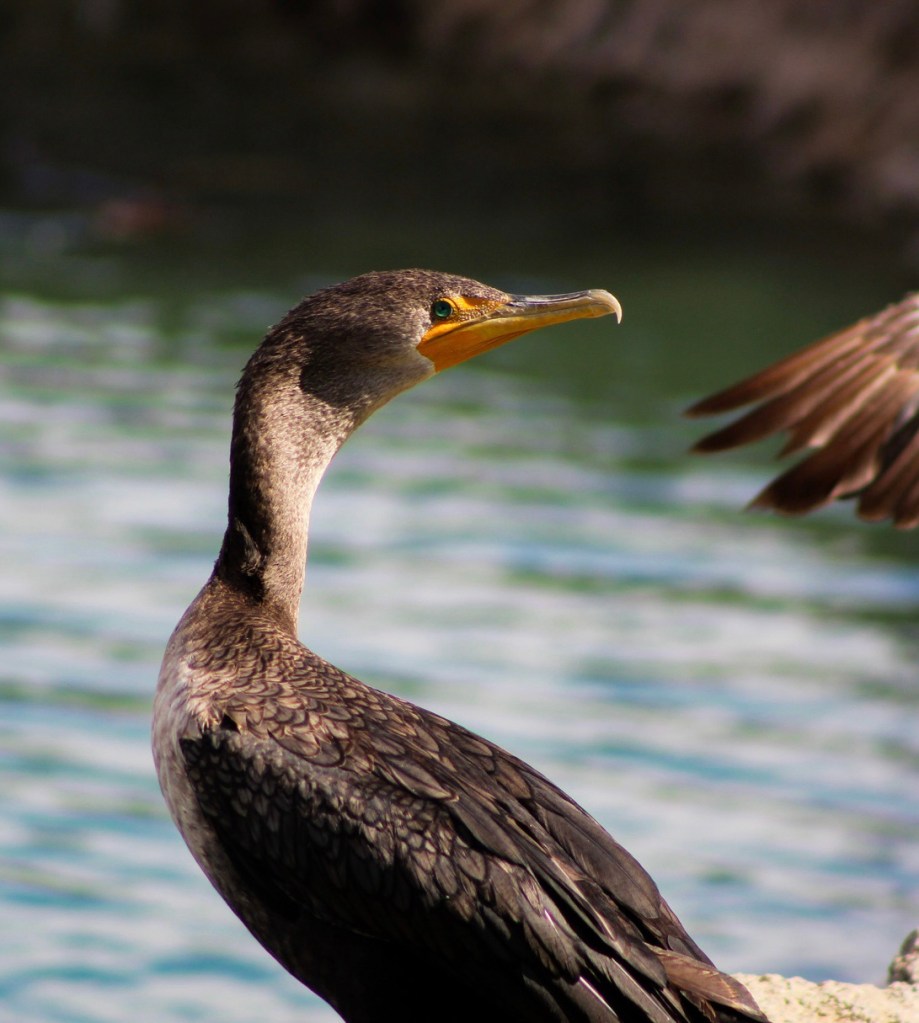
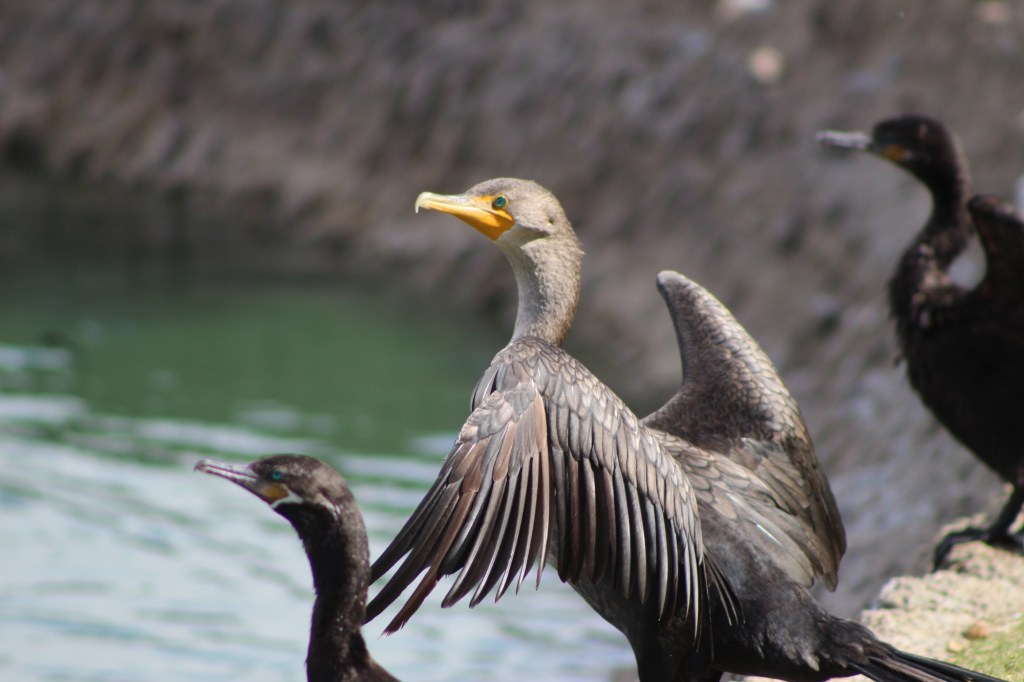
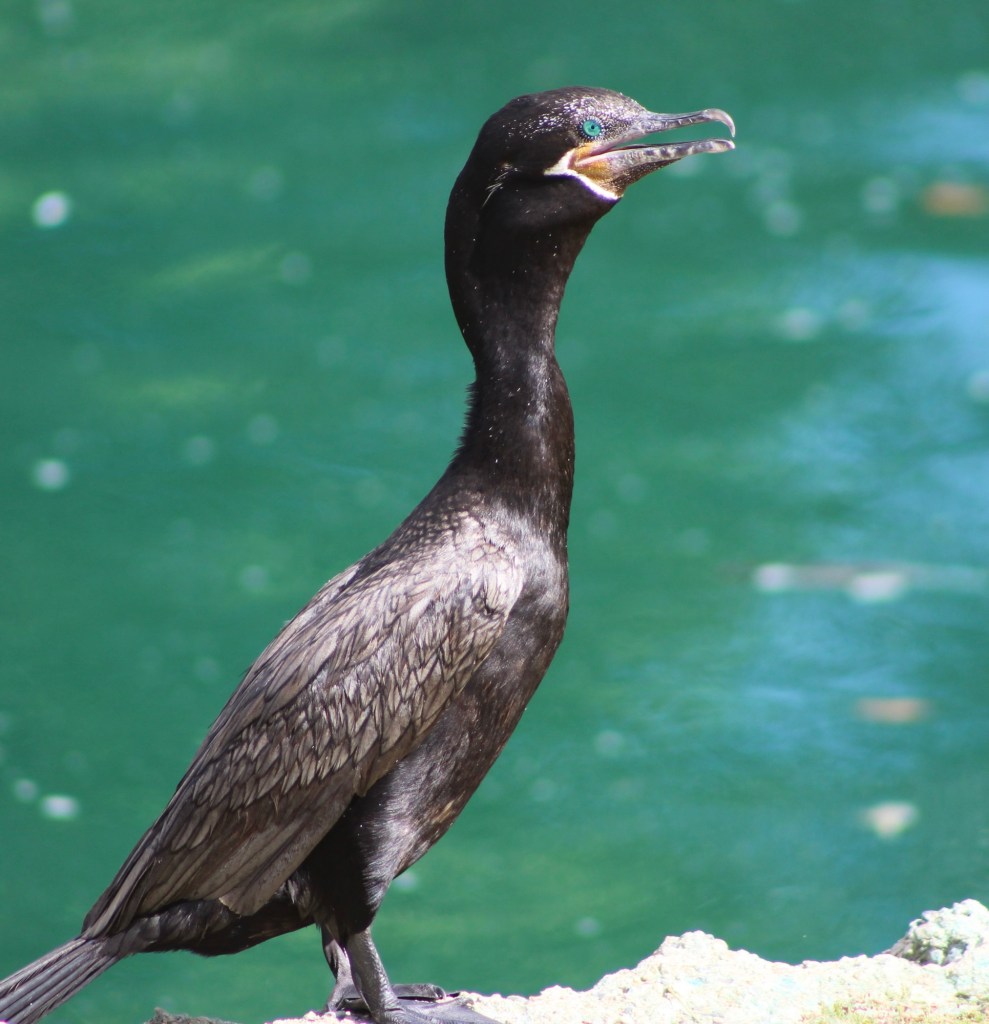
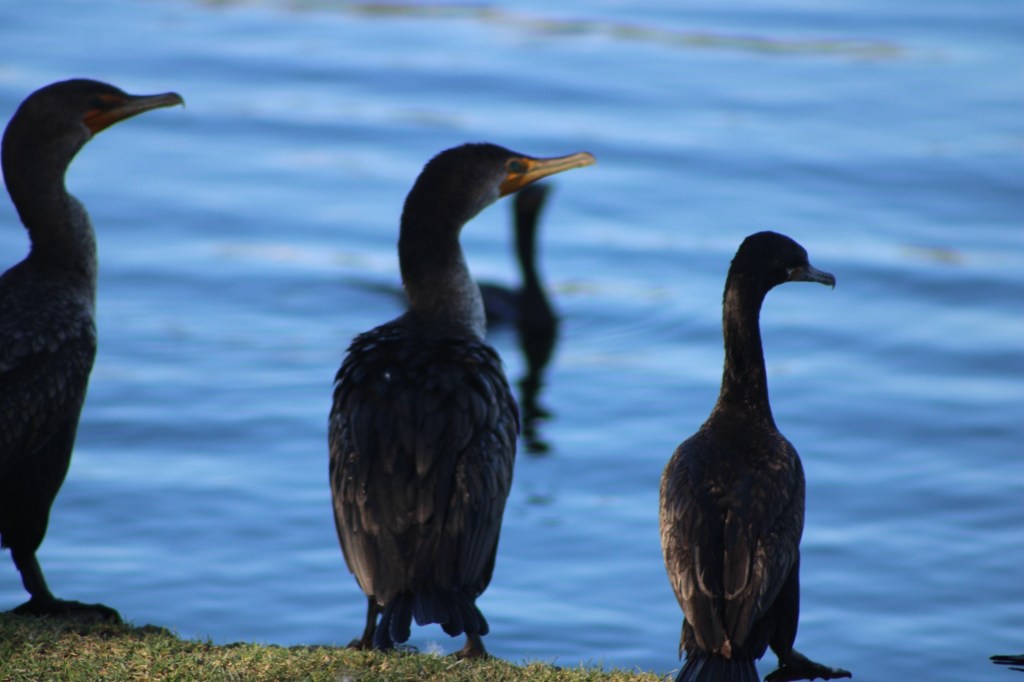
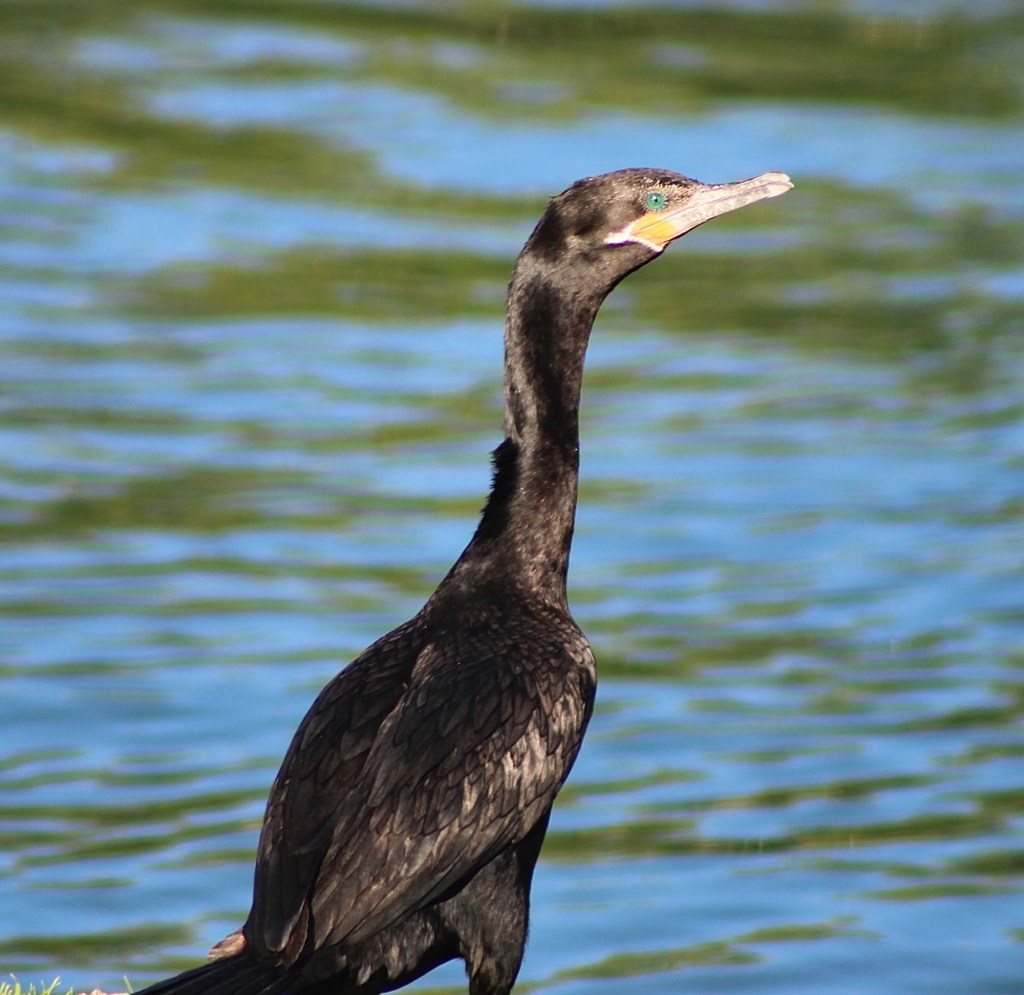
The Cormorants are a large waterbird with small heads on long, kinked necks. They have thin, strongly hooked bills, roughly the length of the head. Their color patterns are for the adults are brown, black with a small patch of yellow-orange skin on the face. The younger ones are browner overall, palest on the neck and breast. When they enter their breeding season, adults develop a small double crest of stringy black or white feathers.
Their sizes can vary.
Measurements Both Sexes Length: 27.6-35.4 in (70-90 cm) Weight: 42.3-88.2 oz (1200-2500 g) Wingspan: 44.9-48.4 in (114-123 cm)
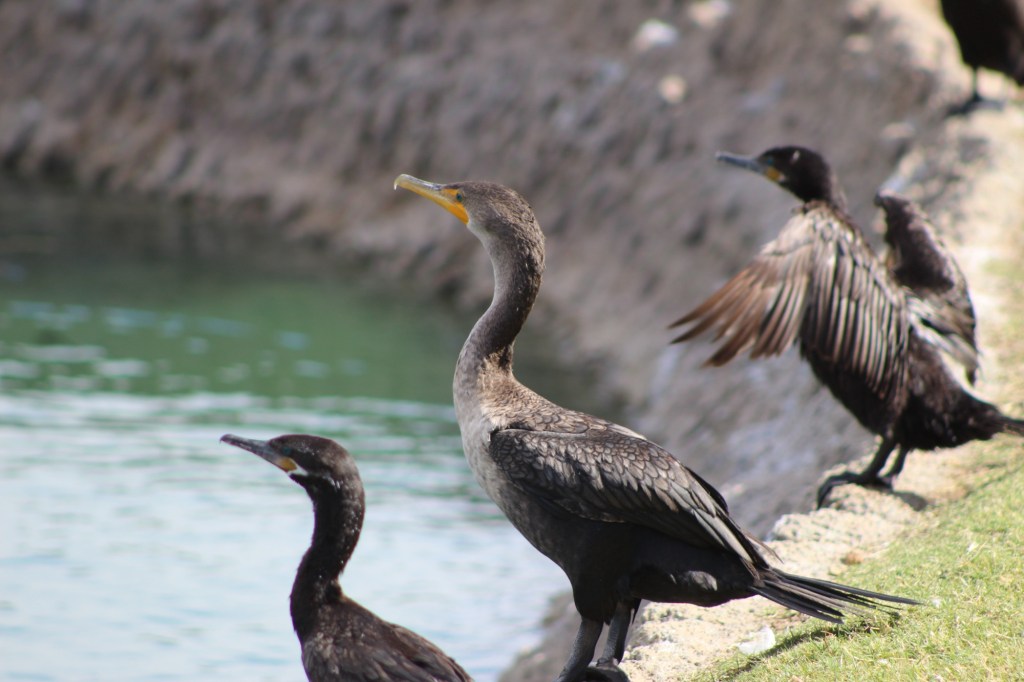
Their behavior is floating low to the water to grab small fish for food. When they aren’t fishing, they will stand on docks, rocks, and tree limbs with wings spread open to dry.
In flight, they often travel in V-shaped flocks that shift and reform as the birds alternate bursts of choppy flapping with short glides.
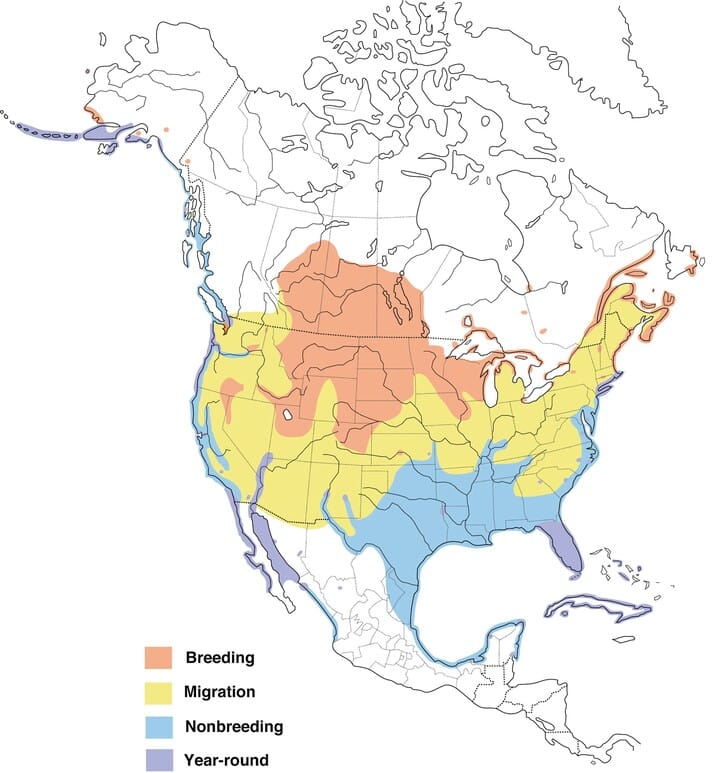
Below is a layout of their habits and locations.
Some cool facts I found that were interesting
From a distance, Double-crested Cormorants are dark birds with snaky necks, but up-close they’re quite colorful—with orange-yellow skin on their face and throat, striking aquamarine eyes that sparkle like jewels, and a mouth that is bright blue on the inside.
The double crest of the Double-crested Cormorant is only visible on adults during breeding season. The crests are white in cormorants from Alaska and black in other regions.
Cormorants often stand in the sun with their wings spread out to dry. They have less preen oil than other birds, so their feathers can get soaked rather than shedding water like a duck’s. Though this seems like a problem for a bird that spends its life in water, wet feathers probably make it easier for cormorants to hunt underwater with agility and speed.
Double-crested Cormorant nests often are exposed to direct sun. Adults shade the chicks and also bring them water, pouring it from their mouths into those of the chicks.
In breeding colonies where the nests are placed on the ground, young cormorants leave their nests and congregate into groups with other youngsters (creches). They return to their own nests to be fed.
Accumulated fecal matter below nests can kill the nest trees. When this happens, the cormorants may move to a new area or they may simply shift to nesting on the ground.
The Double-crested Cormorant makes a bulky nest of sticks and other materials. It frequently picks up junk, such as rope, deflated balloons, fishnet, and plastic debris to incorporate into the nest. Parts of dead birds are commonly used too.
Large pebbles are occasionally found in cormorant nests, and the cormorants treat them as eggs.
The oldest known Double-crested Cormorant was at least 23 years, 8 months old. It was banded in Oregon in 1997 and spotted by a bird watcher in Washington in 2021.
I really enjoyed photographing this bird. It was surprisingly patient and allowed me to get close enough to make some beautiful captures.
For the Images I have a Canon Eos Rebel T7. The lens was 300 mm that allowed me to capture them from respectable angles.
To understand their goals, we need to understand the times that they were being applied to. During the 30’s there was the Great Depression. A time economic loss, and massive unemployment. The Government needed to act to stabilize the losses and attempt to rebuild the economic infrastructure. The Great Society of the 60s was a different time. There was economic growth and expansion during this time. In this essay I will explain what those programs were, how they are similar, but also how they were different.
The Great Depression was one of the biggest economic crashes in the US’s history. The New Deal presented by FDR was an effort to focus on economic recovery and relief. (Foner) It was a broad range of policies in the 1930s. One of the first goals was to address the banking crisis that was left from Hoover’s administration. Congress would pass the “Emergency Banking Act” in March of 1933. (Foner) It provided federal funds to help shore up the threatened institutions. Following that was the “Glass-Steagall Act” which would bar commercial banks from becoming involved in buying and selling of stocks. (Foner) The law would prevent many of the poor practices that contributed to the Stock Market crash of 1929. The Law would help establish the “Federal Deposit Insurance Corporation (FDIC)”. (Foner) The program would insure the accounts of individual depositors. (Foner)
Roosevelt would continue with the passing of the “National industrial Recovery Act”. It established a system of self-regulatory through the “National Recovery Administration”. The program lasted until 1936 when it was overturned as unconstitutional by the Supreme Court. (Foner) The NRA mentioned helped establish codes of standards for production, prices, and wages in the steel, mining, and auto industries. (Foner) To help get Americans back to work, the administration with the help established the “Civilian Conservation Corps”. (Foner) This would set young men to work on the projects like Forest preservation, flood control, and the improvement of the national parks. It also came to an end in 1942, but not before 3 million people passed through the camps and received government wages. Public Works Administration was a pivotal program as well. This program put people to work on items, such as roads, schools, hospitals, and other public facilities like the Robert F Kennedy Bridge in NYC. (Foner)The “Tennessee Valley Authority” would help put Americans back to work. This was established to help with he is building of a series of Damns to prevent floods and deforestation along the Tennessee river. (Foner) Housing would become a big issue during this time. To combat homelessness, the administration established the “Federal Housing Administration”. (Foner) This would insure millions of long-term mortgages issued by private banks. The Federal Government itself would build thousands of housing units for low rentals. (Foner)
As the 30s went on, the administration would have to find other ways to address the unemployment issues the country was still going through, Before the Rural Electrification Agency was passed, 80% of the farms and homes in the rural areas were still without electricity. The program was designed to address this, and by the 1950 90% of the nation’s farms had been wired for electricity. (Foner) One final thing the administration signed into law was the historic passing of the “Social Security Act” of 1935. (Foner) Roosevelt felt the Government had a responsibility to the “Material well-being of Ordinary Americans”. (Foner) It would create a system of unemployment insurance, old age pensions, and aid to people who had disabilities, the elderly poor, and families with dependent Children. While not all were entirely successful, Roosevelt’s target was to address poverty and unemployment. Pres. Lyndon Johnson’s, while like FDR in many ways, addressed it quite differently.
Unlike the New Deal which dealt with the depression. The Great society was a response to “prosperity”. (Foner) The 1960s went through a time of rapid economic expansion. An expansion that was fueled by increased government spending, and tax cuts for individuals and businesses. Pres. Johnson believed that economic growth would make it possible to fund new ambitious programs and to improve the “Quality of Life”. (Foner)
With his landslide victory in 1964 over Barry Goldwater, Pres. Johnson presented an huge proposal for government actions to improve general welfare. (Foner) Between 1965-67 the Johnson Administration passed a wide scope of programs to benefit as many Americans as it could, it would be known as the “The Great Society”, (Foner) The Congress would work with the administration in passing pieces of legislature, such as Medicare, Medicaid, urban development, and Education. (Foner) Two Cabinet positions would also be created to help oversee some of the new programs that were passed. They were the Department of Transportation, and “Housing and Urban development”. (Foner)
The signing of Medicare was very significant. It would cover “hospital and physician costs for the elderly who qualified”, and Medicaid would cover healthcare costs for people getting cash assistance from the government. (HC) This would provide a big safety net for those who were most vulnerable.
Education was very important and in 1965, the “Elementary and Secondary Education Act” was passed. (HC) This would allow guarantee that federal funds reach the school districts whose student majority were low income. (HC) The program would cover these following items, such as funded preschool programs, supported school libraries, supported school libraries, provided special education services. (HC)
Pollution was also addressed during this time. In 1965 the “Water Quality Act” was passed to establish a national quality of standards for water. (HC) Also, the first Vehicle emission standards were passed when the Johnson signed the “Motor Vehicle Air Pollution Control Act”. (HC)
Finally, the national quota for immigration was eliminated when the Pres. signed the “Immigration and Nationalization Act”. (HC) This would focus on reuniting families, but still put limits on “Immigrants per country”, and “total Immigrants”. (HC)
Johnson would also sign the “Housing and Urban Development Act” of 1965. The Act would create the cabinet position I mentioned earlier, and provided federal funds to cities who met the minimum housing standards. (HC) It would also provide easier access to mortgages and rent subsidy programs that would help lower income Americans to qualify for “Public housing”. (HC)
While both programs were to help the poor, their methods and situations were very different. Johnson’s policy was inspired by FDR’, and it was one of the biggest expansive efforts in the country’s history to address the least-advantaged Americans, especially those of color who were excluded from the New Deal polices like Social Security. (Foner)
During Eisenhower’s time, the Country was during the Korean War. (Foner) Eisenhower was able to bring a conclusion to that war which ended in an Armistice. (Foner) Also, in Foreign Affairs Eisenhower was able to find a way to reason with the Soviets. When Stalin died in 1953, he that with Nikita Kruschev he would be able to deal with him more diplomatically. (Foner) This is what is now known as the “thaw” in the Cold War. (Foner) Eisenhower also kept the US out of affairs that other Cold War warriors would have gotten us into, such as the uprising against communism in Hungary. (Foner) Eisenhower realized that “Containment” and not intervention would be the best way to address Soviet Domination. (Foner) Another situation was the was the war in the Suez Canal in Egypt. (Foner) In 1956, the British, French, and Israelis launched an invasion in Egypt because their Nationalist leader, Gamal Abbel Nasser had nationalized the Suez Canal. (Foner) Eisenhower immediately stepped in and was able to defuse the situation and end the invasion that was launched. With this move, Eisenhower was able to position the US companies to dominate the region’s oil fields and establish the US as a major Western power in the Middle East. (Foner) Eisenhower would also keep us out of assisting the French in Vietnam. The French were attempting to recapture colonies that were lost during the Second World War but were unable to conquer Ho Chi Minh’s Forces. (Foner) The US was originally paying 4/5’s of the cost, but in 1954 the US would back off when Eisenhower rejected the National Security Council’s advice to use nuclear weapons, (Foner) A couple of shortfalls though hit his foreign policy. In Guatemala, Jacobo Arbenz Guzman was elected. (Foner) He was a home grown nationalist. His policy towards nationalization would potentially impact the foreign controls over the fruit market. The administration had the CIA overthrow the government and install a leader that suited the US interests. (Foner) Another one was in Iran, where Mohammed Mossadegh was elected. Like Guzman, He was also a Nationalist, and attempted to nationalize the oil in Iran back to its people. Once again, the US would assist in the overthrow of Mossadegh, and install the Shah. (Foner) This would be a huge mistake, as it would plant the seeds for the eventual overthrow of the Shah with the Islamist Ayatollah Khomeini who was extremely anti America and end Iran-Us Relations in 1979. (Foner)
On the Domestic front, Eisenhower established a different kind of Republican direction. While conservatism was on the rise in the 1950s, Eisenhower realized that a more pragmatic approach was more appropriate. He would create what is now known as “Modern Republicanism”. (Foner) While he hired a lot of businessmen for his cabinet and was originally perceived as someone who would roll back “New Deal” policies, they would be for a rude awakening. (Foner) He would take the opposite approach and would shed the party’s legacy of Herbert Hoover’s conservatism that failed in the Depression. (Foner) At the time the core of the New Deal programs had not only survived but had expanded. In 1955, Agriculture workers became eligible for the first time for Social Security. (Foner) Eisenhower came to believe in the idea of “mixed enterprise”. The idea in which government played a major role in the planning of economic development. (Foner) The Administration also signed into Law the “National Defense Education Act”; they would allow for the first time direct federal funding to higher education. (Foner) In 1956 the “Federal Aid Highway Act” was signed into law. It would establish the modern day “Interstate highway system”. (Foner)
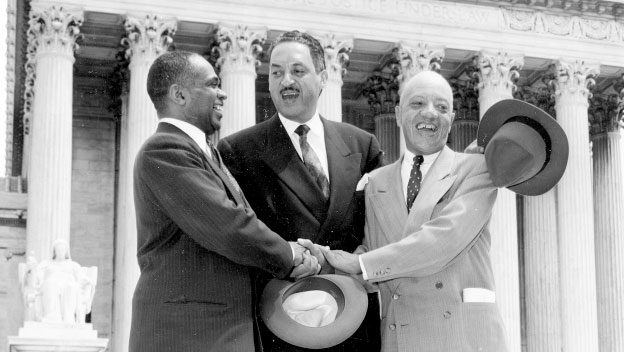
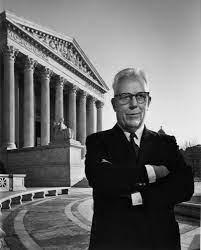
On Civil Rights, Eisenhower’s legacy is mixed. Though indifferent to the issue, Eisenhower did achieve some postive results. In 1957, Gov. Faubus of Arkansas use the National Guard to prevent integration in Little Rock’s Central high school, (Foner) To counter, the President sent in federal troops to squash this violation. The soldiers of the 101st Airborne Division and escorted 9 black children into the school. (Foner) Eisenhower’s impact was also felt during the “Brown vs Board of Education”. (Foner) The background of the case was brought about when Oliver Brown’s daughter was forced to walk across dangerous railroad tracks each morning to school, rather than being allowed to attend a nearby school for whites. (Foner) The Case would go all the way to the Supreme Court, where Brown would win their case. One pivotal reason why they won was the makeup of the Court. The Court was led by Earl Warren, former Gov. of California and was nominated by Eisenhower and approved by the Senate in 1953. (Foner) The court was divided, but Warren was able to create an “unanimity.” To protect the members who were against discrimination but were afraid to speak out. Warren himself read the ruling to shield them. Below, Thurgood Marshall, the lawyer who represented Brown and eventually became the 1st African American to become a Supreme Court Judge. To the right, Earl Warren. Warren would serve as Chief Justice until 1969. He would also oversee the successful ruling on “Loving vs Virginia” in 1967 that made interracial marriages allowed.
Finally, one last great act Eisenhower addressed, and is still in our collective conscious to this day, was his warning about the “Military Industrial Complex” in 1961. (Foner) During the 1960 campaign, John F Kennedy, who was running for President at the time falsely claimed that the US was suffering a “Missile Gap” with the Soviets. (Foner) In reality, the US far exceeded the Soviets in missile and Economic growth. (Foner) Eisenhower used this opportunity to warn about the dangers of an overinflated Military budget. He explained how a conjunction of “immense military embellishment”, and with a “permanent arms industry” with an influence felt in “every office”. (Foner) He would close this part of his speech with the sobering reminder of “We must never let the weight of this combination endanger our liberties or democratic processes”. (Foner)
Foner, Eric, et al. Give Me Liberty. 7th ed., vol. 2, W. W. Norton and Company, 2022
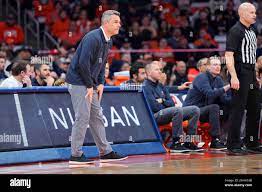
Tony Bennett has been coach of the University of Virginia Men’s Basketball team since 2009. His hire at the time was viewed as an upgrade. His arrival was the hope the Virgina fans needed. His predecessors Jeff Jones (who led UVA to the elite 8 in 94), Pete Gillian (mediocre at best), and Dave Leitao (Had no real business being there). With Bennett’s arrival, there was renewed interest if he could lead Virginia back to its 80’s and early 90’s success.
It seemed to start out that way. He brought his system from Washington State with him. His Defense known as a “pack line” and his motion offense were questionable while at Washington St, but Virginia was up for the fresh change. The Cavaliers would initially struggle. Going
2009 15-16
2010 16-15
2011 22-10 (Eliminated in the first round of the NCAA)
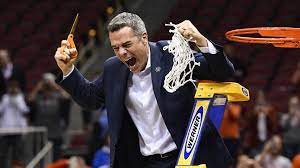
Virgina would improve and reassert itself in the upper echelon of the ACC. The team would win 30+ games 3 times in the 2010s decade (2014, 2018, and 2019 where they won the NCAA title). It seemed that UVA was finally putting together a long-term successful program, but the reality is clear that some of his success was the stars were aligned properly. I say that not to tear down their accomplishments, but to acknowledge that the teams weren’t very stacked. A couple of noted players who did go to the NBA, such as Malcolm Brogdon, Joe Harris, Klay Thompson, and Deandre Hunter to name a few. However, it seems with some of those examples that I have provided and accomplishing a championship win, it seems that Bennett can’t adjust or build on that. His recruitments have clearly shown that he is more focused on his system and not on who has more to offer to the team.
While I commend him for building his past success in UVA, I do now take concern on his ability to win in the present and the future. Though his teams have been in the top 5 in defense, his offenses have been well let’s just say trash.
Between 2020-2024 the UVA Cavaliers have been
2019-2020
PS/G: 57.0 (351st of 353)PA/G: 52.4 (1st of 353)
2020-2021
PS/G: 68.2 (257th of 347)PA/G: 60.5 (6th of 347)
2021-2022
PS/G: 62.4 (342nd of 358)PA/G: 60.1 (6th of 358)
2022-2023
PS/G: 67.8 (277th of 363)PA/G: 60.5 (6th of 363)
2023-2024
PS/G: 63.6 (354th of 362)PA/G: 59.6 (3rd of 362)
While consistent, the success has been “satisfactory” at best. When the Cavaliers won 35 games in 2019, the team’s stats were.
2018-2019
PS/G: 71.4 (210th of 353)PA/G: 56.1 (1st of 353)
The Defense was there when UVA needed it, but the offense clearly isn’t backing it up. My complaint with him is that his history of recruiting the last few years has been well below par. The team has some decent players but players that realistically wouldn’t start on many Division 1 teams playing in the bracket this year. It’s very clear that Bennett in my opinion has become a victim of his own success.
Most College coaches who win and maintain it have shown the ability to adapt to the changes around them. With Bennett I see a massive issue with complacency. As I am watching Colorado State (a team from the Mountain West Conference) Pound Virginia into the ground I am even more certain of it. For Bennett to survive, he needs to adapt his recruiting abilities. He is willing to sacrifice offensive talent to maintain the status quo defense. He needs to find a balance, and that means actually recruiting some offensive talent to compliment his defense. With the way College teams are performing today, Bennett needs more offense, (especially when you are playing in one of the powerhouse conferences of the ACC).
To put it simply I have three words for Coach Bennett. Adapt or quit.
During the 30’s several ominous events were taking place around the world. In 1931 Japan began a period of expansion. (Foner) They would invade Manchuria, a province of China, and then 5 years later would invade China itself. (Foner) In Italy, Benito Mussolini had risen to power in a fascist movement. (Foner) He also would want to expand Italy’s sphere of influence by invading and conquering Ethiopia. (Foner)
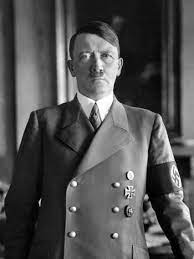
Meanwhile in Germany, Hitler and Nazi’s had risen to power. He would begin a period of what is now known as “Rearmament”. (Foner) The Germans felt that they were slighted at the end of the first World War would begin to violate the “Treaty of Versailles.” (Foner) They first invaded the Rhineland, a demilitarized zone between France and Germany. (Foner) Germany would then expand on it by annexing Austria, Sudetenland, a part of Czechoslovakia, and then the entire country itself. (Foner) While Hiter was expanding, he was also securing an international network of alliances. He would sign what is now known as the “Tripartite Pact” with Japan and Italy. (FH) This pact would establish the “Axis Powers”. (FH) Hitler also influenced and assisted other countries in their internal problems. In Spain, Germany sent arms into the country, and assisted General Francisco Franco in overthrowing the democratically elected government and establishing another “fascist” state. (Foner) Hitler would also reach out and successfully negotiated the “Molotov-Ribbentrop” or the “Hitler-Stalin” nonaggression pact.
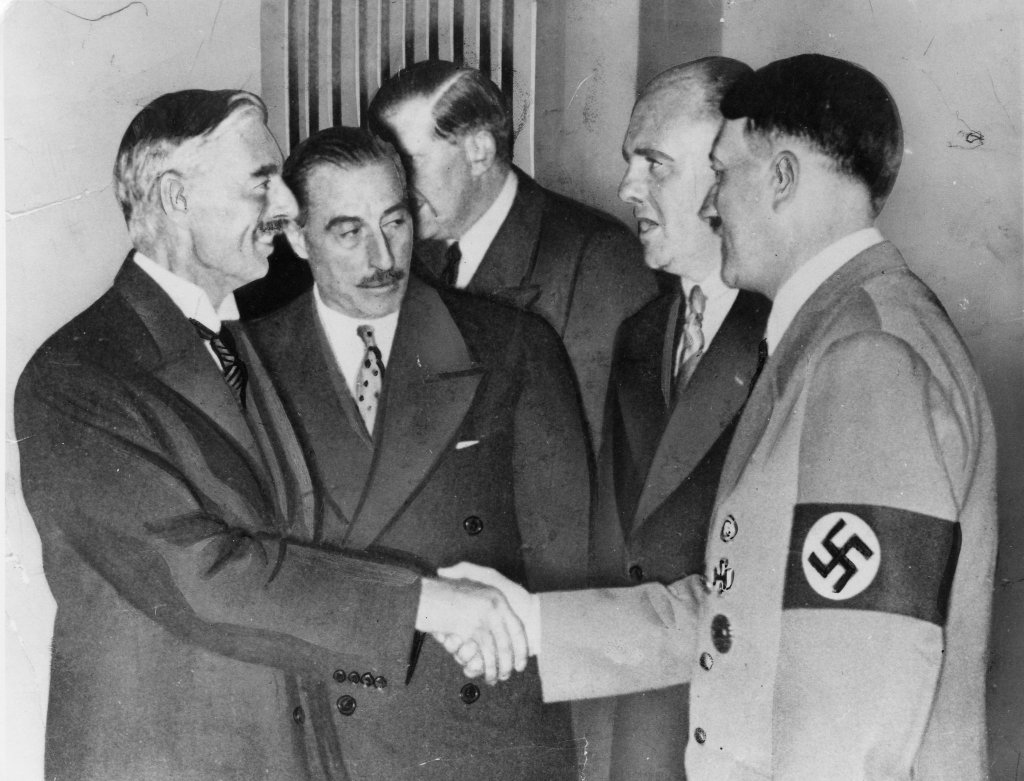
The World did very little to address the problem. In the US Pres. Roosevelt was appalled by the German’s rise. He would call for an “international quarantine” against aggressors. (Foner) Roosevelt would try to thwart German influence in Latin America by expanding hemispheric trade and promoting respect for American Culture. (Foner) Sadly, this wasn’t enough. In Japan however, he did take some more aggressive approaches. They would hit them with aggressive economic sanctions that caused severe shortages of natural resources that the Japanese couldn’t afford. (FH) The British to their credit did try to attempt something to slow the Germans. In 1938 the British and France led by Neville Chamberlain attempted to negotiate an “appeasement” with Hitler. (Foner) They had hoped that by agreeing to Hitler demands would prevent his aggression, and perhaps prevent war. So, the “Munich Conference” as it was called allowed Hiter to remain in control of the Sudetenland. (Foner) Chamberlain believed that this would work and even arrogantly commented that this agreement would be “peace in our time”. (Foner)
These events I feel are what laid the groundwork for the Second World War. While there trying times such as the “Great Depression”, I do feel that there was enough of a warning that these international leaders could have done more to prevent this horrible catastrophe.
(Foner), Eric, et al. Give Me Liberty. 7th ed., vol. 2, W. W. Norton and Company, 2022
(FH) The United States Enters World War II | Facing History & Ourselves Links to an external site.
Today, as many as 80% of all consumers capture photos with a digital camera or camcorder and some four in ten (40%) only use a digital camera or camcorder. This compares to almost half (45%) of consumers who use their smartphone to capture photos or video.
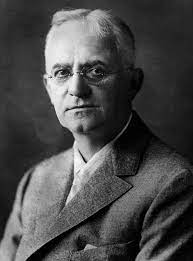
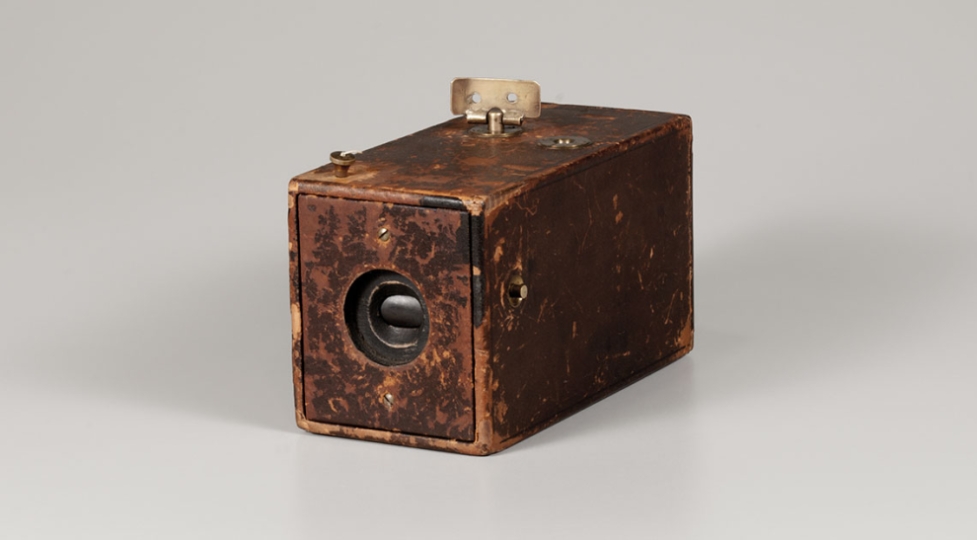
A lot of this wouldn’t be possible if it wasn’t for one man. That man would be George Eastman, and I will explain why. George Eastman invented the Kodak Camera in 1888.
Eastman was born on July 12, 1854, in Waterville, New York. George Sr. had started a small business school, Eastman Commercial College, in Rochester, where he moved the family in 1860. But he died suddenly when Eastman was eight. This tragedy alone would alter Eastman’s course for the rest of his life. He would take jobs to help take care of himself, his mother, and his two older siblings (one of whom was in a wheelchair because of Polio).
A planned trip to Santo Domingo in 1878 would change the course of his life. He wanted to document the trip but discovered how impossible it was because of the costs and size of the photography equipment needed to be used on the trip. He would end up not going because of this issue.
Determined to make photography less cumbersome, Eastman set out to invent a camera that would be smaller and easier to use. He would be shown seeing a formula for a “dry plate” emulsion in a British publication, and getting tutelage from two local amateur photographers, Eastman would formulate a gelatin-based paper film and a device for coating dry plates.
Eastman would quit his job at a Bank he was working at in April 1880 and began to build his fledging company. 5 years later with his friend and confidant William Hall Walker, a camera inventor. The two would file a patent application for a roll holder device that the two had invented. This device would make the camera smaller and cheaper.
He would come up with the name Kodak in 1888 that would be accompanied with the tagline, “You press the button, we do the rest”. This would mean that the film was sent to the company after the 100 exposures on the roll of film had been used; they developed it and sent it back to the customer. Later in 1889 Eastman would hire chemist Henry Reichenbach and have him develop a type of flexible film that could be more easily inserted into the cameras. Thomas Edison would also learn about this and use it in his work towards creating “Motion picture capturing”. This would alone help Kodak’ stock rise.
When Eastman’s camera was finally presented, “The Brownie one” and charged only $1. The photography market was never the same again. His creation would establish what is known as the “amateur photography market”, and it is still going strong today.
Despite his company essentially becoming a monopoly for many years, Eastman was not your typical corporate industrialist. He was one of the first American industrialists to embrace and implement the concept of employee profit sharing in the United States. His generosity would also extend beyond his own business, as he gave to the struggling Mechanics Institute of Rochester, which became the Rochester Institute of Technology, as well as M.I.T. (Massachusetts Institute of Technology).
It would be estimated that Eastman contributed more than $100 million of his wealth for philanthropic purposes during his lifetime. Too bad that isn’t practice much in today’s world.
As a photographer myself. I can’t help but admire him. Without him I probably wouldn’t have become a photographer today. The only thing about this is that I had no idea who he was until I started studying the world history of Photography itself. Learning about snapshots and pictorialism. His contribution alone has helped amateurs like me discover art with just a click and the ability to develop before the iPhone came to.
Below is some of my work I have posted on my Instagram. enjoy
While most Americans know of the “New Deal”. They don’t know that it was actually two parts to it. The first is the most common one. This established programs, such as the CCC (Civilian Conservation Groups). (HCE) It was used to create trails and shelters along the 800 parks in the US. We saw the TVA (Tennesse Valley Authority). (HCE). This was used for building the Damns that you see around the country now. He would also pass “Emergency Banking Act” that would reorganize the banks and would close the ones that were insolvent. (HCE) While these programs were successful for the time that they were needed Roosevelt began ambitions to build a more economic structure for Americans.
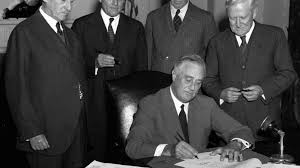
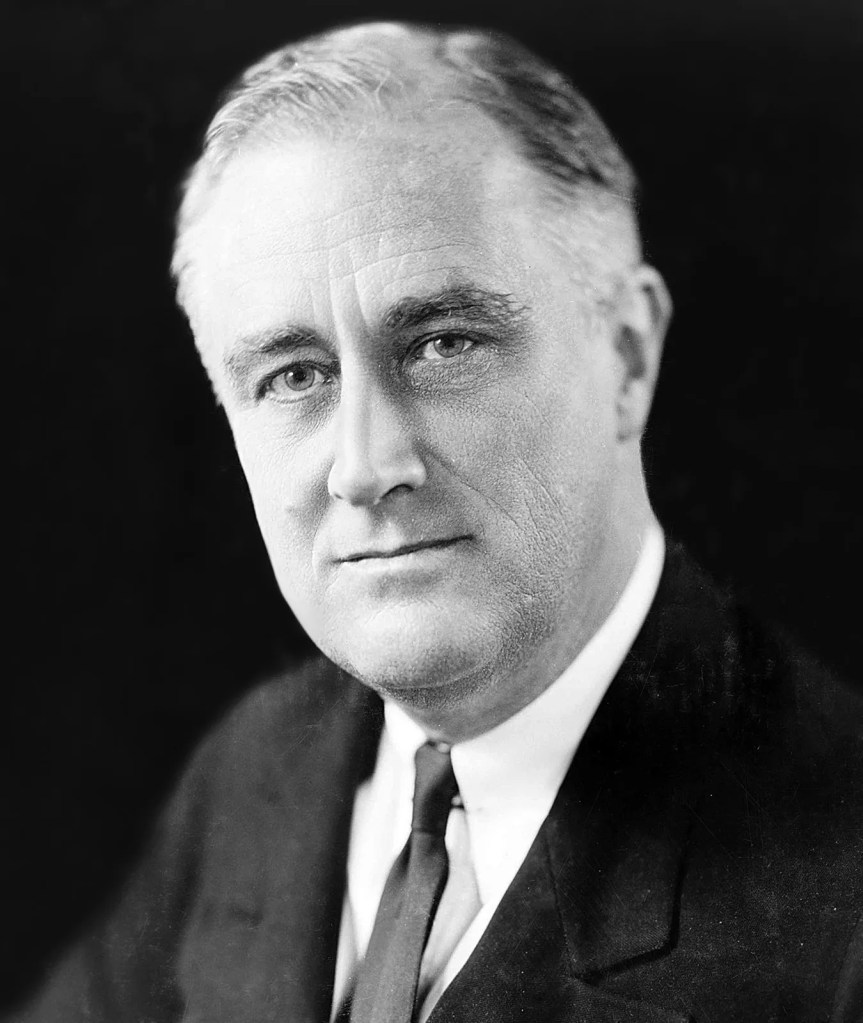
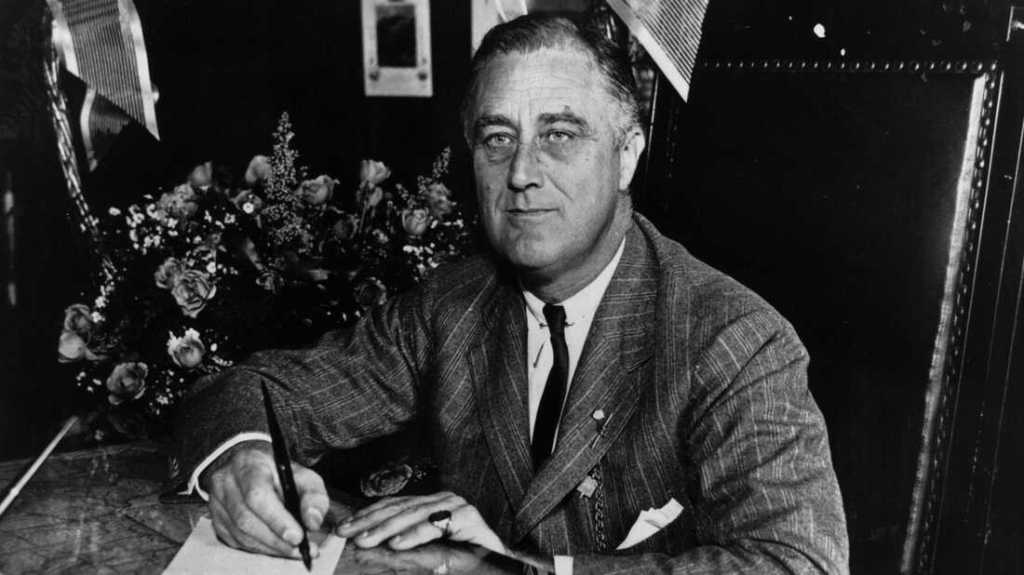
The man known universally as FDR, pictured here in 1936.
Despite those earlier succusses mentioned above. Roosevelt would encounter resistance from the Congress and the Supreme Court over several of his New Deal policies (Foner) However, his administration began to redefine what needs to be done to ensure economic security for Americans long term. They adapted their ideas to the problems of the time.
With that said, we entered what was called the “Second New Deal”. (Foner) During this time the Roosevelt administration signed several high important pieces of legislation and established programs to help Americans.
One of the first was the Rural Electrification Agency in 1935. (Foner) at that time 80% of American farms still didn’t have any electricity. (Foner) This would enable Americans to purchase up to date household appliances. By 1950 90% of the county’s farms had electricity. (Foner) This program was the one of the most successful of his programs passed.
The Workers Progress Administration passed in 1934. (Foner) The program hired 3 million from everywhere possible annually until it ended in 1943. (Foner) The program helped construct thousands of public bridges, and buildings, 500K miles of roads and 600 airports, (Foner) The WPA also had an impact on the arts. They would decorate buildings with murals and hire writers to produce local histories and guidebooks. (Foner)
In 1935 another act was passed that would assist Americans. “The National Labor Relations Act”. (HCE) Known as the “Wagner Act”, Sen. Robert Wagner who sponsored it. This bill created a relations board that would supervise Union elections and prevent employers from treating their workers negatively. (HCE)
Another piece of legislation was passed that continues to serve us today. The Social Security Act of 1935 was the first time the government would create a system of unemployed insurance, pensions. (Foner) it would aid people who were disabled, poor, and the elderly, and families with dependent children. (Foner) This was an original idea as it was first proposed on the “Progressive platform of 1912.” (Foner) This policy alone would help create what is now referred to as the “Welfare State”. It was a term that originated in Britain during the second World War as a reference to a system of income assistance. (Foner) There was also an attempt at installing a national system of health insurance. The idea as abandoned when the American Medical Association offered strong opposition because of the fear of potential regulation on their activities and profits. (Foner)
Another and a final big one that was passed was the “United States Housing Act” in 1937. (Foner) This was also a first that tried to build homes for the “poorest Americans.”
While not all of Roosevelt’s policies were able to become a reality, he did however offer Americans hope and for the first time ever Economic security. His administration saw the need for fail safes and long-term resolutions rather than short term fixes.













 Throughtful Reader