• Apple’s Effort to address “Privacy”

    Apple’s Privacy on iPhone << Click on the link to watch the video on YouTube

      With advances in today’s digital world, privacy is becoming one of the most pressing issues for users. New smartphones are emerging that track users’ every move, from their location to online activities. Millions of iPhone users are starting to question how much of their data is secure and if any measures are being taken to protect it. Recently, Apple released an ad titled “Privacy on iPhone,” which employed satire and visual exaggerations to illustrate the potential dangers of being digitally tracked. The ad follows a man who is being followed around by random people representing various apps and companies that are collecting his data until he blocks them all by adjusting one setting on his iPhone’s privacy settings and using a metaphor: emotional appeal and real-world scenarios. Apple promotes the iPhone as a tool that empowers users to take control of their data and determine who has access to it.

     Watching the Apple ad “Privacy on iPhone,” we meet a guy named Felix who is just making a routine stop for coffee. The transaction takes a weird turn when the barista employee begins to follow Felix and starts sharing his personal information out loud, offering details that would be concerning to anyone, generating a sense of discomfort that gradually builds as the ad progresses. Apple uses the ad to appeal to the audience’s emotions by making them feel uncomfortable and perhaps even worried about how anyone can gain access to their private information. The situation begins as humorous at first, accurately demonstrating how apps and websites can collect and share your data without your knowledge. Apple also leverages ethos by presenting itself as a brand already known for innovation, trust, and security for its users. Since most viewers already know Apple as a tech leader, they will very likely be able to trust Apple’s message and the solutions it offers at the end.

     As Felix leaves the coffee shop and goes about his day, the number of people following him will gradually increase with each interaction. Each new person he encounters adds more personal information about him, revealing sensitive details such as his location, recent purchases, and even his personal medical history. The swarm of strangers appearing quickly becomes too overwhelming. It symbolizes just how users are constantly being tracked online by the algorithms of advertisers, apps, and websites. Apple uses this visual metaphor to make the concepts of digital surveillance feel real and almost inescapable. Instead of explaining data collection through technical language, the ad brings this to life through imagery that will be hard for the audience to ignore. The metaphor taps into the growing discomfort many people now have about being watched and analyzed by their iPhones. The constant presence of these people invading Felix’s space highlights how privacy is gradually stripped away in subtle yet unnoticed ways. Apple’s message is clear: You do not know who is watching, but it’s happening, and we want you to take control. By the time Felix reaches his breaking point, viewers fully understand that this is more than a commercial; it’s a warning to anyone who utilizes the iPhone. Apple isn’t just selling a phone. It’s promoting a sense of empowerment and protection. The ad encourages viewers to value and protect their personal information by utilizing the tools installed directly on their iPhones.

     The ad starts in a light and comedic tone, complete with curious strangers casually reading his personal information aloud. The mood quickly transitions as the situation escalates. At first, the ad’s humor makes the situation feel light and accessible, but it also serves as a form of satire. Apple employs exaggeration and absurdity to satirize the extent to which your iPhone is digitally tracked, portraying it as a laughable everyday event. This satirical tone draws viewers in with humor while exposing the unfortunate truth behind today’s data collection. As the crowd following Felix grows and his invasions become more frequent and aggressive, the ad begins to take a darker turn. Felix becomes more frustrated with the invasions, and the experience shifts from funny to fearful and chaotic. The tonal shift mirrors how many people would joke about targeted ads and tracking, only for themselves to find it intrusive and exhausting later. The ad’s ending occurs when Felix pulls out his iPhone and turns off the app tracking, instantly stopping the chaos around him. The final moment demonstrates that digital surveillance has become normalized, but Apple offers its users a way out of it. By presenting its message through satire and then shifting to a serious tone, Apple presents itself as a compelling case for privacy, positioning itself as the solution for those seeking greater control over their data and who can have access to it.

     Apple’s “Privacy on iPhone” ad taps into the public’s growing concerns over digital privacy and the dangers of unregulated oversight. Over the last decade, companies such as Facebook, Google, and TikTok have faced similar controversies for collecting, storing, and selling user data without their users fully understanding what they’ve agreed to. This ad reflects those real-world fears by turning invisible tracking into something viewers can see and feel. The message is essential in an era when people are growing very worried about how their data is being stored and used. Apple is positioning itself as a privacy-first company and uses this ad to set itself apart from its competitors. Besides just selling a phone, Apple is trusting its users and providing them with more control in a world that is increasingly feeling out of their hands. The ad is a direct response to the public’s questions for transparency and consumer protection. It is also designed to reassure users that Apple will be protecting their data in the battle for privacy.

     The ad conveys a persuasive and essential message about digital privacy. Using satire, a metaphor, and emotional appeal can encourage the audience to reflect on the fact that their data can be easily accessed without their knowledge. The ad works in striking a perfect balance between humor and discomfort, making the audience laugh at first and then consider the message’s seriousness later. By witnessing data collection firsthand, the ad brings awareness to this problem without overwhelming or confusing them. One of the best elements is the moment when Felix reclaims control by changing a simple setting on his iPhone. This moment demonstrates that the solution is not only possible but also easily accessible, thereby strengthening Apple’s credibility. The ad’s success lies in its skill to articulate complex issues clearly and memorably. The audience will be left feeling more aware of the threats to their privacy but will feel more confident in Apple’s commitment to protecting their data. In this respect, the commercial achieves its rhetorical purpose and helps strengthen the brand’s reputation.

     Apple’s ad presents a rhetorical message by turning the threat of digital surveillance into a real-world learning experience. By employing satire, emotional appeal, and a relatable narrative, the ad presents a compelling case for why users should care about how their data is being used and whom they can trust to protect it. The ad avoids relying on standard fear-mongering or dry, boring tech jargon. Instead, it utilizes storytelling and applies colorful metaphors to make privacy relatable and personal. The company’s reputation as a privacy-focused organization is reinforced through the solutions it has provided, as shown at the end of the ad, where Felix can now stop the chaos with a simple tap on his iPhone. The final act leaves the audience with a sense of control and a feeling of relief. In today’s world, where privacy can often be challenging to achieve, Apple is positioning itself as a brand that not only presents products but also provides a genuine sense of empowerment and protection to its users. This ad achieves this by combining strategy and creativity, utilizing cultural awareness to convey a message that is both meaningful and genuine.
  • History of Sahuaro Ranch: A Glimpse into Arizona’s Past

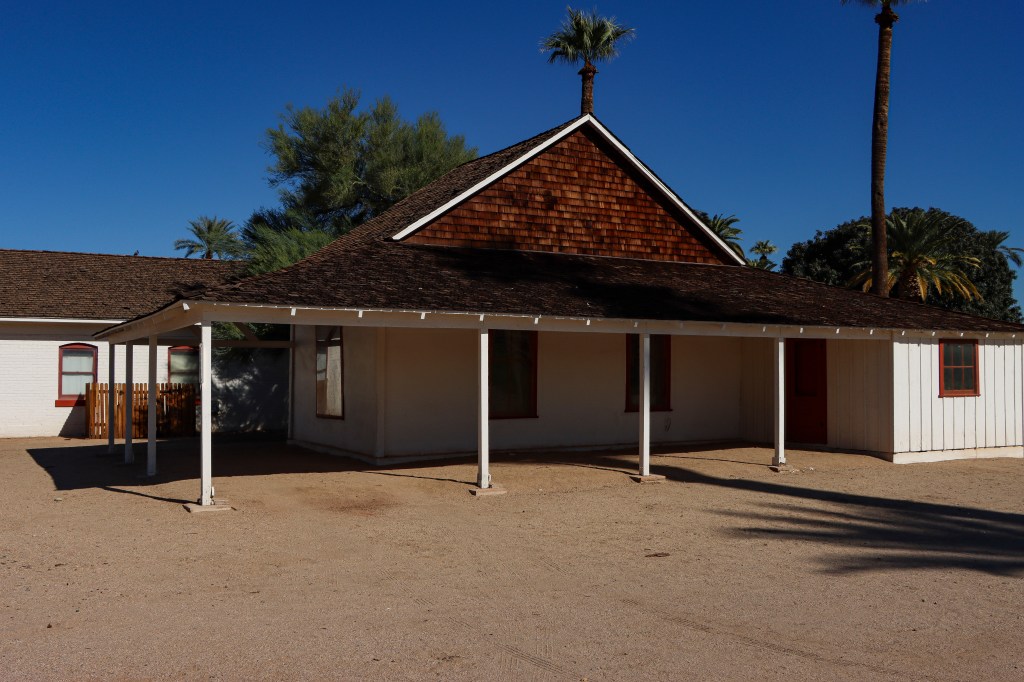
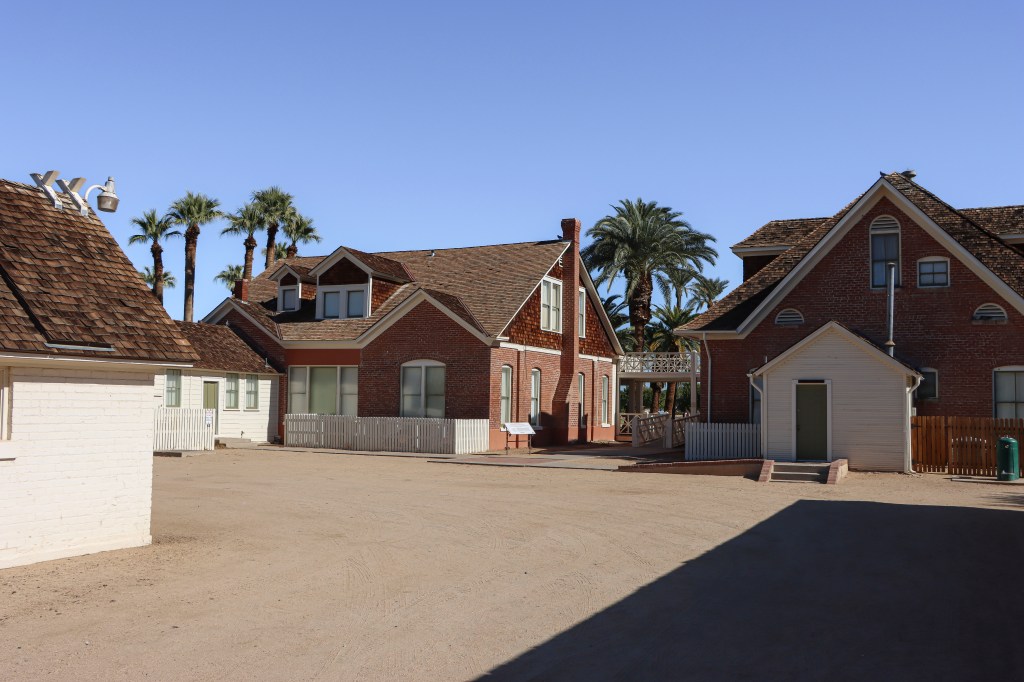
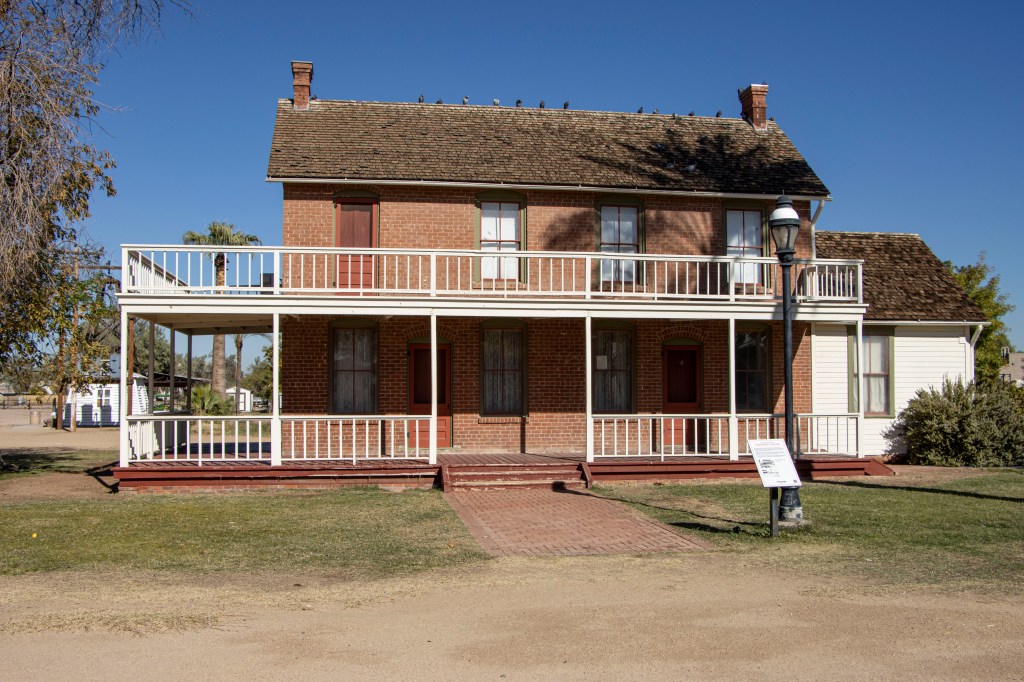
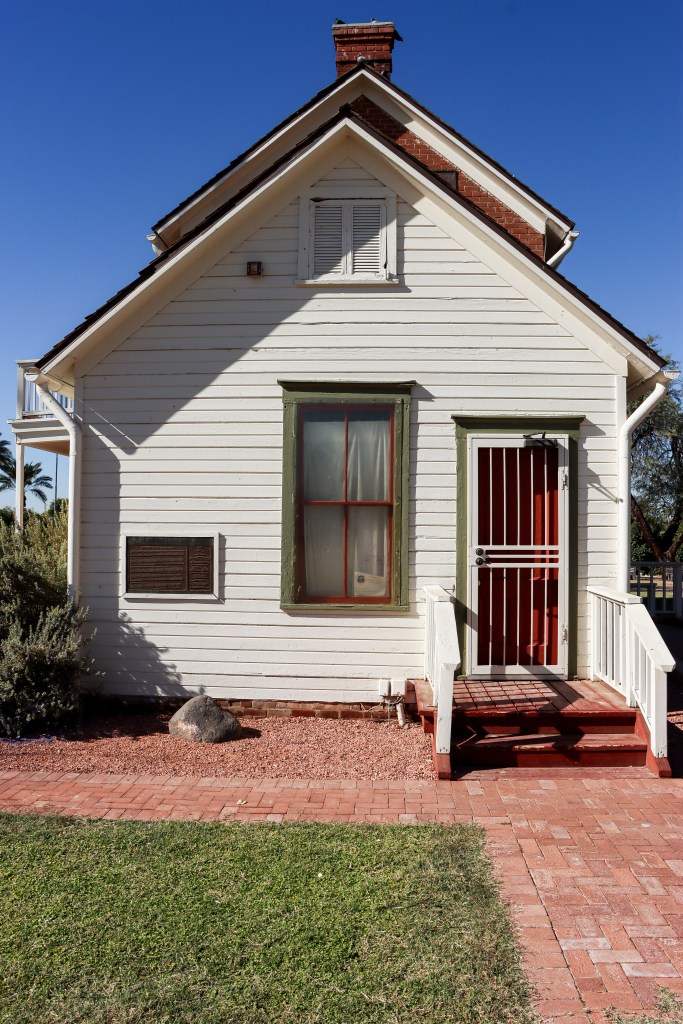
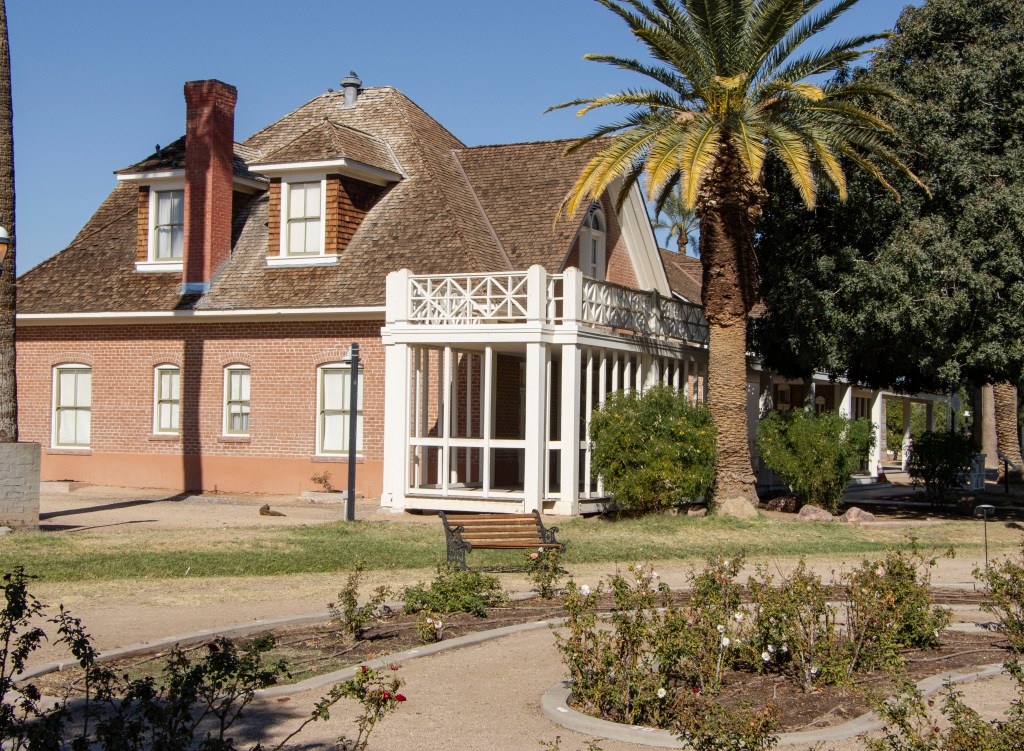
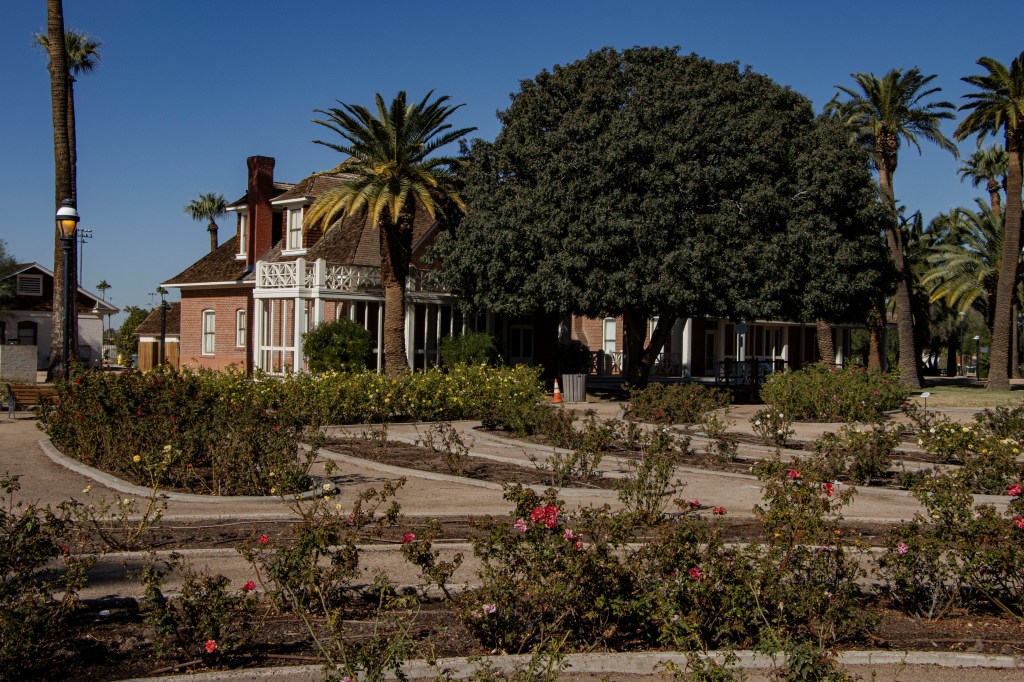
     The Sahuaro Ranch was founded in 1886 by William Henry Bartlett, a native of Illinois. The ranch, situated north of what would eventually become the city of Glendale, Arizona, was rich in figs, other fruit orchards, vineyards, and fields of alfalfa. The ranch has all its historical structures restored, and the Glendale Parks and Recreation Department administers the Sahuaro Ranch Park.

     On March 7, 1980, Sahuaro Ranch was listed in the National Register of Historical Places.

    Bartlett era (1880 – 1913)

     William Henry Bartlett and his brother were wealthy businessmen from Peoria, Illinois, who homesteaded lands in what was to become the future City of Glendale, founded by William John Murphy. What made an investment attractive was the completion of the Arizona Canal in 1885. The canal allowed 100,000 acres of desert land to be opened to homesteading and irrigation farming. The Homestead Act was a United States federal law that gave applicants ownership of farmland at no cost, known as a “homestead.”

     The Bartletts felt this was an excellent opportunity to invest in fruit ranching and farming. The brothers were owners of a grain brokerage business and were amongst the largest traders in the Midwestern farm belt.

     By 1891, William Bartlett had under his control 2,000 acres of farmland near Glendale. He established a 640-acre farm, which he named Sahuaro Ranch. It was there that he planted prominent citrus and pecan orchards. Even though he never lived permanently at Sahuaro Ranch, Bartlett took an active role in its development, having various buildings and residences constructed for the people who worked there and for his family. He hired superintendents to manage his ranch operations.

     In 1881, the first structure in what was to become the ranch was built. It was an adobe house that served as the residence and office of Stephen H. Campbell, the first superintendent to manage the ranch. In 1895, the superintendent’s residence was relocated to the main house of the ranch, and the adobe house was converted to accommodate the ranch employees. Bartlett had his hired hands plant figs and other fruit orchards, vineyards, and alfalfa.

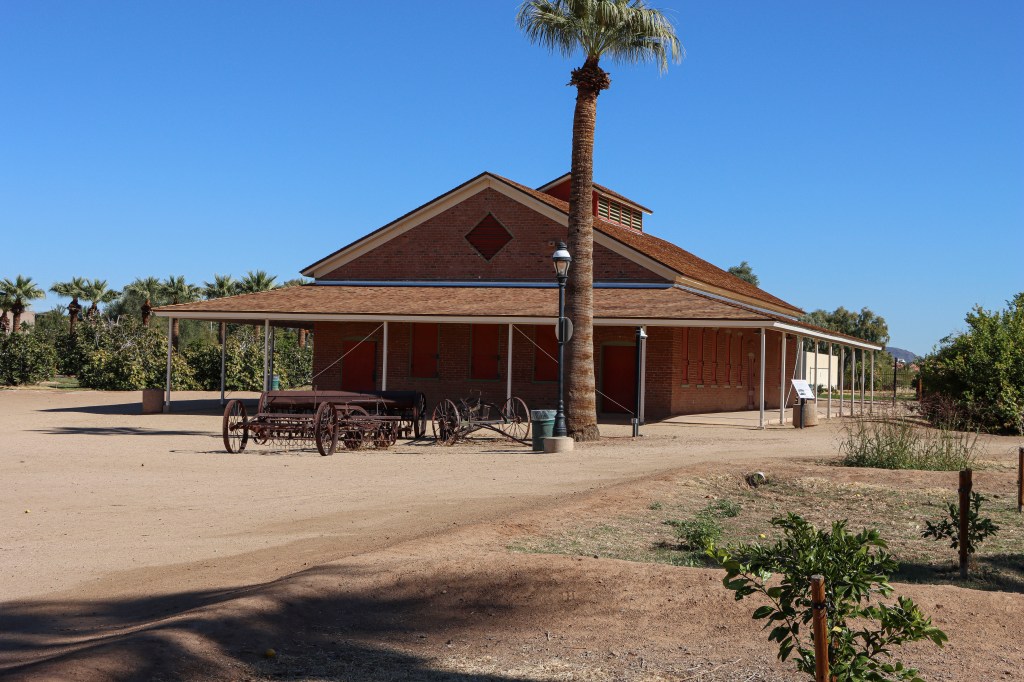
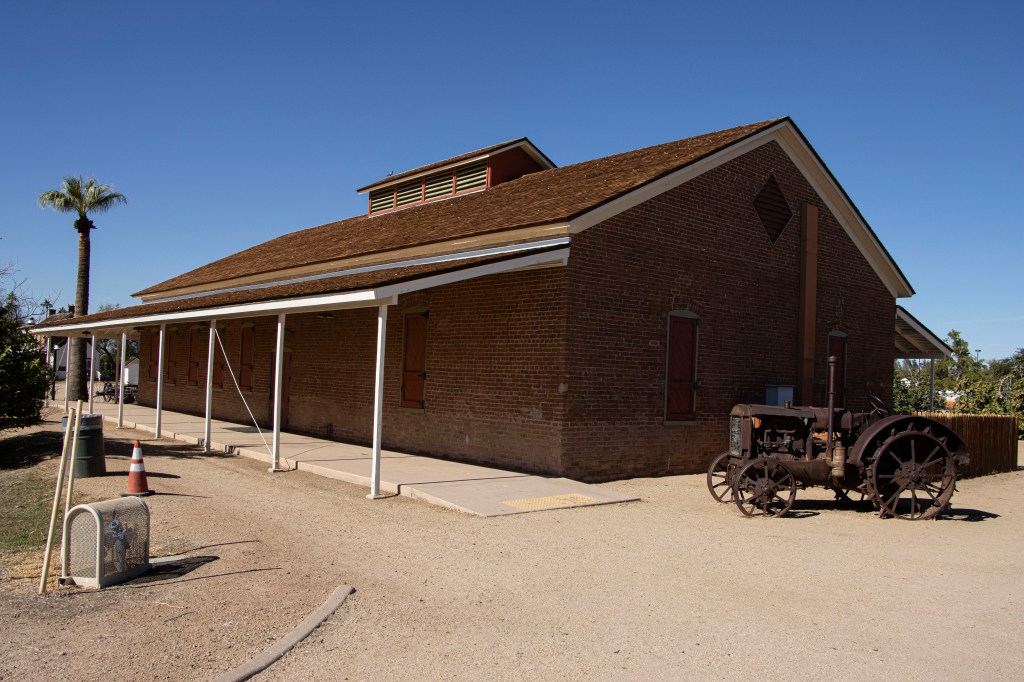
    Other structures built on the ranch in the 1890s included the Foreman’s House, the blacksmith shop, and the horse barn. The Fruit Packing House, the largest packing house in the Salt River Valley, was built in 1891.

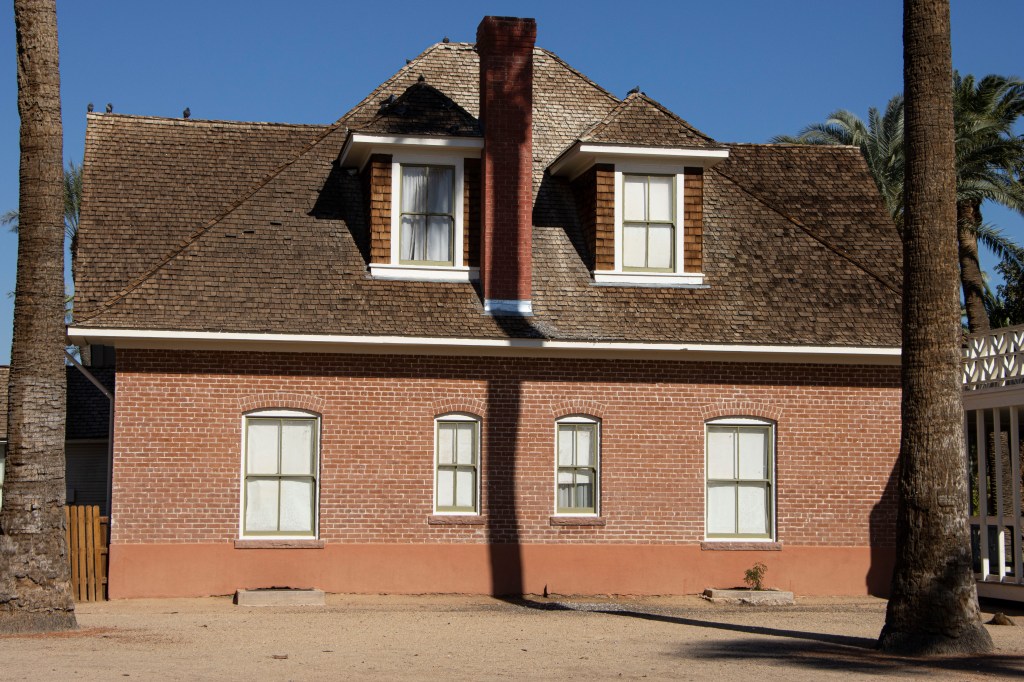
     The farm animals raised on the ranch included cows, bulls, and hogs. Between 500 and 1,000 hogs were raised on the ranch in the 1890s. Horses and mules were used to pull orchard wagons, mowers, and rakes. The Guest House was built in 1898. When Bartlett’s youngest son was stricken with tuberculosis while living in Chicago, his doctor recommended that he move to a warmer climate. Bartlett had the guest house building designed to accommodate the needs and comforts of his son and family.[3][5]

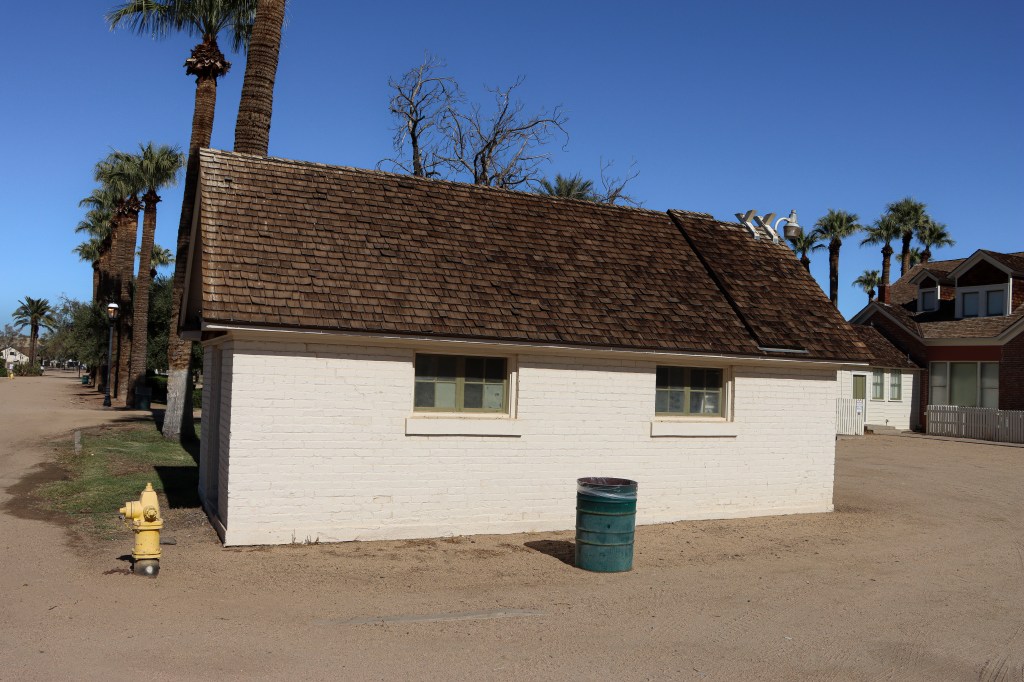
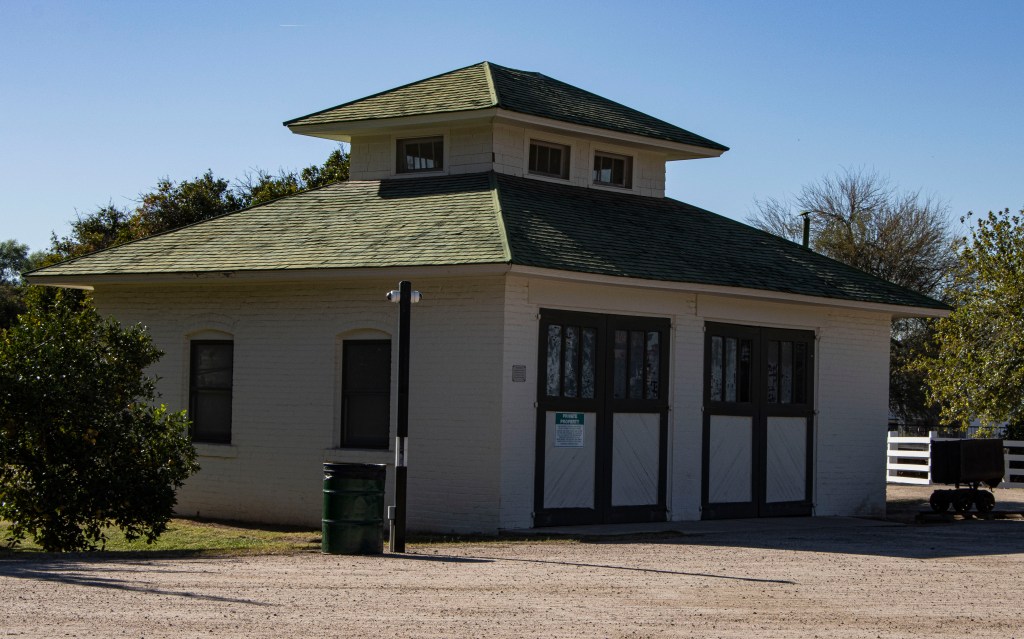
    In 1901, Bartlett had a pump house built for an oil-fired electrical generator. The pump house provided electricity to his ranch buildings with the help of a pump water. By 1905, the first automobiles were being used on the ranch, and Bartlett had a garage built to store his wagons and automobiles.

    Bradshaw (1913 – 1927) and Smith (1927 – 1977) eras

    In 1913, Peter E. Bradshaw purchased the ranch and planted long-staple cotton in 1915.

     In 1927, Richard W. Smith purchased the ranch and planted prominent citrus and pecan orchards.

     In 1928, Smith constructed a dairy barn and began raising dairy cows commercially. The milk from the cows was sold in bulk and shipped to local dairies in cans. Richard W. Smith died in 1944. His son, Richard S. Smith, inherited the farm and established a retail dairy on the ranch, known as the Sahuaro Jersey Dairy Milk House.

     In the early 1960s, 120 acres of the ranch were sold to develop the Glendale Community College campus.

     In 1966, the City of Glendale, under the initiative of then-Mayor Max Klass, began a process to purchase 80 acres of the original 640-acre ranch. In 1977, the purchase was made possible by a federal grant, and the City of Glendale proceeded to restore the historical structures on the ranch. After the City of Glendale purchased the land, Richard S. Smith was allowed to lease the ranch until 1980.

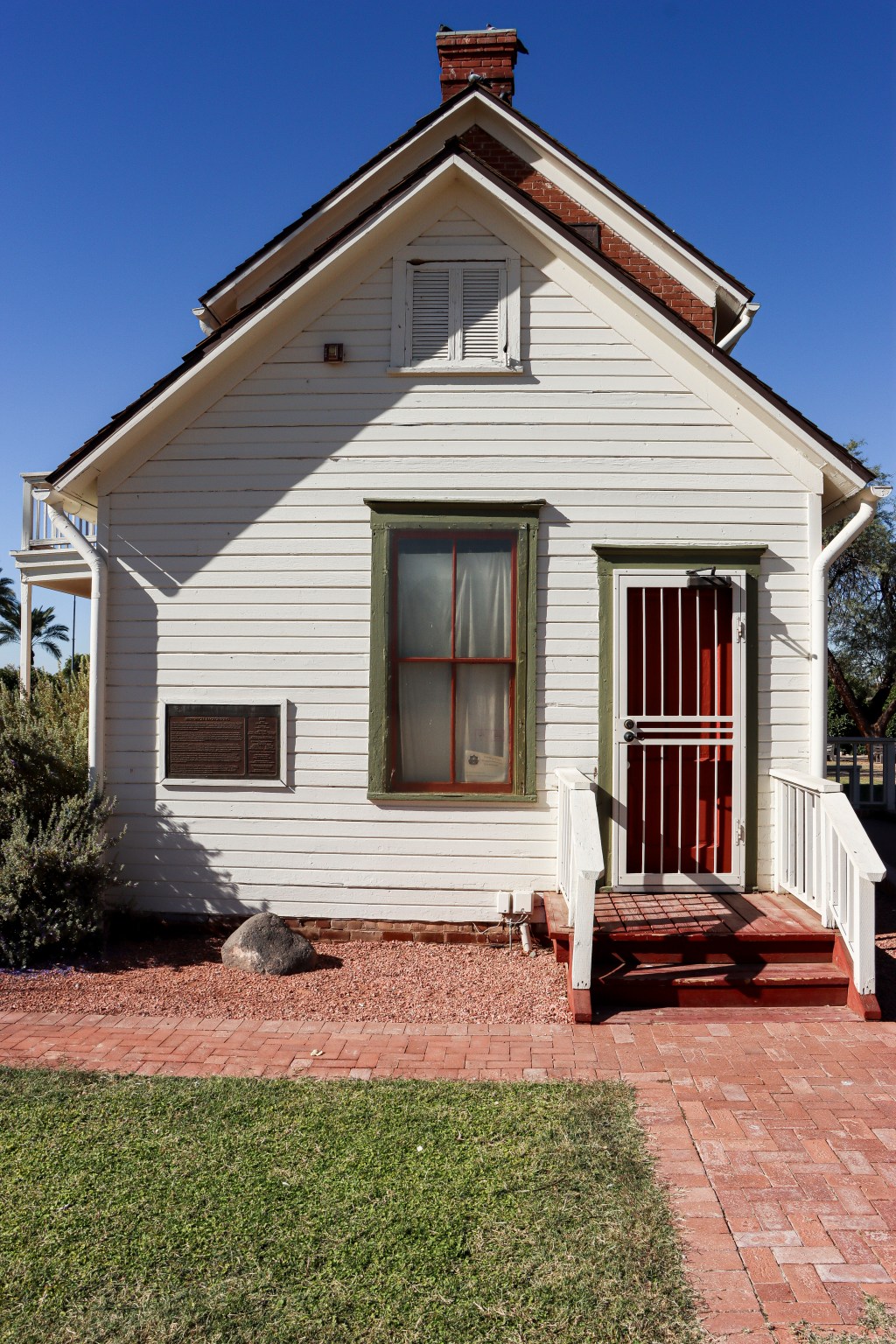
     On March 7, 1980, Sahuaro Ranch was registered on the National Register of Historic Places after the city applied for the registration of 17 acres of the ranch. The ranch is open to the public and can be found at 9802 North 59th Avenue, Mountain View.

    The Sahuaro Ranch Fire

     In September 2017, the ranch site was hit with a string of fires on September 18, 23, and 26. The blacksmith shop, granary building, and the milk house, all caught fire and were permanently destroyed. This was a terrible loss of critical historical assets for the community. The park would be closed on September 26, 2017, to facilitate an investigation into the fires and reopened the following day.

  • Street Photography: An Educational Experience

    Street Photography is a new one for me. I have done people, animals, objects, and buildings. However, trying to get images of the streets during the day or night was a much harder task than I originally thought.

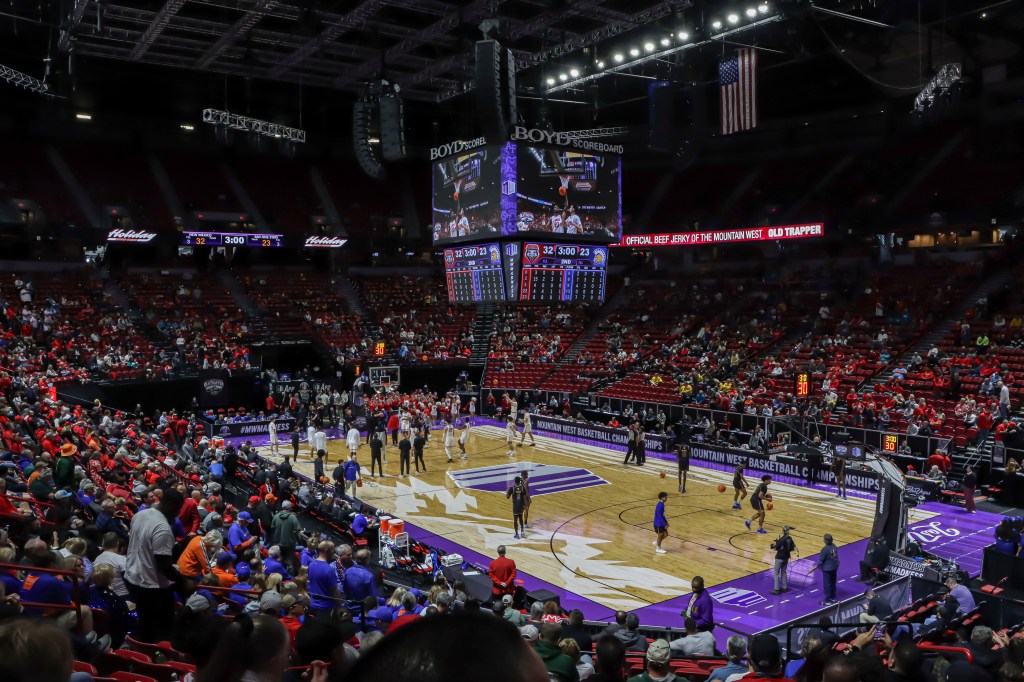
    I wanted to give it a go and see what happened. We had recently been in Vegas to see the Mountain West College basketball game (by the way, it was a good tournament). A photo of the main court is below.

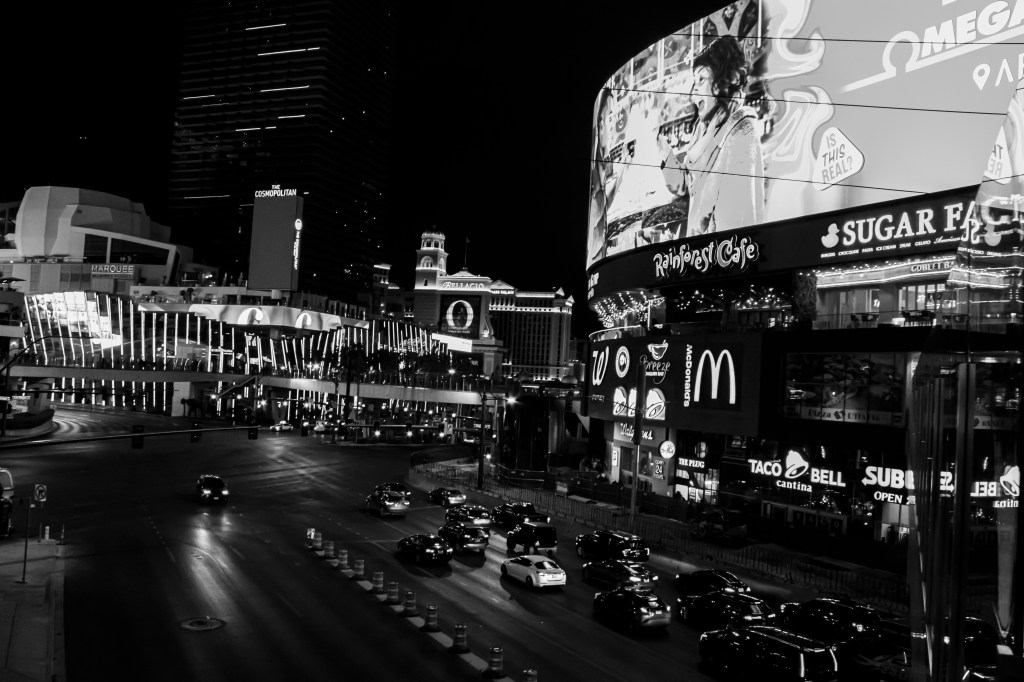
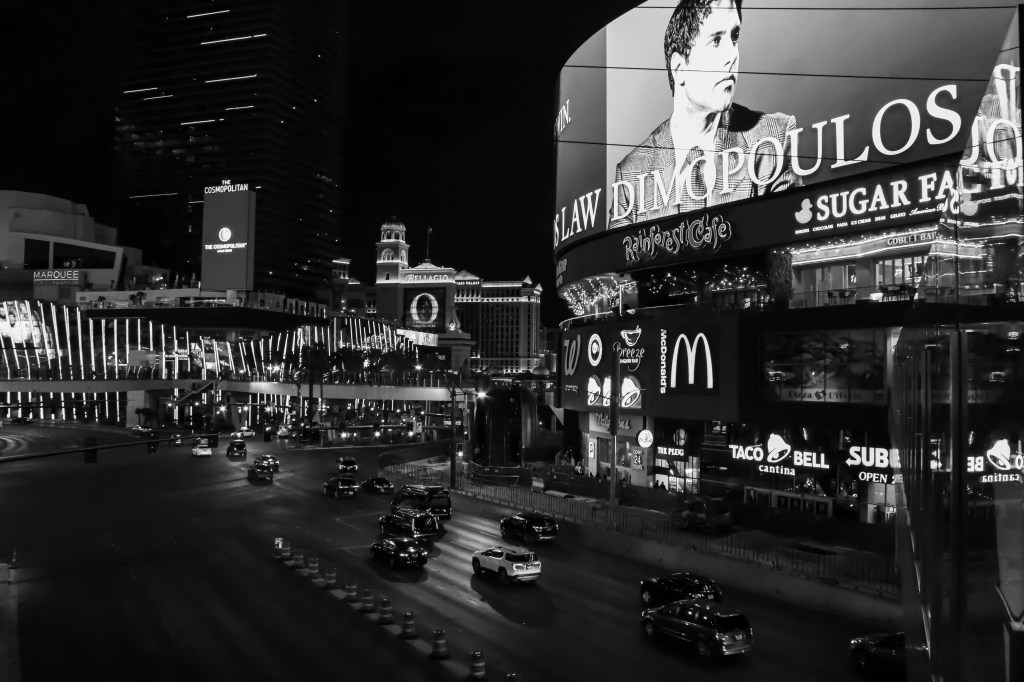
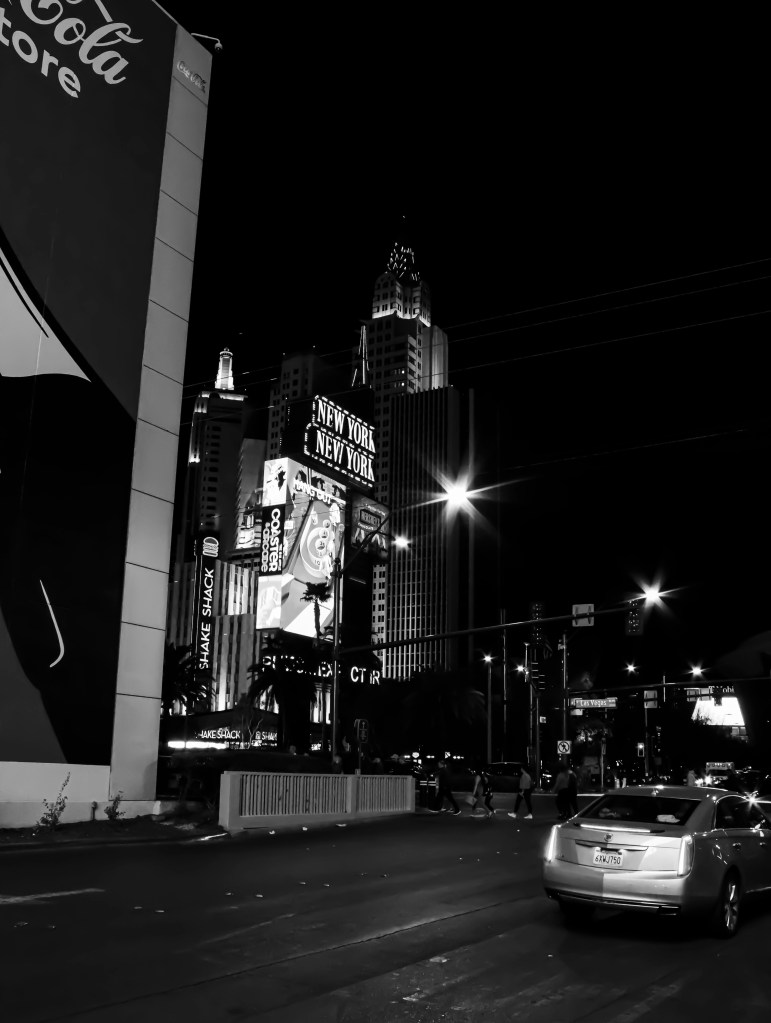
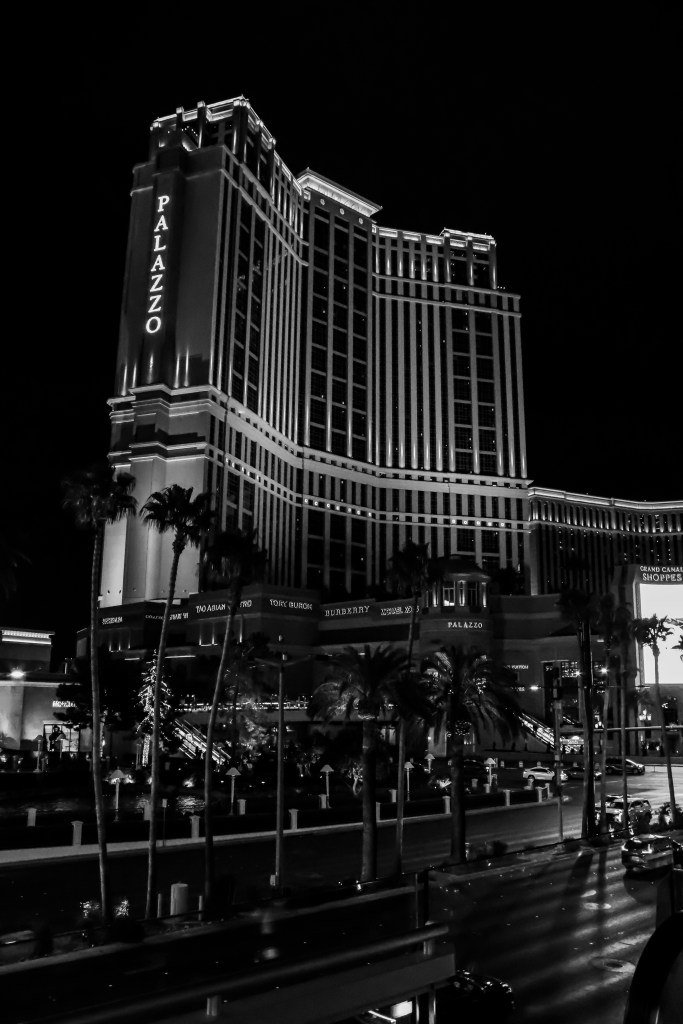
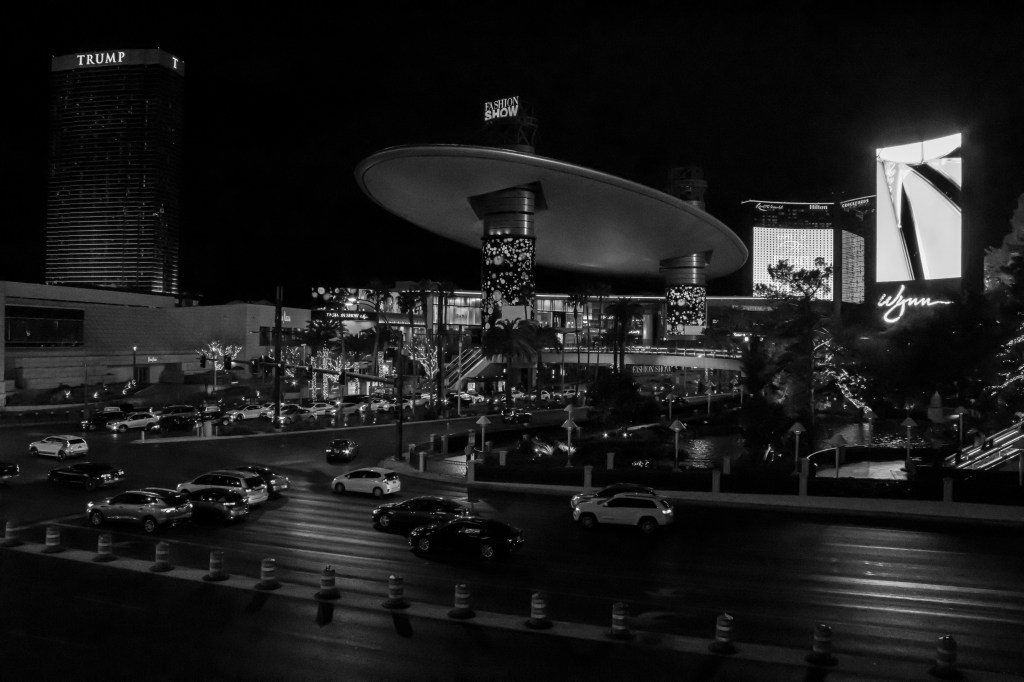
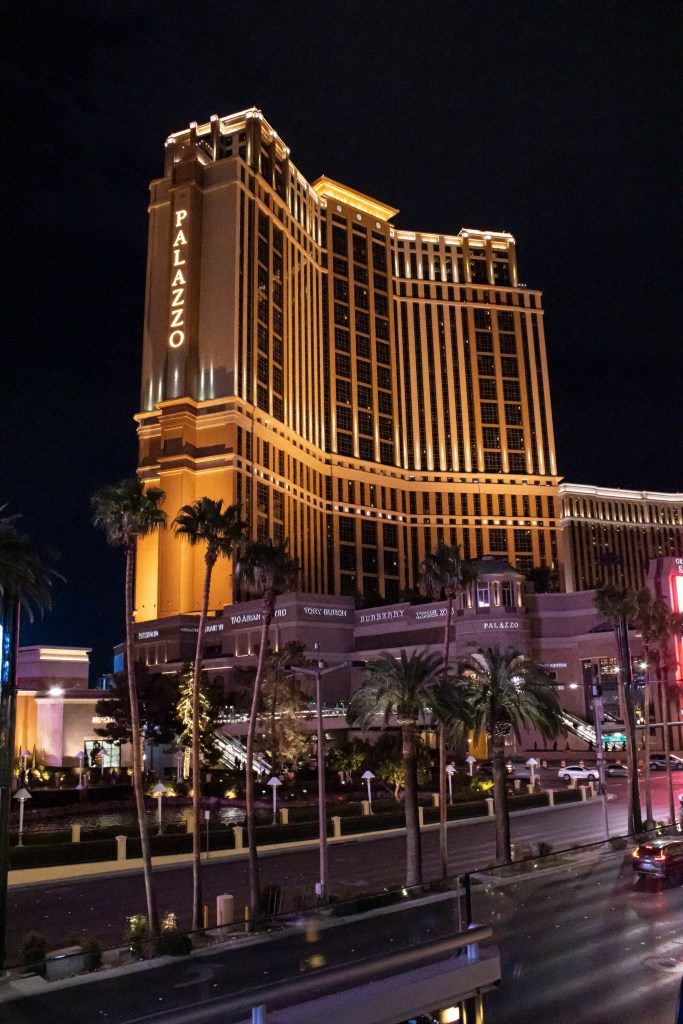
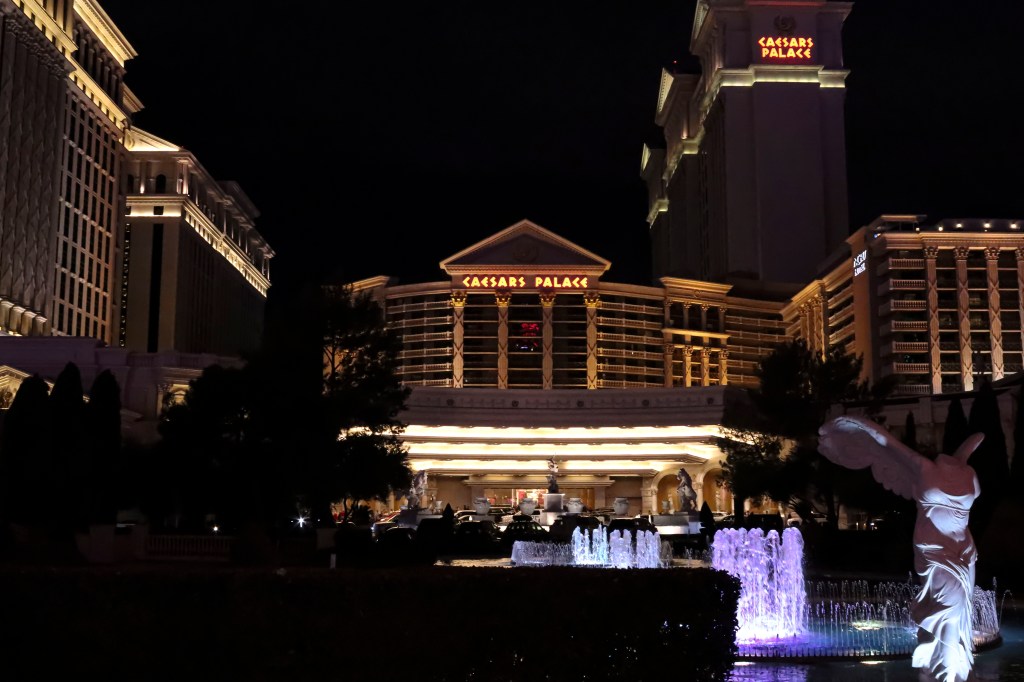
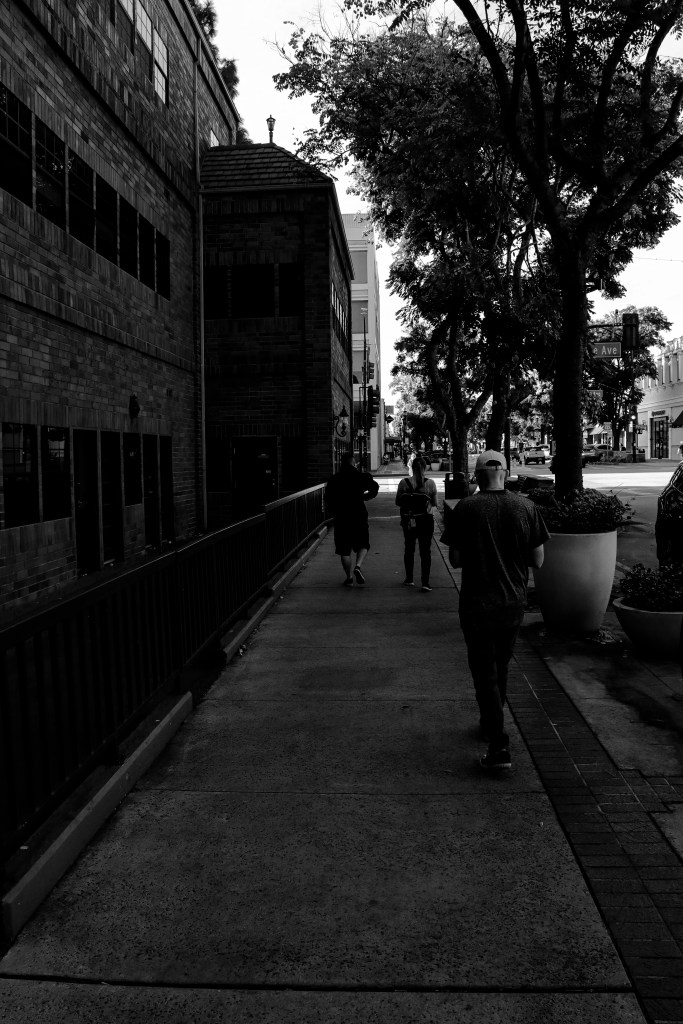
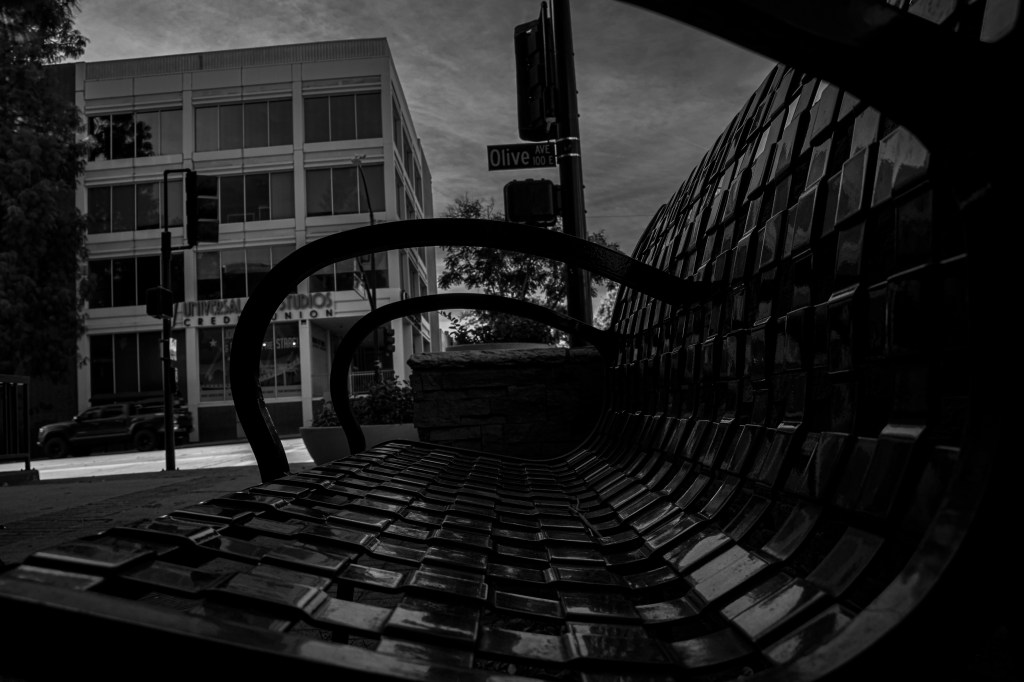
    I have to say some of the shots came out really good, and others I felt could have been better, but it was my second and third attempt. Here are some of my shots that I captured while we were walking to strip in Vegas.

    Some of them I felt were better in black and white than leaving it in the original color images. However, I found some pictures I liked and kept them in their original settings. Other than adjusting their exposure, and details.

    I kept the settings consistent. My Shutter speed was kept around 1/100, my aperture hovered between f8 to f f10, and my ISOs were adjusted between 3200 and 6400. I did raise it up to 10000. That one was wild. When I entered Adobe Bridge, I had to change the luminance and raise it to around 75-80. That allowed me to eliminate the noise in the image from the high ISO settings.

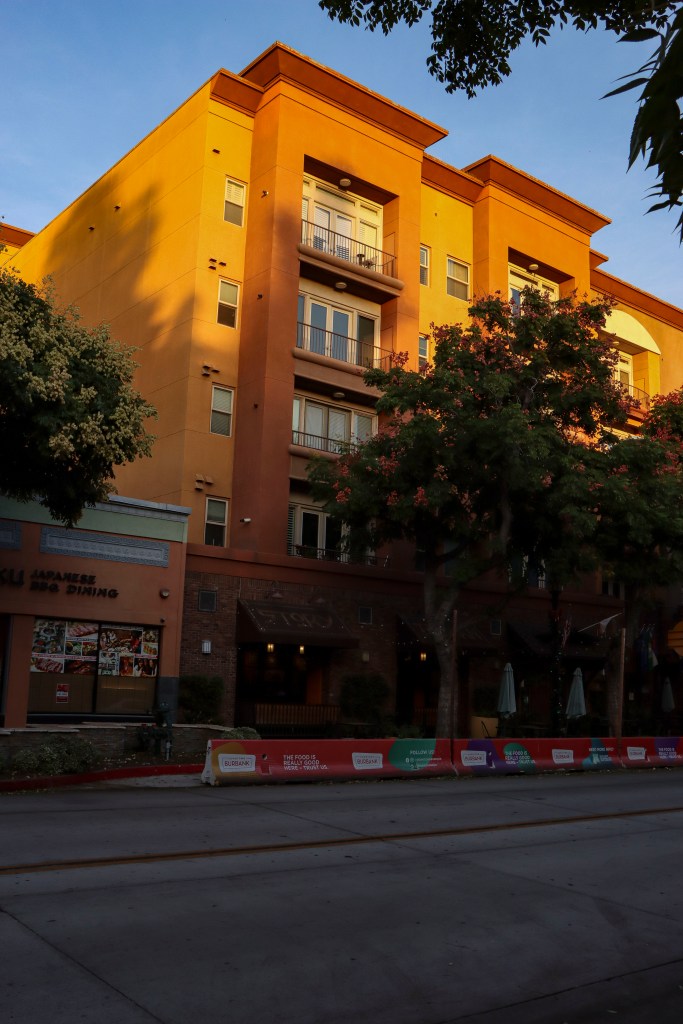
    It’s still a work in progress, especially since it happens at night. I do have some that I took in Burbank a couple of months ago. They came out a little better, but it did help that the shots were taken during the day.

  • Bird Watching: Capturing Nature’s Beauty

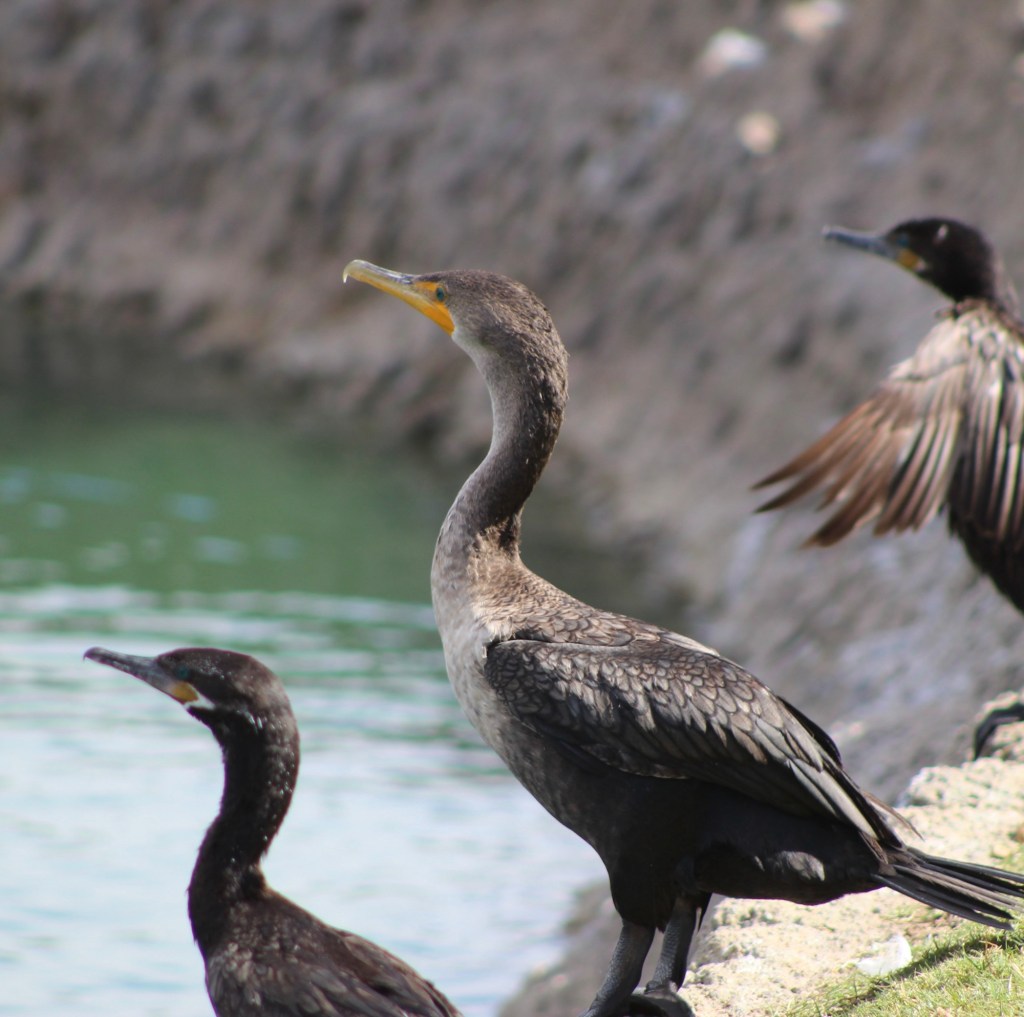
    Normally, when I go to the park, I just enjoy sitting there, watching the water move around, the blue skies, and the peaceful air. However, over the past few years, I have been capturing shots of birds to see how they turn out. I always wondered what kind of photos I could capture if I took the time out of the day. The results were quite interesting, and it grew into a fun interest. I could work on my photography skills and capture some of nature’s most beautiful birds.

    Bird Watching would become a thing for me. It could be time-consuming but also rewarding once you are able to establish a plan of how you want to capture them in images. I would sometimes sit out there for hours in the morning. I would bring a book, some water, my camera, and an iPhone to play some quiet jazz while I plan my shots. Reading actually helped me think about what shots I wanted to take.

    Then the time had come, and from there I was able to just click as many shots as I could. When I take photos, I like to take very many of them. I will alter the settings like the Shutter Speed, Aperture, and ISOs. I do it because I want as many different shots as I can. I feel that the more images I have, the more options I have for final edits.

    While it can be challenging and time-consuming as I mentioned, the final results can be very rewarding. I never took the time to see the beauty of birds in general. My only thoughts about them were when they would use the bathroom on my car after I washed it.

    This experience gave me a new perspective. Not only did I start to enjoy photographing them, but I also even took the time to learn about some of them. I didn’t think there were that many different varieties of birds.

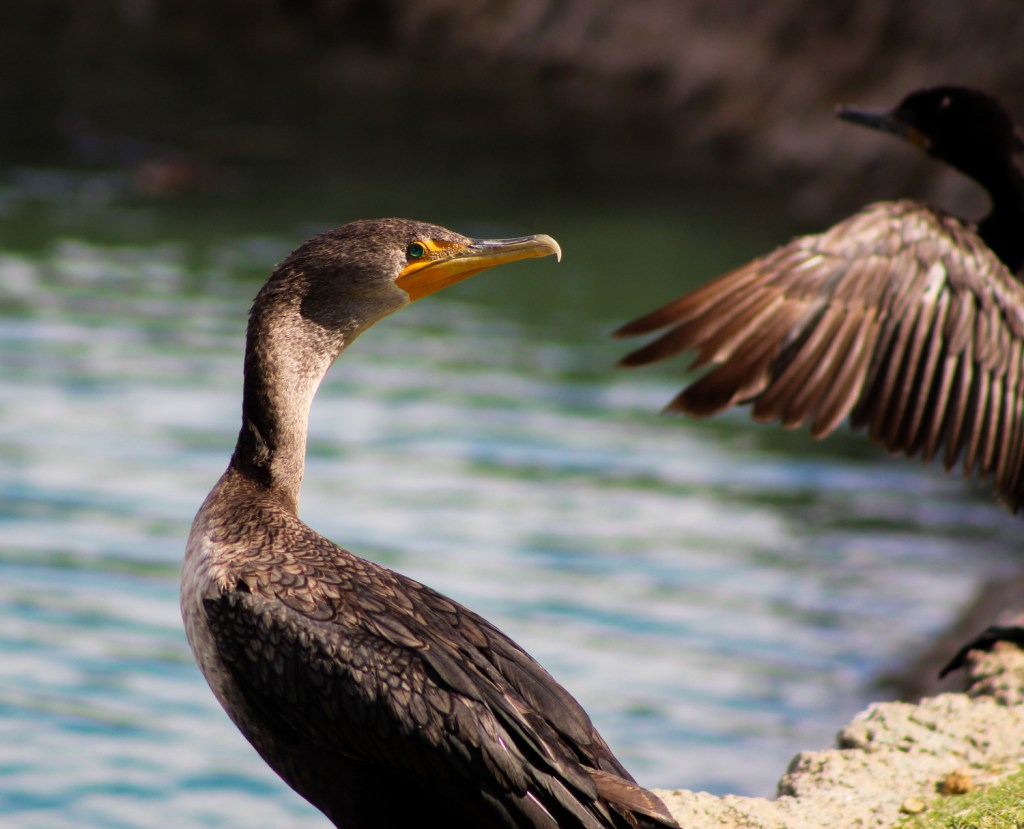
    For the Photographers, I kept my shutter speed around 1/200-1/250. My Aperture was around F 5.4-7, and my ISO was kept at 100. Once you are able to get a rhythm of how to take photos, the settings become second nature to you. The camera I am using is a Canon EOS 90D. A very effective one with excellent attributes.

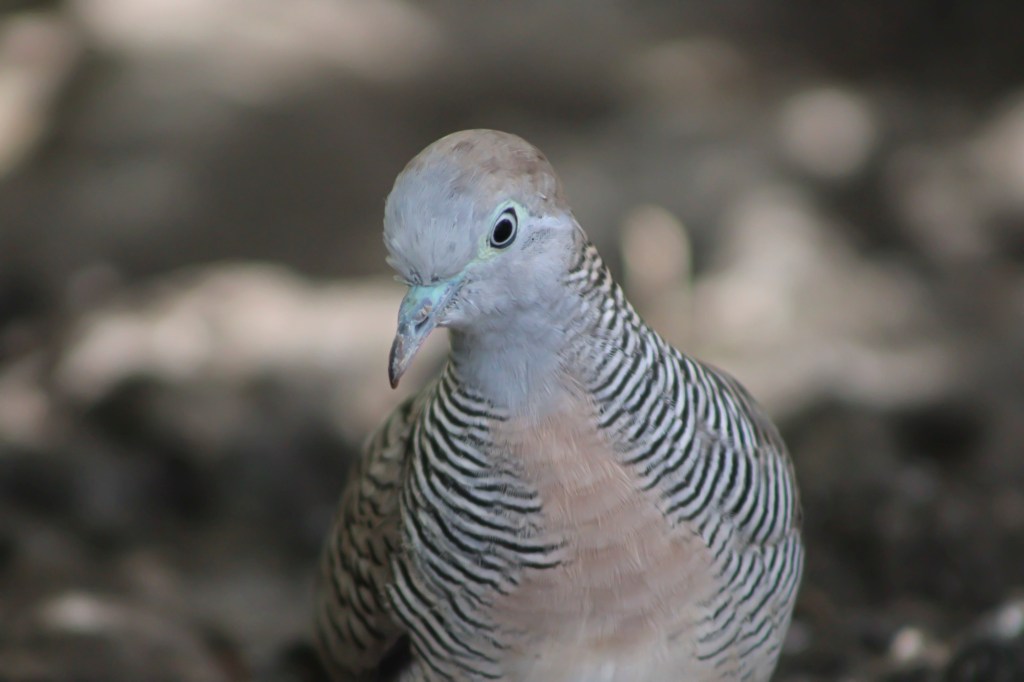
    Recently, I was in Hawaii and did some bird watching there as well. Here are some of the results. I was pretty satisfied with how these turned out.

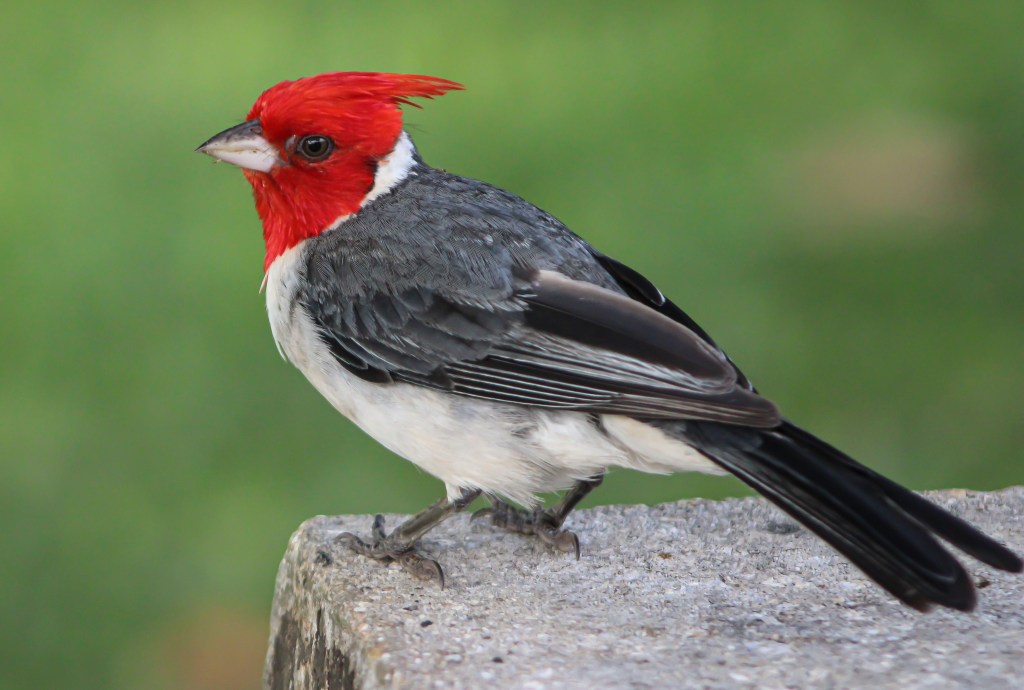
    And my favorite one that I got to capture on film was this one.
    Red Crested Cardinal
    Red-Crested Cardinal

    This experience was one of the most fun I had with my camera. While I have slowed down my bird watching recently and moved on to other things. I still like to scroll through my album from time to time, and even once in a while go to other parks and see what I can find just for the memories.

  • Billy Joel’s “My Life”. A quick review

  • Manistee Ranch. A Farm with History.

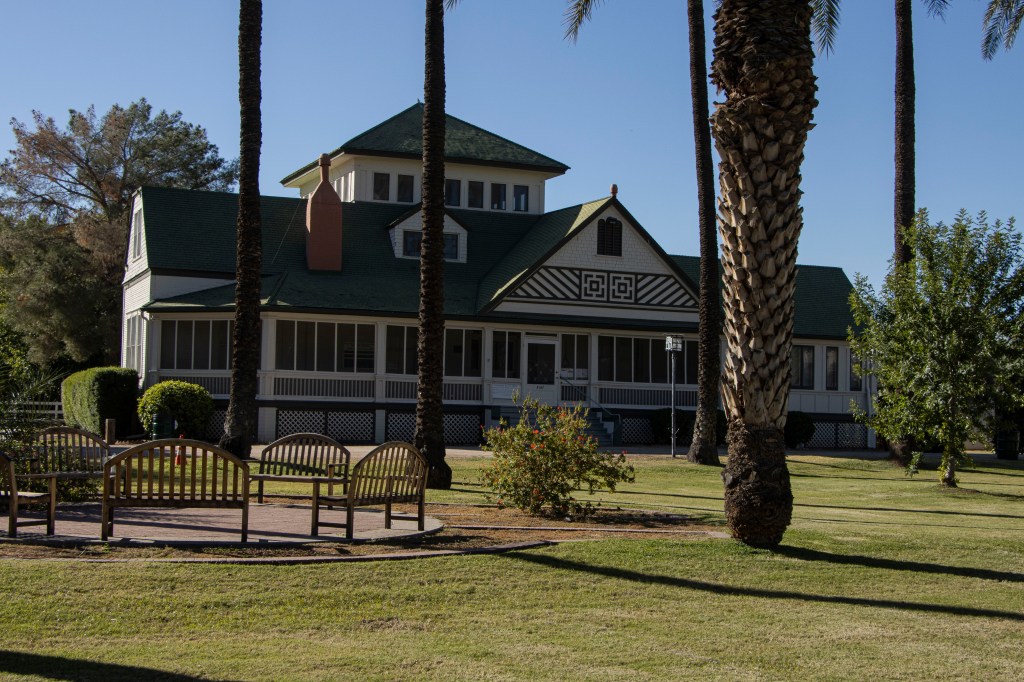
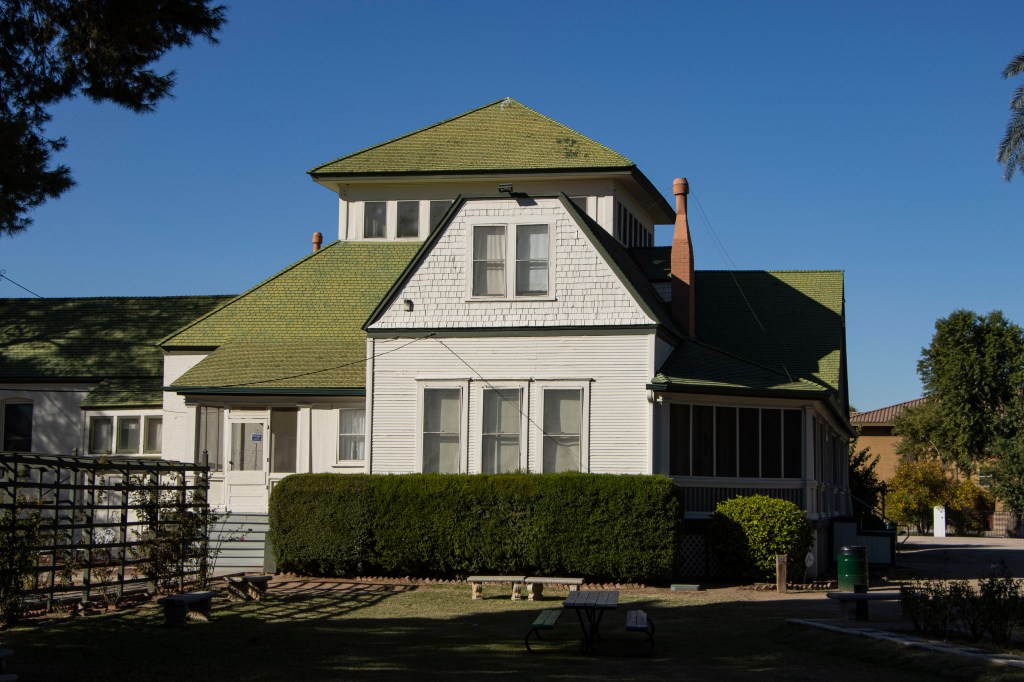
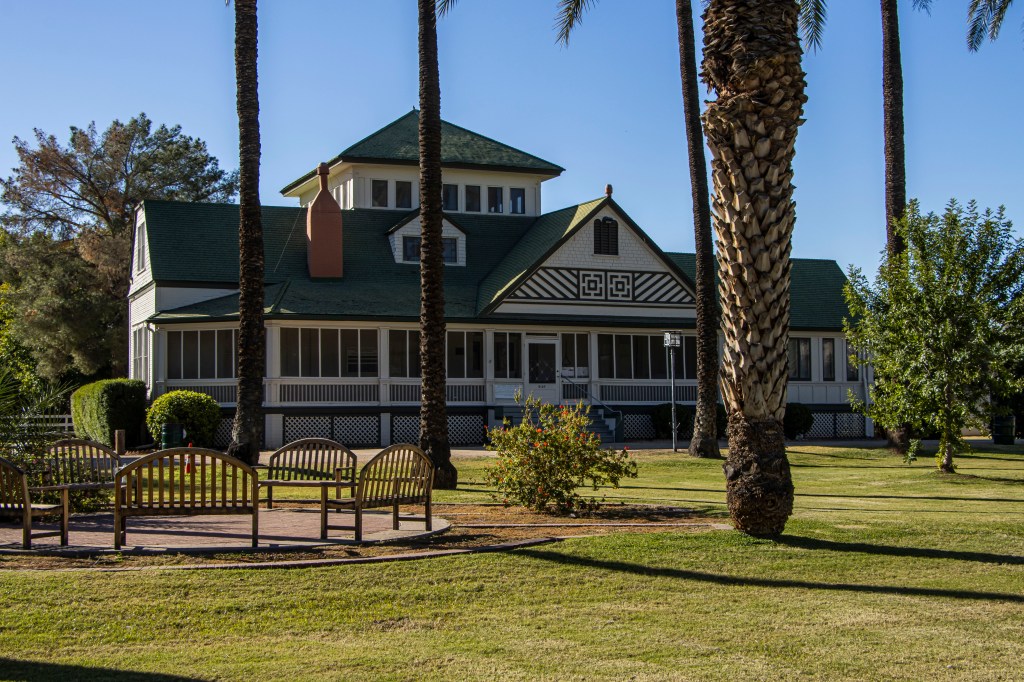
    Then Manistee Ranch is a unique and interesting place to see if you are ever in Glendale, Arizona. The Ranch was built by Herbert W. Hamilton in 1897 and was known for its richness in fruits and dates.

    Hamilton Era (1897-1907)

    Hamilton was a baron from Wisconsin who was homesteading lands in what is now known as the City of Glendale which was founded by William John Murphy. Hamilton was attracted to the land because of the completion of the Arizona Canal in 1885. The canal allowed 100,000 acres of desert land to be opened up for potential homesteading and irrigation.

    In 1897, Hamilton would control 320 acres of farmland in Glendale. He would convert it into a farm that would grow citrus and dates. The home that he would build was rather odd from the normal homes that were built around Glendale in the period. Hamilton had the home designed in “Queen Victoria Style” and had a “Sky Parlor”, which is a square windowed tower rising above the building’s center.
    Sands Era (1907-1996)

    In 1907 Hamilton would sell the farm to a gentleman named Louis M. Sands, a native from Manistee, Michigan. Sands was a businessman, and prominent businessman. Sands would name the ranch after his hometown. Sands would also develop farming techniques for rotating cattle pastures to work within the limits of the land that he owned.

    Besides harvesting feed for the livestock, which included cattle, sheep, horses, ducks and chickens, the farm workers also harvested dates which at the time were sold for 25¢ a pound. Over 11 different species of palm trees were planted. Currently there are some palm trees on the property which are over 100 years old.

    To find out more about the ranch, feel free to click on the links I posted below.

    Sources

    1. National Register of Historical Places
    2. ^ Phoenix Magazine
    3. ^ Sahuaro Ranch Park Historic Area Archived 2012-10-12 at the Wayback Machine
    4. ^ “Homestead National Monument: Frequently Asked Questions”. National Park Service.
    5. Jump up to:a b Glendale, AZ
    6. ^ Marker
    7. Jump up to:a b c d Manistee Ranch Historic Park Archived 2012-10-12 at the Wayback Machine
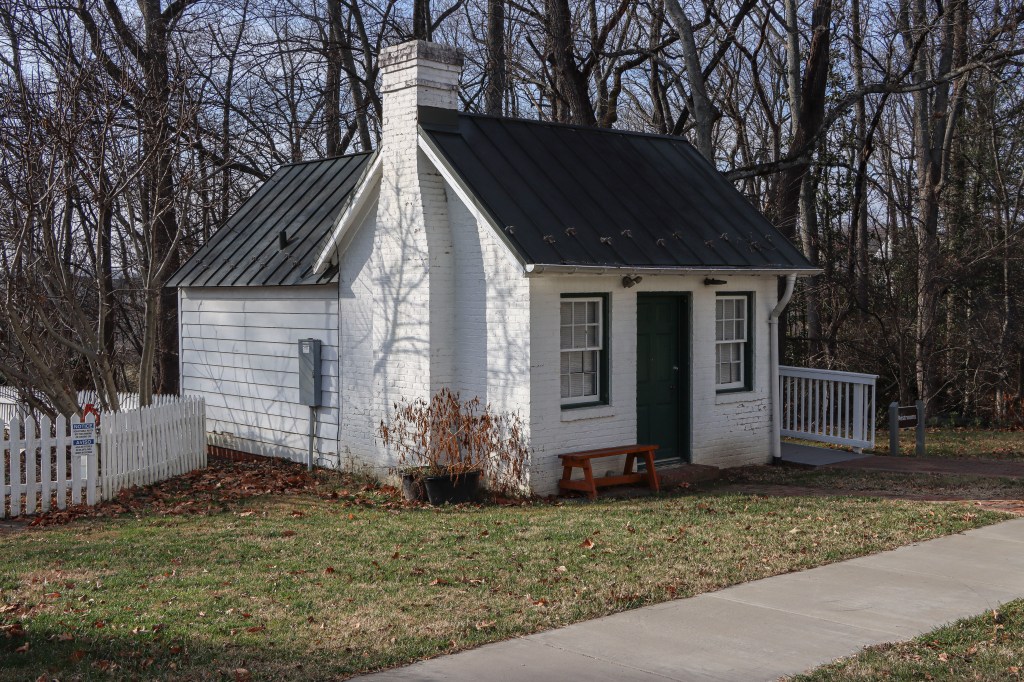
  • Rippon Lodge: A Journey Through Virginia’s Heritage

    The Rich History of Rippon Historic Lodge

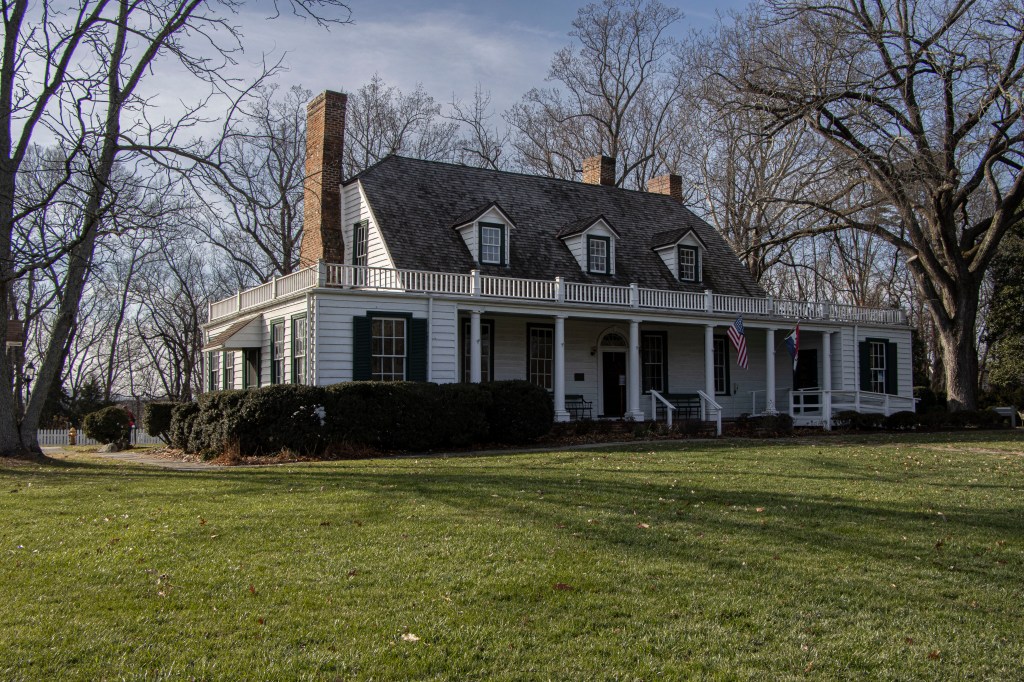
    Nestled in the charming landscapes of Prince William County, Virginia, Rippon Lodge stands as a testament to centuries of history, heritage, and architecture. As one of the oldest houses in the county, this historic gem has witnessed the evolution of a nation, the shifting tides of social and economic change, and countless stories of the families who called it home.

    The Early Years

    Rippon Lodge traces its origins back to 1725, when Richard Blackburn, an English immigrant, constructed the home. Blackburn, a prosperous tobacco planter and merchant, strategically positioned the lodge near the Potomac River, ensuring easy access to water routes for trading his goods. The house, built with a blend of stone and timber, showcased the colonial architectural style of the time and stood as a symbol of wealth and influence in the growing region.

    The property originally spanned over 21,000 acres and was a bustling hub of agricultural activity, primarily focused on tobacco. The name “Rippon” is believed to have been inspired by Ripon, a cathedral city in North Yorkshire, England, reflecting Blackburn’s English heritage.

    The Blackburn Family Legacy

    The Blackburn family was instrumental in shaping the early history of Prince William County. Richard Blackburn’s son, Colonel Thomas Blackburn, inherited Rippon Lodge after his father’s death. Thomas was an ardent supporter of the American Revolution, serving as a colonel in the Virginia militia and forging close ties with George Washington. His leadership during the Revolutionary War further cemented the Blackburn family’s legacy in the region.

    Thomas Blackburn expanded the lodge and maintained its prominence as a working plantation. However, like many plantations of the era, its prosperity was tied to the labor of enslaved individuals. The history of Rippon Lodge is incomplete without acknowledging the contributions and sacrifices of those who were forced to work the land under unjust conditions.

    A Century of Change

    Rippon Lodge changed hands multiple times throughout the 19th and early 20th centuries. During this period, the estate’s fortunes waxed and waned, reflecting the broader economic and social changes in Virginia and the United States. As tobacco farming declined and industrialization reshaped the economy, Rippon Lodge gradually transitioned from an agricultural estate to a residential property.

    In the early 1900s, the lodge was purchased by Wade Ellis, a wealthy attorney, and later by Judge Wade H. Ellis, a prominent political figure. Ellis renovated the house extensively, preserving its historical charm while modernizing it to suit contemporary living standards.

    Preservation and Public Access

    In 2000, Prince William County acquired Rippon Lodge, ensuring its preservation for future generations. The county embarked on a meticulous restoration project, uncovering original architectural features and piecing together the lodge’s layered history. Today, Rippon Lodge stands as a historic site open to the public, offering guided tours, educational programs, and community events.

    Visitors can explore the beautifully restored house, wander through the lush gardens, and enjoy breathtaking views of the Potomac River. The surrounding grounds, which include a cemetery, walking trails, and interpretive signage, provide a glimpse into the lives of those who lived and worked at Rippon Lodge over the centuries.

    Rippon Historic Lodge is more than just a building; it is a living history book that tells the story of Virginia’s colonial past, its role in the American Revolution, and its transformation over time. Whether you’re a history enthusiast, an architecture admirer, or simply someone seeking a peaceful retreat steeped in heritage, Rippon Lodge offers an unforgettable journey into the past.

    Plan your visit to Rippon Lodge today and step into a world where history comes alive!

  • Estrella Star Tower, Arizona. A wonder.

    Estrella Star Tower is an interesting design of architecture. As I have dived further into my photography, I have wanted to capture more items like buildings, people, and pursue projects. I have also been finishing my associate’s in history that I should complete this fall. The plans to advance it to a bachelor’s the following year. With that said, I realized that I could utilize my education in photography and combine it with History.

    This piece will be the first in what I hope to a series of historical sites captured with context added about it.

    Today, I will cover the Estrella Star Tower.

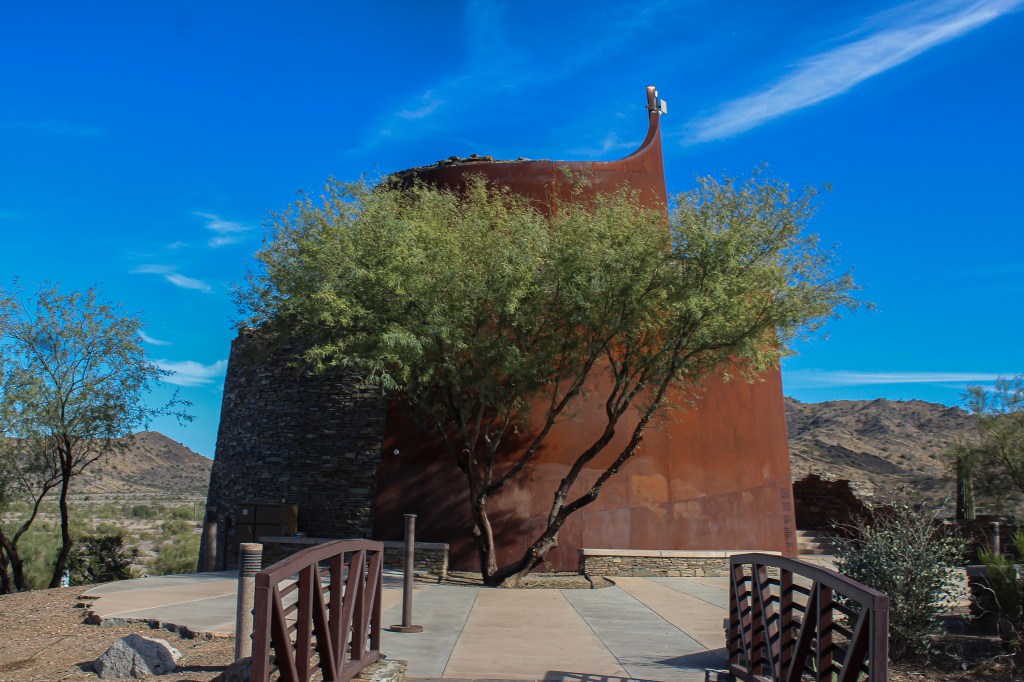
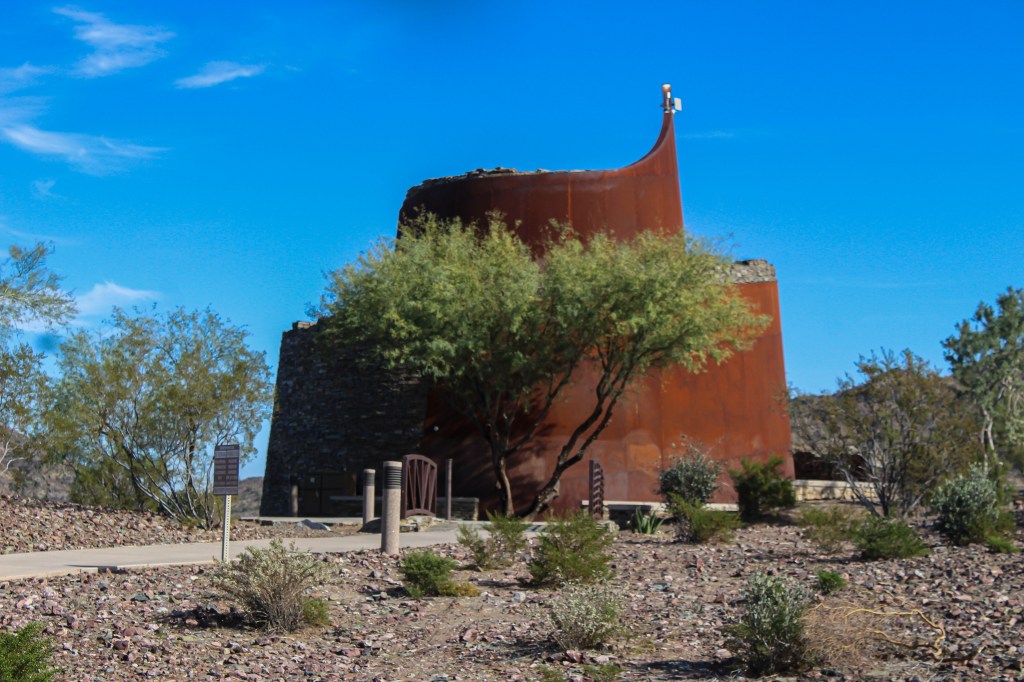
    The Estrella Star Tower, located in Goodyear, Arizona, is a striking architectural feature designed to blend art, astronomy, and local culture. Completed in 2012, the tower is an integral part of the Estrella community, a master-planned area near the Estrella Mountain Regional Park.

    The tower stands 50 feet tall and features a spiraling structure made of rust-colored steel and stone, representing the desert’s natural hues. At night, it comes alive with star-shaped cutouts that align with the celestial patterns of the Arizona night sky. This alignment celebrates the region’s long history of stargazing, from Native American cultures who navigated and told stories using the stars to modern astronomy in Arizona.

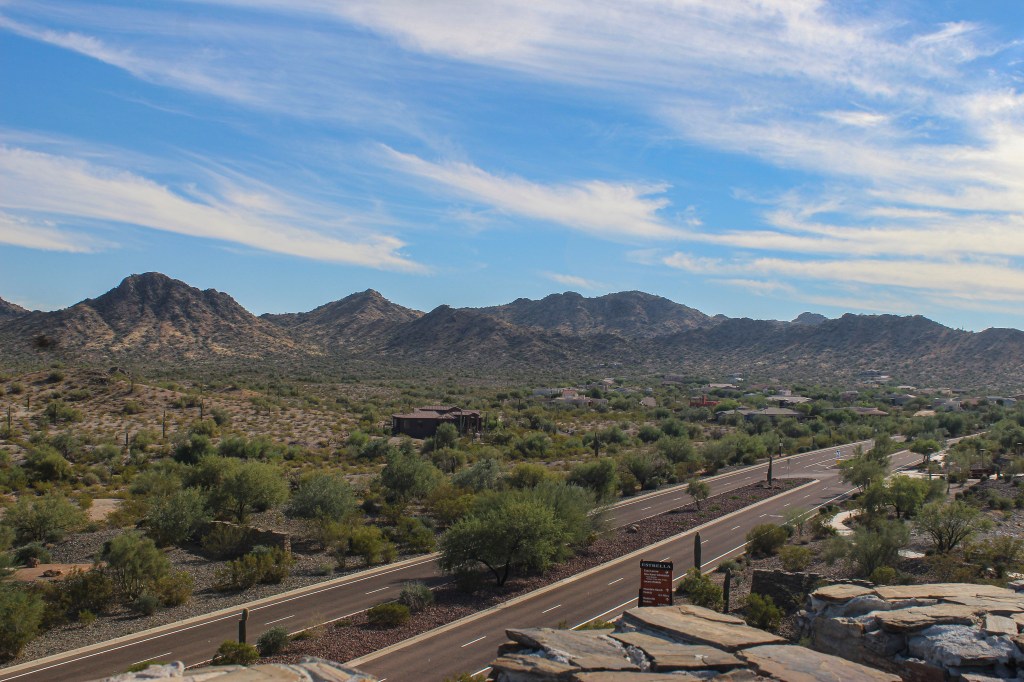
    The tower was conceptualized as both a work of public art and a functional space. Visitors can ascend the interior spiral staircase to enjoy panoramic views of the surrounding desert and mountains. Its design is meant to inspire a connection between the earth and the cosmos, reflecting the beauty and serenity of the natural environment.

    In addition to its aesthetic appeal, the Estrella Star Tower symbolizes community and exploration, making it a focal point for gatherings and a popular destination for residents and visitors alike. Its innovative design and cultural significance have solidified its place as an iconic landmark in the West Valley.

    The Views are quite beautiful when you are up at the top.

  • “The Architectural Heritage of Glendale”

    I recently did a photography project on architecture in Glendale. This was my presentation.

    My project explores the transformation of Glendale, Arizona, through its architecture, chronicling its journey from a small, historic town to a modern and urban area. Each photograph captures the essence of Glendale’s architectural evolution, presenting a visual timeline that will highlight the city’s ability to honor its past while embracing its future.

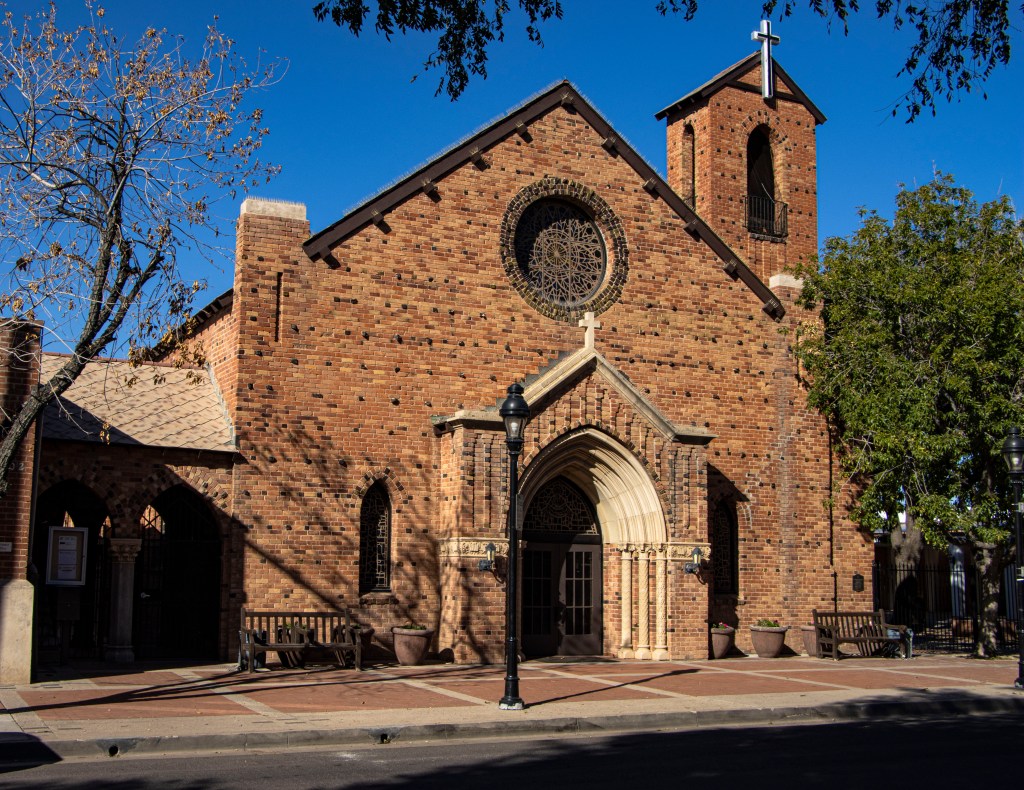
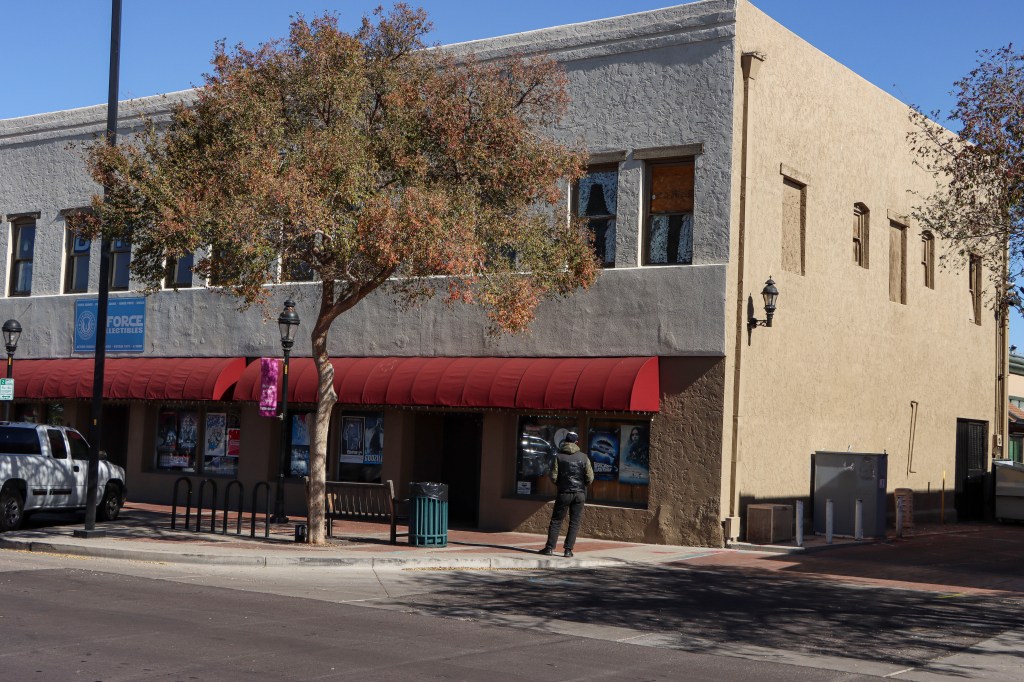
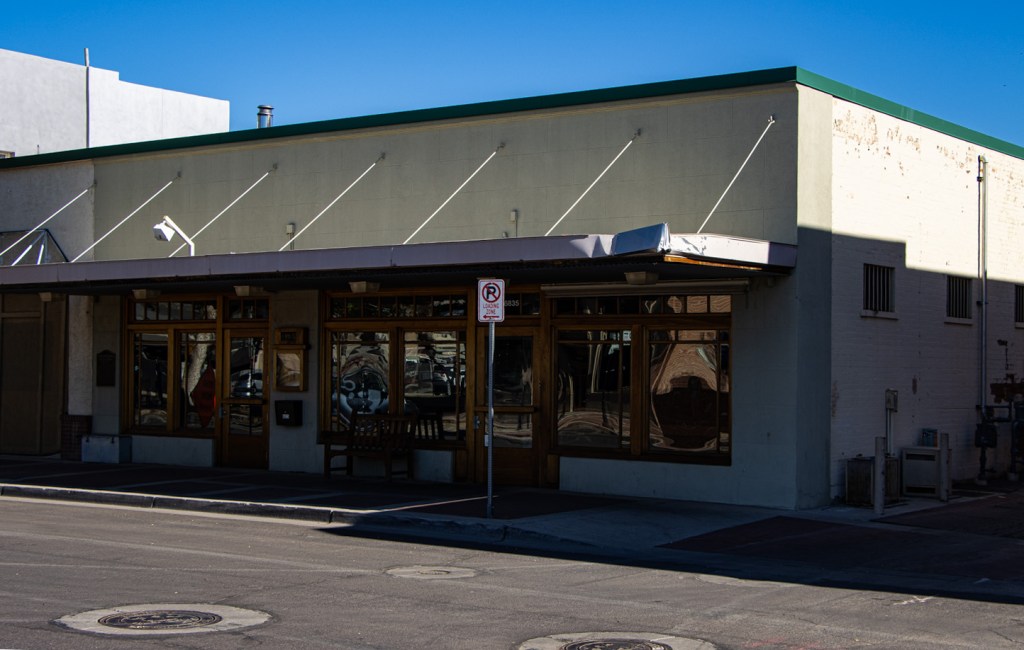
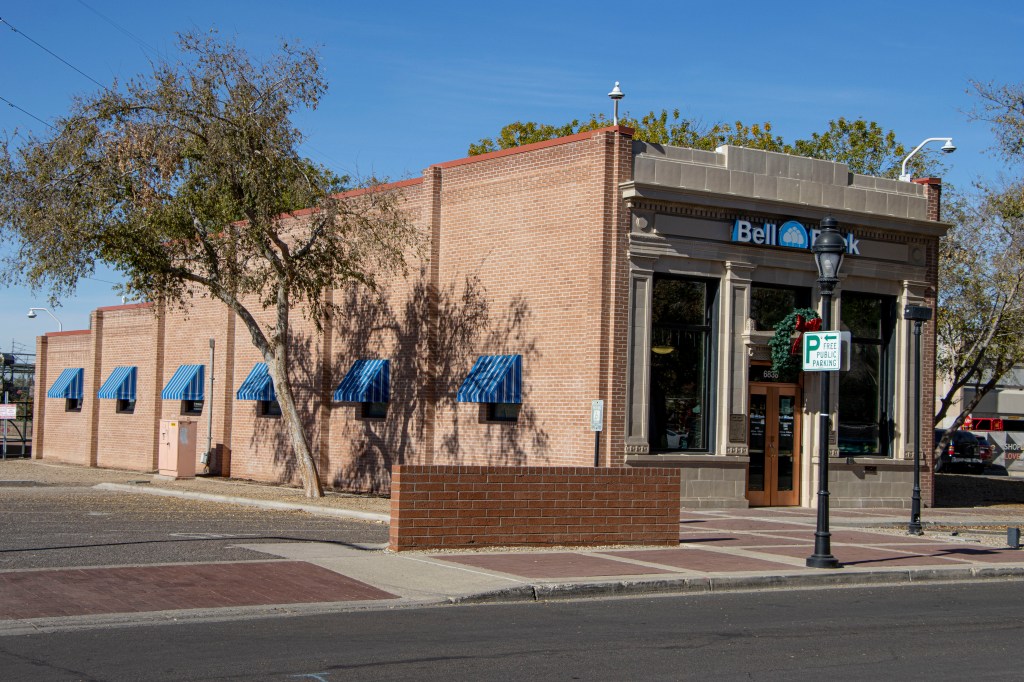
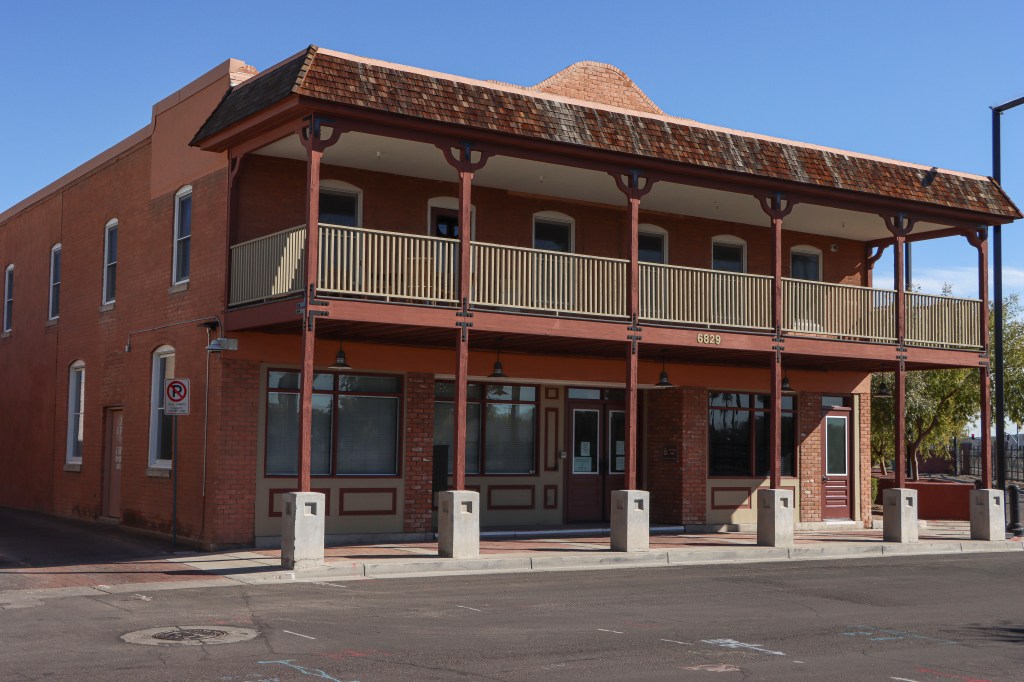
     This project begins with Glendale’s historic landmarks, homes and churches that tell stories of the city’s early settlers. These structures, with their intricate brickworks and timeless designs, reflect the early craftsmanship and character of the past times. Moving through time, mid-century architecture emerges, showcasing the City’s growth and adaption to the 20 Century. These buildings serve as a bridge. the blending historical charm with the modern era.

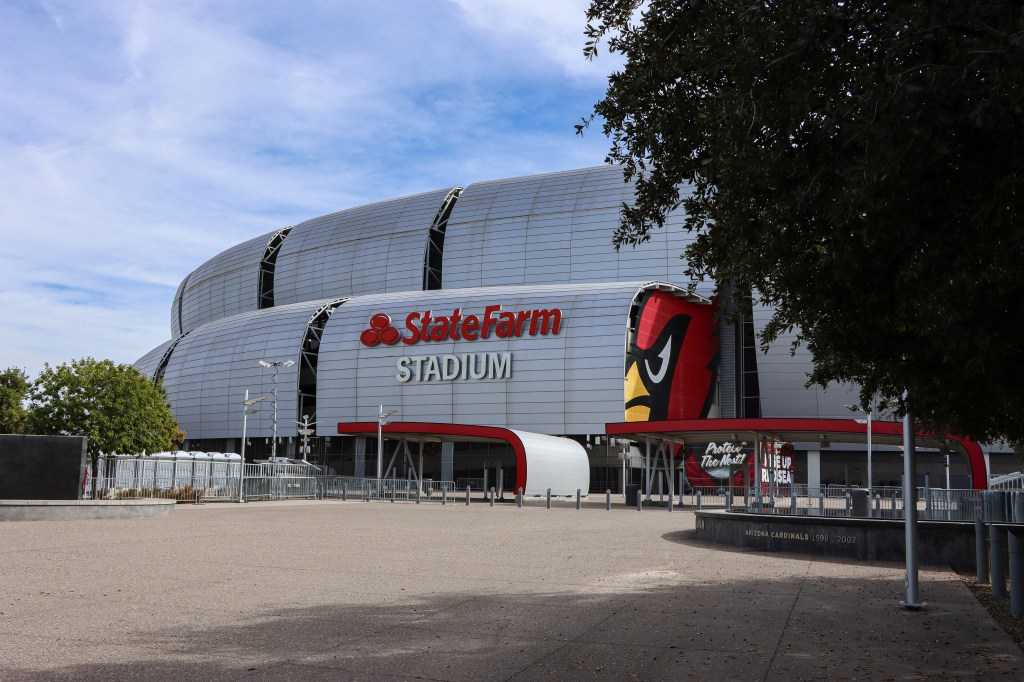
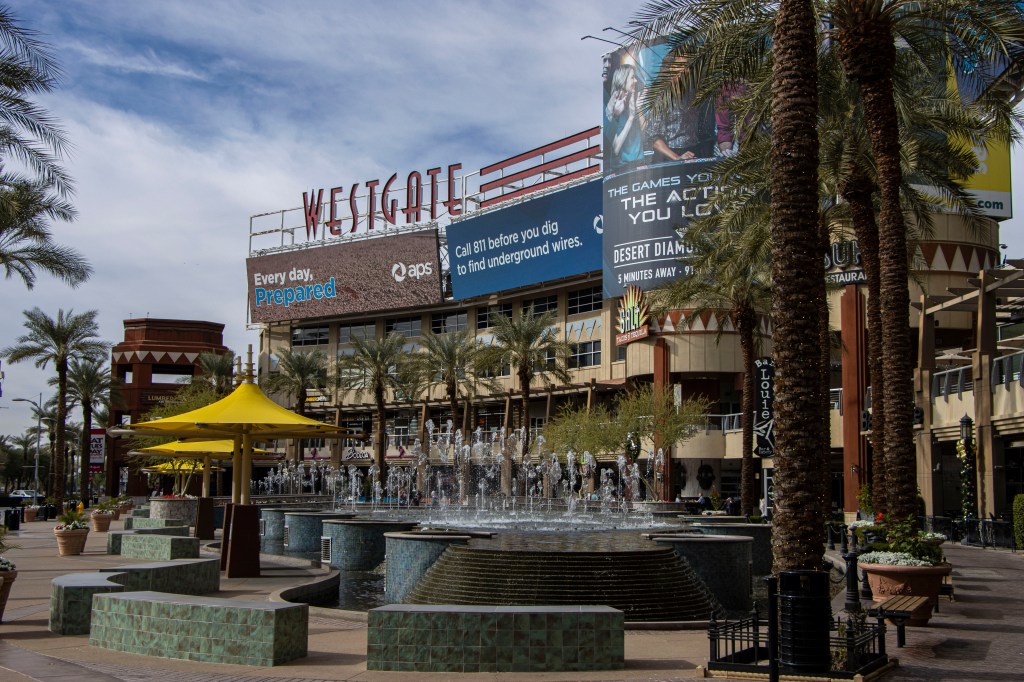
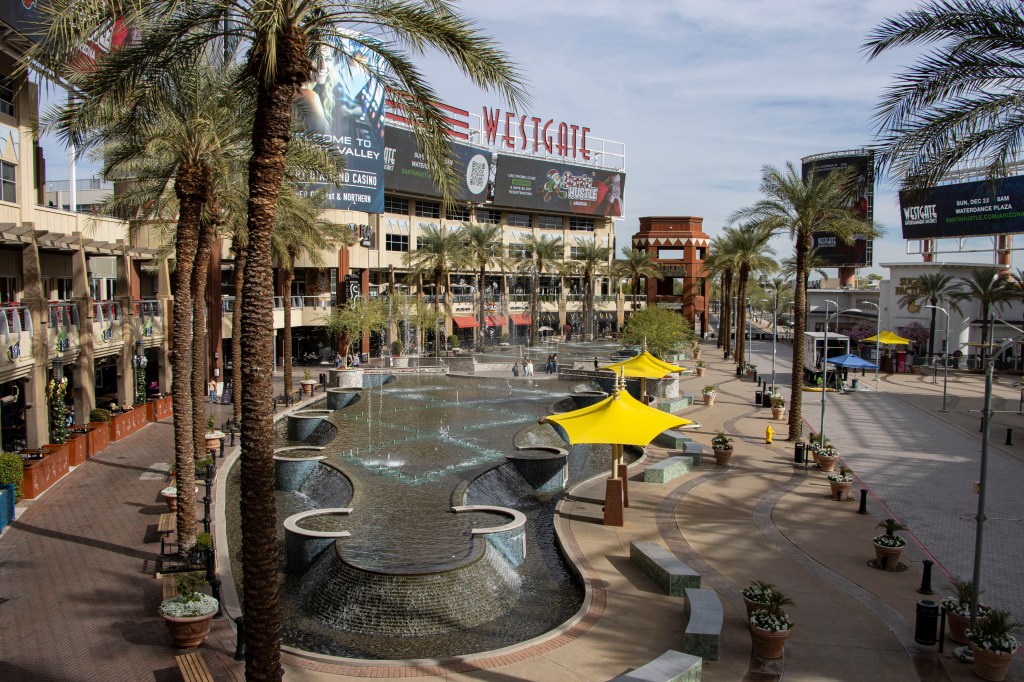
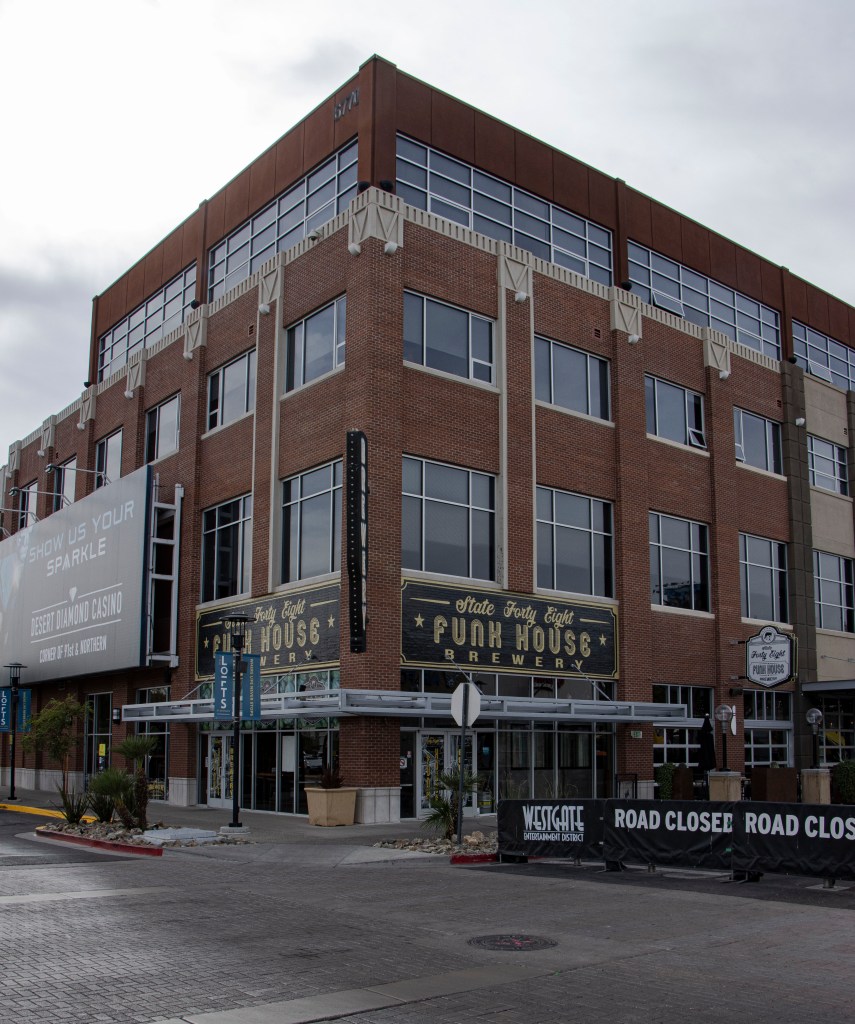
     The series will culminate in Glendale’s modern landmarks, such as the State Farm Stadium and Westgate Entertainment District. These contemporary structures symbolize Glendale’s position as a regional hub for sports, entertainment, and commerce. The sleek lines and scale of these buildings stand in a very stark contrast to the simplicity of the earlier designs, illustrating the city’s timely transformation.

    I attempted to capture each photograph carefully to emphasize the unique qualities of the structures, textures, lines, and light. To capture these required not only the necessary skill but also a historical understanding and cultural importance of the sites.

     Hopefully, through this project I was able to showcase how the City’s architecture reflects its identity, a city rooted in history yet constantly evolving. My hope is that they see more than just buildings, they will see that spirit of the community that continues to grow, adapt, and thrive while honoring the past.

    Mainstree Ranch

    United Methodist Church

    Sahuaro Ranch

    Old Historical Glendale

    Westgate, AZ

    I ended up with an A. However, I appreciate or input. I welcome it. I used a Canon Eos 90D and 10-135 MM lens. It was a 6-week project and will expand on each of these locations in later blogs. I am trying to make my Blogs more diverse with an array of multiple interests.

  • Navajo Code talker passes away

    John Kinsel Sr (1917-2024)

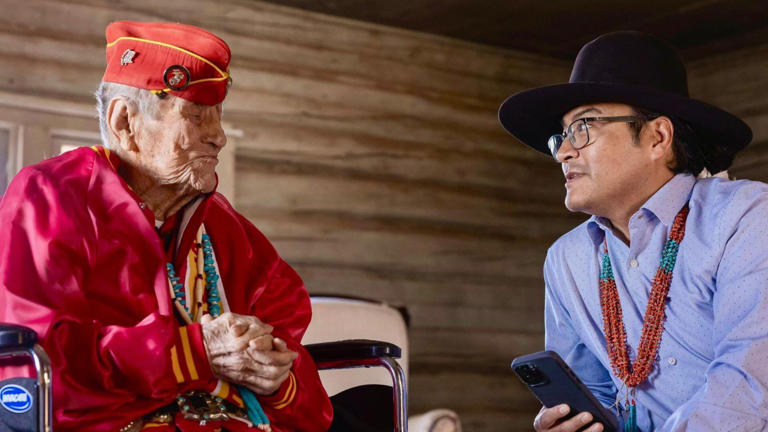
    One of the last “Navajo Code Talkers” passed away this weekend. John Kinsel who was listed at 107 passed away.

    Kinsel was born in Cove. Which was located near Lukachukai, Arizona, on the Navajo reservation. He enlisted in the Marines in 1942. During World War II. Along with hundreds of Navajo serving, Kinsel was brought in as a “Code Talker”. Dispatched through the regions to transmit important messages and information using their written language as code. They would send thousands of messages without error to several locations throughout the Pacific between 1942-1945. He served in the serving with the 9th Marine Regiment and the 3rd Marine Division during the Battle of Iwo Jima.

    His and his fellow Code talkers were honored in 1982 by Pres. Reagan when the “National Code Talkers day was established along with the Aug 14th holiday honoring all tribes that were part of the war effort.

    Below I posted a link of an interview that he gave in 2019 and it is now in the Library of Congress. He offers his account of his actions, and what he did when the war was over. Quite an interesting interview from a remarkable man that lived long to see his efforts and contributions appreciated.

    John Kinsel, Sr. – Navajo Code Talkers: A Guide to First-Person Narratives in the Veterans History Project – Research Guides at Library of Congress (loc.gov)